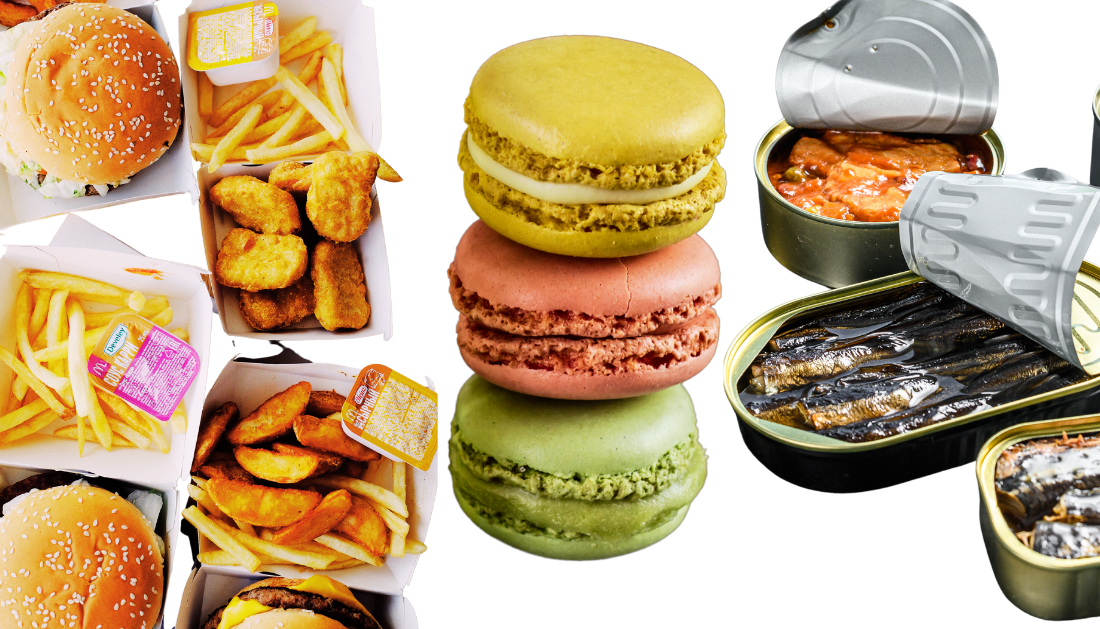
Ultraprocessed Foods Dominate U.S. Diets

A study by the Johns Hopkins Bloomberg School of Public Health reveals that more than half of calories consumed at home by American adults come from ultraprocessed foods. These include items like chips, prepackaged meals, and sugary snacks, containing additives such as artificial flavors, emulsifiers, and sweeteners, which offer little nutritional value.
Using data from over 34,000 participants in the National Health and Nutrition Examination Survey (NHANES) from 2003 to 2018, researchers found that calories from ultraprocessed foods consumed at home rose from 51% to 54% over the study period. While trends varied slightly by demographics, minimally processed food intake dropped significantly, indicating a shift toward convenience-driven options.
Ultraprocessed foods are linked to obesity, cardiovascular disease, and colorectal cancer, highlighting the need for interventions to reduce their dominance in diets. The researchers noted a decline in at-home consumption of minimally processed foods—such as fresh vegetables, meat, and fish—attributed to the higher cost, longer preparation time, and reduced convenience compared to ultraprocessed alternatives.
Away-from-home ultraprocessed food consumption also increased, particularly among individuals with lower educational attainment, where rates rose nearly 8% over 15 years. These findings underscore the systemic challenges in promoting healthier eating habits both at home and in public dining contexts.
Julia Wolfson, PhD, the study’s lead author, emphasized the growing ubiquity of ultraprocessed foods in grocery stores and their ease of preparation as key contributors to dietary trends. She called for strategies such as clearer nutrition labeling and education campaigns to encourage healthier choices.
The study, published in the Journal of Nutrition, acknowledges potential limitations, including self-reporting biases and a pre-pandemic data timeframe, which may not account for recent shifts in eating habits. Despite these constraints, the findings underscore the urgent need for public health initiatives aimed at reducing reliance on ultraprocessed foods to combat diet-related chronic diseases.
More information: Wolfson, J. A., et al. (2024) Trends in Adults’ Intake of Un-processed/Minimally Processed, and Ultra-processed foods at Home and Away from Home in the United States from 2003–2018. The Journal of Nutrition. doi.org/10.1016/j.tjnut.2024.10.048.

 Gamma Oscillations Restored in Alzheimer’s Disease Mice
Key takeaways Researchers restored parvalbumin (PV).
 Coffee Consumption Linked to Lower Recurrent VTE Risk
Key points at a glance Study.
 Body Roundness Index Linked to Higher Heart Attack Risk
Key findings at a glance Study.
 Maternal Diet Fails to Reduce Infant Egg and Peanut Allergy
Key Points A large Australian randomized.
 Visual Impairment Linked to Higher Dementia Risk
Key findings at a glance A.
 Long-Acting HIV Treatment May Help Drug-Resistant Cases
Key Takeaways A UCSF study found.
 Night Shift Work Alters Key Circadian Gene Expression
A recent study published in Frontiers.
 Tirzepatide Weight Loss: Fat Mass and Muscle Findings
Key points Tirzepatide was associated with.
 Coffee and Gut Microbiome: Brewing and Metabolic Effects
Key Points Coffee contains caffeine, chlorogenic.
 Low-Dose Radiation Therapy Shows Promise in Early Knee OA
Key Points Low-dose radiation therapy was.
Leave a Comment