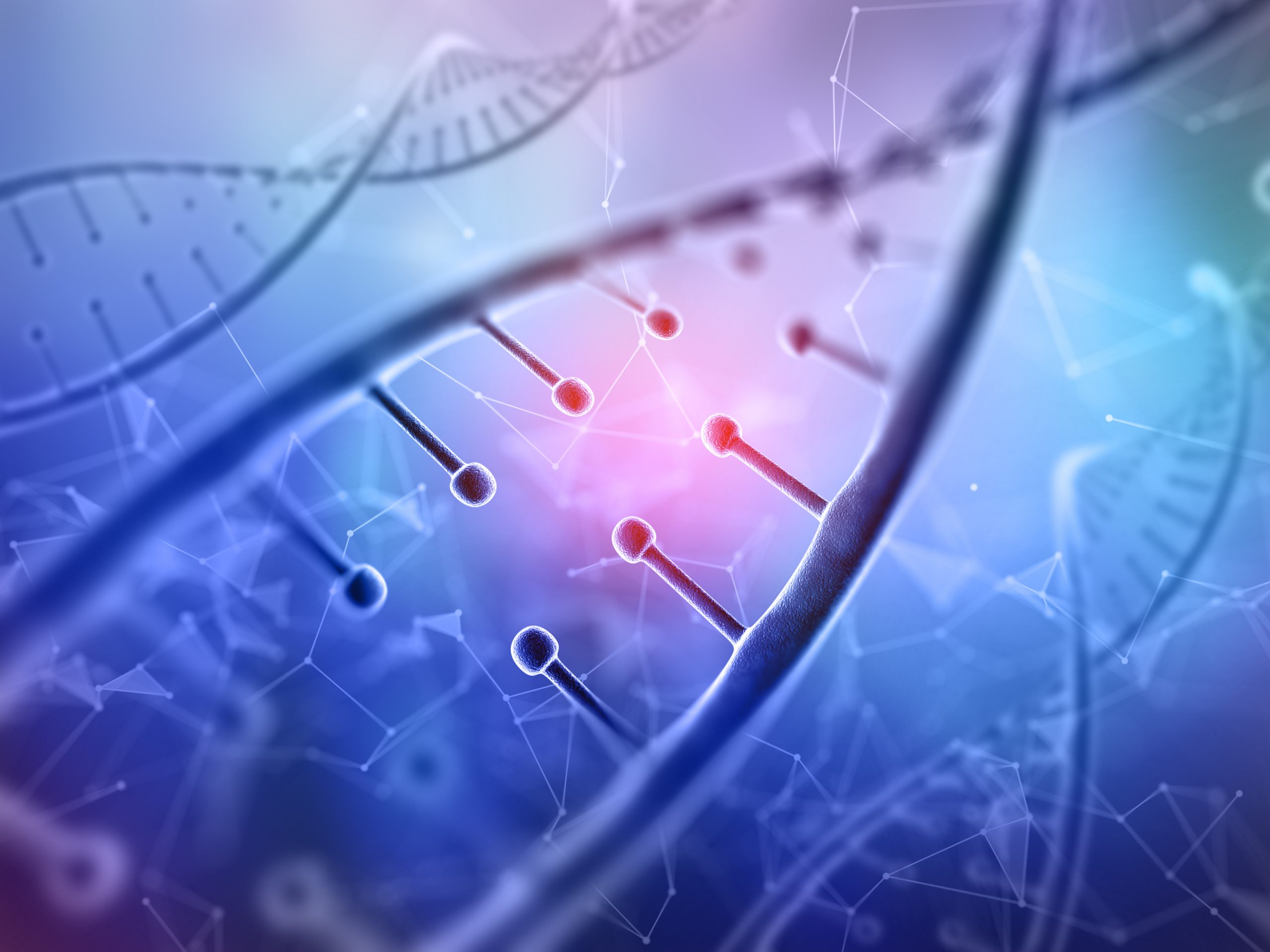
Image by kjpargeter on Freepik

A potential new immune checkpoint cell receptor discovered by researchers at the University of Colorado Anschutz Medical Campus could lead to treatments for diseases such as lung and bowel cancer, as well as autoimmune ailments such as IBD.
The study, published in Science Immunology, looks at a family of 13 killer cell immunoglobulin-like receptors (KIR), or proteins that send instructions for cells to follow. One of the 13 receptors is unique in that it has not been found on immune cells in peripheral blood. Researchers discovered that this intriguing receptor, known as KIR3DL3, is prevalent in the colon and lungs, implying that it may deliver signals specifically required by immune cells found in mucosal organs.
“We’re always searching for these cell surface receptors that can be such important targets for immunotherapies,” says Billy Palmer, Ph.D., University of Colorado Anschutz Medical Campus researcher and lead author. “This is one that is very specific to T cells in certain tissues. That’s something that may be able to be leveraged medicinally, opening the door for potential new therapies.”
Researchers discovered the tissue distribution of the elusive KIR3DL3 cell receptor by examining public RNA sequencing databases for a sequence of nucleotides peculiar to KIR3DL3. They partnered with lab groups in the United Kingdom that generated a KIR3DL3-specific antibody and colleagues from the University of Colorado School of Medicine who supplied the tissues after generating a limited list of possible tissues where KIR3DL3 could be expressed. The researchers used this antibody to confirm that KIR3DL3 protein expression was infrequent in peripheral blood and more common in the gut.
The researchers used flow cytometry and single cell RNA sequencing to evaluate the functional properties of KIR3DL3-expressing cells. These methods found KIR3DL3 expression in a distinct group of T cell receptor with characteristics indicating recent activation. They discovered that when KIR3DL3 is activated by its binding partner, HHLA2, it conveys a signal that can decrease immune responses in a series of functional assays.
“KIR3DL3 marks a unique cell population, and assessing its role is a very exciting discovery—we now have a new tool at our disposal” says Paul Norman, Ph.D., professor in the CU Anschutz Department of Biomedical Informatics and a senior author of the study. Whenever a unique cell population is discovered, we want to know how these cells affect disease. Can we further our understanding, and design new therapies or treatments with this knowledge? Our findings present the opportunity to see how best we can utilize this receptor; work that is ongoing in the lab.”

 Gamma Oscillations Restored in Alzheimer’s Disease Mice
Key takeaways Researchers restored parvalbumin (PV).
 Coffee Consumption Linked to Lower Recurrent VTE Risk
Key points at a glance Study.
 Body Roundness Index Linked to Higher Heart Attack Risk
Key findings at a glance Study.
 Maternal Diet Fails to Reduce Infant Egg and Peanut Allergy
Key Points A large Australian randomized.
 Visual Impairment Linked to Higher Dementia Risk
Key findings at a glance A.
 Long-Acting HIV Treatment May Help Drug-Resistant Cases
Key Takeaways A UCSF study found.
 Night Shift Work Alters Key Circadian Gene Expression
A recent study published in Frontiers.
 Tirzepatide Weight Loss: Fat Mass and Muscle Findings
Key points Tirzepatide was associated with.
 Coffee and Gut Microbiome: Brewing and Metabolic Effects
Key Points Coffee contains caffeine, chlorogenic.
 Low-Dose Radiation Therapy Shows Promise in Early Knee OA
Key Points Low-dose radiation therapy was.
Leave a Comment