
Alzheimer’s Disease Risk Linked to Brain Vascular Health

A growing body of evidence suggests that vascular health and cerebral oxygen regulation may be integral to Alzheimer’s disease (AD) pathophysiology. A new study from the Mark and Mary Stevens Neuroimaging and Informatics Institute at the Keck School of Medicine of USC adds weight to this perspective.
Published in Alzheimer’s & Dementia, the study demonstrates that subtle disruptions in brain blood flow and oxygen delivery are associated with hallmark AD-related brain changes, even before pronounced cognitive symptoms appear.
Researchers evaluated older adults with and without cognitive impairment using two resting-state, noninvasive tools:
Advanced mathematical modeling translated these signals into vascular responsiveness indicators, reflecting how effectively the brain adapts blood flow and oxygen delivery to natural fluctuations in blood pressure and carbon dioxide levels.
Higher vascular indicator values, closer to those seen in healthy aging, were associated with:
Participants with mild cognitive impairment or dementia showed poorer vascular profiles, positioning cerebrovascular dysfunction as part of the Alzheimer’s disease continuum.
Senior author Meredith N. Braskie, PhD, noted that these vascular measures align with established MRI and PET biomarkers, offering complementary insights without radiation, contrast agents, or patient task demands.
From a clinical standpoint, these methods are:
Arthur W. Toga, PhD, emphasized that Alzheimer’s disease involves meaningful vascular contributions, not solely amyloid and tau pathology, an important consideration for preventive strategies.
While the study is cross-sectional and does not establish causality, longitudinal studies are underway to determine whether declining vascular indicators can predict future cognitive decline or therapeutic response.
Tracking cerebrovascular signals over time may help clinicians identify high-risk individuals earlier and evaluate whether improving vascular health can mitigate Alzheimer’s-related brain changes.

 Prenatal Smoking Raises Risk of Child Mental Disorders
Key Summary Prenatal smoking is associated.
 Stroke Risk Linked to Low Birthweight, Not Adult BMI
Key Points Low birthweight is associated.
 Type 2 Diabetes Risk Rising in Genetically Susceptible
Quick Summary Rising type 2 diabetes.
 Female Microbiome Shaped by Diet, Stress, Unhealthy Lifestyle
Quick Summary Lifestyle factors significantly influence.
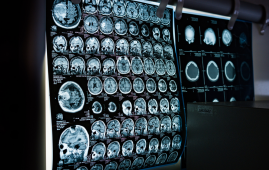 Stroke Rehabilitation: Early High-Intensity Therapy Findings
Key Highlights High-intensity therapy within 2.
 TRPM8 Cold Sensation Mechanism Explained for Pain Care
Quick Summary TRPM8 ion channel converts.
 Hypertensive Disorders of Pregnancy: Role of Daily Activity
Key Points Summary Limiting sedentary time.
 Climate Change Drives Dengue Outbreaks Globally
Key Takeaways Extreme weather significantly increases.
 PFK Enzyme Dual Role in Metabolism and Cell Cycle
Key Highlights Phosphofructokinase (PFK Enzyme) shows.
 Stem Cell Therapies Course for Parkinson’s Disease Clinicians
Key Summary The International Society for.
Leave a Comment