

Falls are a common problem for people living with Parkinson’s. A recent review estimated that some 60% of all people living with PD have experienced at least one fall. These can lead to injury and hospitalisation, as well as reduced mobility, quality of life, and life expectancy.
Accurate fall risk assessment is crucial for effective care planning for Parkinson’s Disease patients, but traditional assessments are often subjective and time consuming. This new study set out to see whether data gathered by wearable sensors during a brief test in clinic can predict the risk of falling in people with Parkinson’s over a period of five years. This could facilitate more effective and longer-term care planning.
The team from the NeuroMetrology lab at the Nuffield Department of Clinical Neurosciences collected data from 104 people with Parkinson’s Disease, without prior falls, using six wearable sensors. Patients were asked to carry out tasks during short data collection sessions, including a two-minute walk and a 30-second postural sway task. Alongside this the team used several commonly used questionnaires and clinical scales to assess disease severity and the patient’s own perception of their decline in mobility.
Machine learning methods were used to analyse the sensor measurements taken from participants at their first study visit, together with follow up data taken at 24 and 60 months. From this data they were able to identify the key features that distinguish people with Parkinson’s with and without risk of falling. The analysis revealed significant differences in features related to walking and posture between those who went on to have falls and those who did not.

more recommended stories
 Gamma Oscillations Restored in Alzheimer’s Disease Mice
Key takeaways Researchers restored parvalbumin (PV).
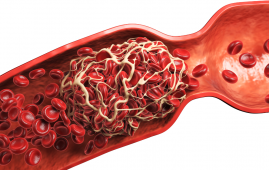 Coffee Consumption Linked to Lower Recurrent VTE Risk
Key points at a glance Study.
 Body Roundness Index Linked to Higher Heart Attack Risk
Key findings at a glance Study.
 Maternal Diet Fails to Reduce Infant Egg and Peanut Allergy
Key Points A large Australian randomized.
 Visual Impairment Linked to Higher Dementia Risk
Key findings at a glance A.
 Long-Acting HIV Treatment May Help Drug-Resistant Cases
Key Takeaways A UCSF study found.
 Night Shift Work Alters Key Circadian Gene Expression
A recent study published in Frontiers.
 Tirzepatide Weight Loss: Fat Mass and Muscle Findings
Key points Tirzepatide was associated with.
 Coffee and Gut Microbiome: Brewing and Metabolic Effects
Key Points Coffee contains caffeine, chlorogenic.
 Low-Dose Radiation Therapy Shows Promise in Early Knee OA
Key Points Low-dose radiation therapy was.
Leave a Comment