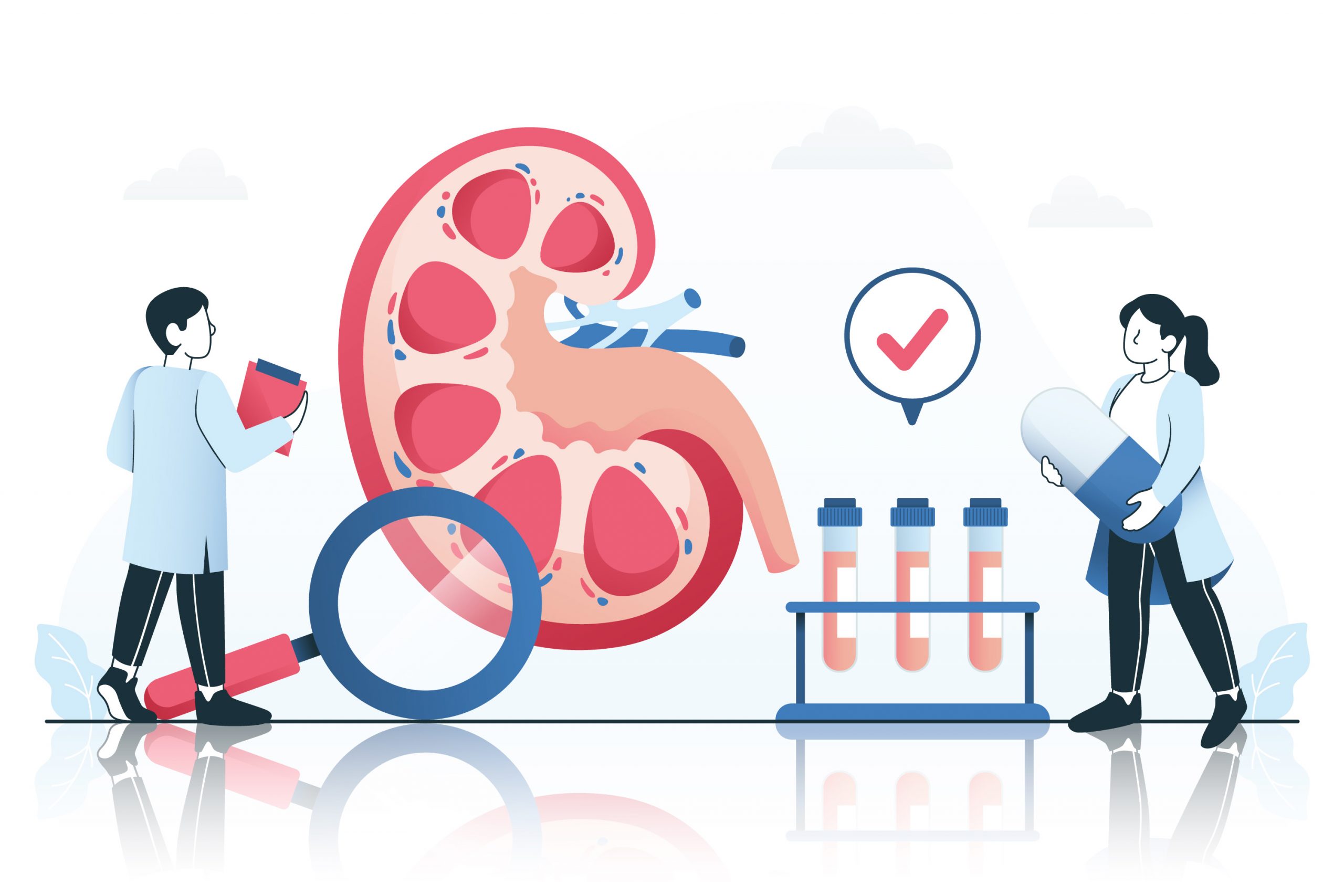
Image by Freepik

This month, South Korea will start testing the sewage produced by its main cities and towns on a weekly basis to monitor the spread of COVID-19 and recognize potential waves. According to representatives of the Korea Disease Control and Prevention Agency, wastewater monitoring may offer a less expensive and longer-lasting pandemic response tool. According to them, it might also help with the early discovery of outbreaks of other diseases like the flu, norovirus, or bacteria that are resistant to certain medications.
Health professionals will test sewage samples obtained from 64 wastewater facilities across the country at least once a week, and they will routinely publish analyses of the test findings on their website.
Testing water coming from faucets, toilets, and bathtubs has been proven useful, according to KDCA, which said recent trial runs with cities and provincial governments revealed that the levels of pathogens found in sewage samples largely matched infection patterns in those areas. The United States has also implemented tests of a similar nature.
During the early stages of the pandemic, South Korea had maintained a strict COVID-19 response based on aggressive testing, contact tracing, and quarantines; however, since last year, most of its virus controls have been relaxed as the omicron variant’s surge made those containment strategies useless.
Government officials are also eager to boost tourism and revive the nation’s crippled service industry. Additionally, their plans for wastewater testing are an expansion of their COVID-19 strategy of “bending but not breaking,” which permits the coronavirus to proliferate among the general population while focusing medical resources to safeguard priority populations.
Wastewater surveillance, according to Lee Sang-won, KDCA’s head of epidemiologic research, could aid the nation’s transition to a more cost-effective virus monitoring regime.
Lee characterized the existing COVID-19 tracking system in South Korea as expensive and time-consuming because it requires hospitals to report all positive test results. He said that in the future, health authorities are thinking about switching to “sample-based surveillance,” similar to what they do for influenza monitoring, in which only a select group of designated hospitals report their cases.
“When that (transition) comes, we believe wastewater surveillance will function as a very effective tool” for providing complementary information on virus trends, Lee said during a briefing. “Another strength is that we can monitor various pathogens other than COVID-19.”
While coronaviruses causing COVID-19 don’t likely survive in water for long, Lee said the country’s genetic testing methods would also be able to detect fragments of dead viruses.

 Tirzepatide Weight Loss: Fat Mass and Muscle Findings
Key points Tirzepatide was associated with.
 Coffee and Gut Microbiome: Brewing and Metabolic Effects
Key Points Coffee contains caffeine, chlorogenic.
 Low-Dose Radiation Therapy Shows Promise in Early Knee OA
Key Points Low-dose radiation therapy was.
 Oral Hormone Replacement Therapy Raises Blood Clot Risk
Key Points Oral hormone replacement therapy.
 GLP-1 Health Information: Quality, Completeness, & Engagement
Key Points A study assessed 128.
 DNA Damage Response May Drive Biological Aging
Key Points Chronic DNA damage response.
 Maternal Diet Fails to Reduce Infant Egg and Peanut Allergy
Key Points A large Australian randomized.
 Psychedelic-Assisted Psychotherapy: Music in Treatment
Key Takeaways Psychedelic-assisted psychotherapy combines psychedelic.
 Cardiovascular Frailty Links Heart Health and Aging
Key Points Cardiovascular frailty may connect.
 Laser Blended Vision: Simple Test Predicts Success
Key Points A simple phoropter-based test.
Leave a Comment