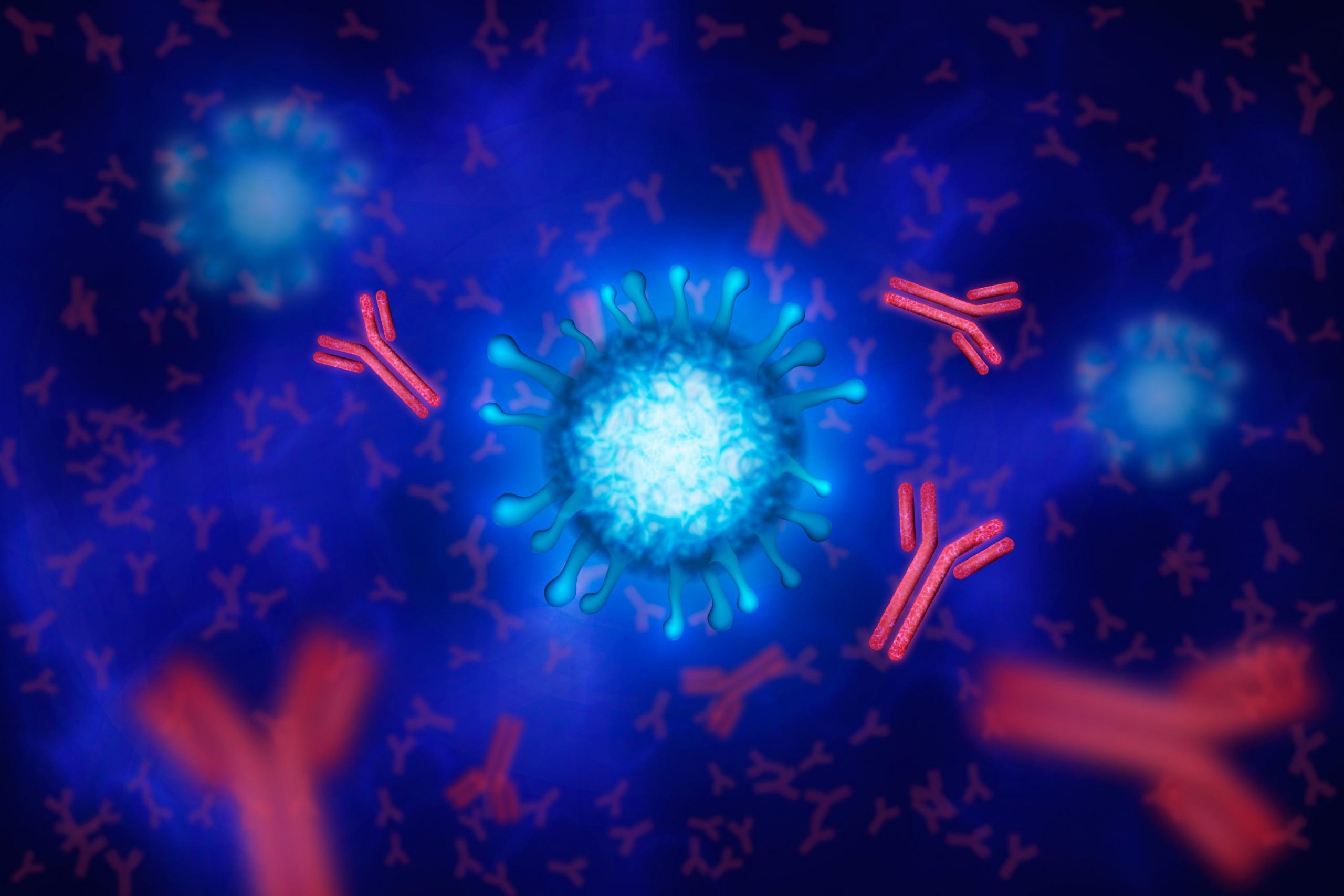
Image by Freepik

According to a recent study published in the Journal of Clinical Investigation, Northwestern Medicine researchers discovered a novel mechanism that regulates immune cell recruitment into tissue during inflammation, which could be targeted to treat various inflammatory diseases and conditions. Neutrophils are specialized immune cells known as effector cells that circulate in the bloodstream and, in response to an insult, migrate from blood vessels into surrounding tissues, where their presence can increase inflammation and tissue damage.
While neutrophil migration and signaling have been examined earlier, the mechanisms that trigger this immune cell recruitment response are unknown.
“That’s what we really tried to focus on is what cues will initiate this recruitment cascade,” said Ronen Sumagin, Ph.D., associate professor of Pathology in the Division of Experimental Pathology and senior author of the study.
Neutrophils must connect to endothelial cells that line the luminal side of blood vessel walls in order to travel outside of the bloodstream and trigger an immune cell response. Sumagin’s team set out to discover which processes cause these sticky contacts in the current work.
“We’ve known for a long time that neutrophils do not cross the vessel wall everywhere; it’s not random. There are specific locations that are better equipped to support neutrophil crossing of the vessel wall, and what makes this so is actually really interesting. One neutrophil will go and then the second and third one will follow, and they really stick to these locations that we and others call ‘hotspots.’ That’s where they like to migrate, meaning these spots, for whatever reason, are better suited to accommodate recruitment than others,” Sumagin said.
The researchers discovered that macrophages (specialized white blood cells) are recruited to endothelial cells, which then activate specific mechanisms that tell neutrophils which locations, or “hotspots,” they can attach to on blood vessels using real-time intravital microscopy in inflamed intestinal tissue from mice.
During this recruiting process, macrophages will contact the blood artery wall and release an inflammatory cytokine called TNF-alpha, which binds to a TNF receptor on endothelial cells called TNFR2. This interaction then causes the production of adhesion molecules like ICAM-1 on the surface of endothelial cells, resulting in the formation of a hotspot.
“This combination of a macrophage touch and endothelial cell activation and an induction of ICAM creates a hotspot for neutrophils to then migrate… so we think that macrophages drive this hotspot formation and, in a way, serve as gate keepers of neutrophil migration,” Sumagin said.
According to Sumagin, these newly discovered processes could be a potential target for treating various inflammation-driven disorders by controlling the neutrophil recruitment process.
“We can now try to target macrophage-endothelial cell communication to either prevent or promote the formation of those hotspots,” Sumagin said.

 Gamma Oscillations Restored in Alzheimer’s Disease Mice
Key takeaways Researchers restored parvalbumin (PV).
 Coffee Consumption Linked to Lower Recurrent VTE Risk
Key points at a glance Study.
 Body Roundness Index Linked to Higher Heart Attack Risk
Key findings at a glance Study.
 Maternal Diet Fails to Reduce Infant Egg and Peanut Allergy
Key Points A large Australian randomized.
 Visual Impairment Linked to Higher Dementia Risk
Key findings at a glance A.
 Long-Acting HIV Treatment May Help Drug-Resistant Cases
Key Takeaways A UCSF study found.
 Night Shift Work Alters Key Circadian Gene Expression
A recent study published in Frontiers.
 Tirzepatide Weight Loss: Fat Mass and Muscle Findings
Key points Tirzepatide was associated with.
 Coffee and Gut Microbiome: Brewing and Metabolic Effects
Key Points Coffee contains caffeine, chlorogenic.
 Low-Dose Radiation Therapy Shows Promise in Early Knee OA
Key Points Low-dose radiation therapy was.
Leave a Comment