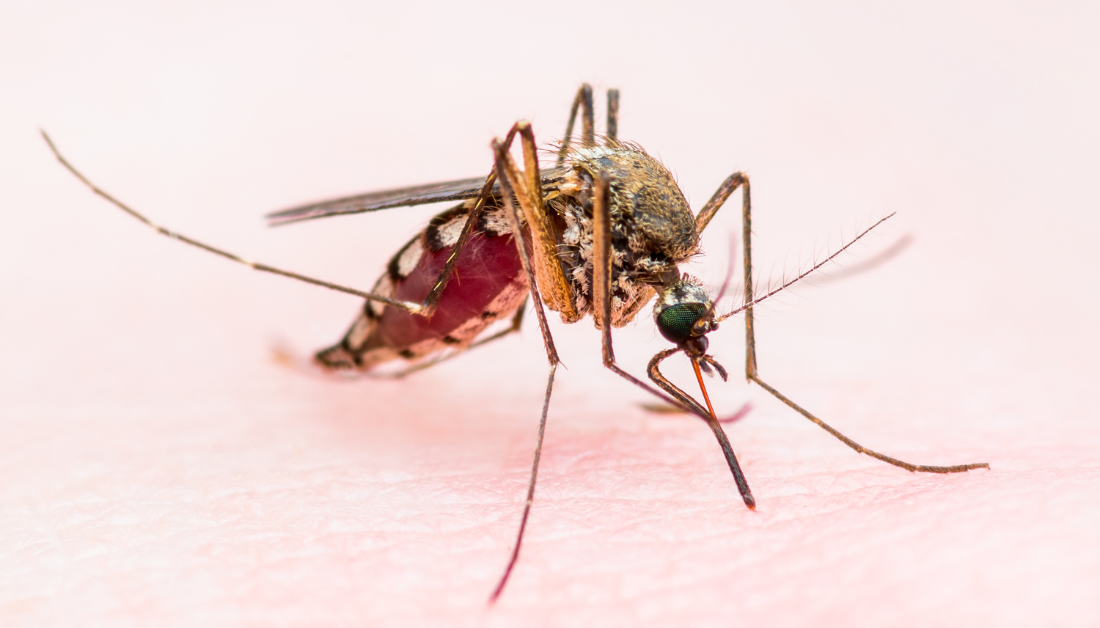
Study: DNA-binding protein PfAP2-P regulates parasite pathogenesis during malaria parasite blood stages

The identification of a malaria protein that aids parasite growth inside red blood cells and plays an important regulatory function in the parasite’s immune evasion strategies could pave the path for novel vaccines or therapies to combat the fatal infection.
The protein, known as PfAP2-P, was previously discovered in a KAUST-led study that looked into malarial genes and proteins with rhythmic 24-hour expression patterns – an adaptation that allows the parasite to synchronize its activities with those of the host during the human blood stage of its developmental cycle.
PfAP2-P expression appears to peak around 16 hours after red blood cell invasion and then again around 24 hours later. These peaks correspond to the activation of genes associated with two critical biological processes. The first occurs when malaria parasites coat the red blood cells they infect with various combinations of sticky proteins in order to avoid immune detection, and the second occurs when groups of young parasites prepare to escape one red blood cell and infiltrate additional uninfected red blood cells.
This observation piqued the interest of Amit Kumar Subudhi, a research scientist at Arnab Pain’s lab. He intended to discover the role of PfAP2-P with Pain and partners from other KAUST labs.
They demonstrated that PfAP2-P is a critical regulator of numerous key biological processes in the parasites using a series of molecular tests. The protein functions as a regulator of genes involved in immune evasion as well as a suppressor of genes involved in the parasite’s transition to its sexual stage of development.
The researchers also discovered a number of unique proteins that are either directly or indirectly controlled by PfAP2-P, some of which could be targets for future therapeutic development. They also identified that PfAP2-P functions as an activator of the proteins essential for the parasite to depart infected red blood cells and infiltrate new ones.
The most interesting finding came from research on mutant malaria parasites that lacked a functional form of PfAP2-P. These parasites were unable to govern the coordinated expression of highly changeable sticky proteins on the surface of red blood cells, which were involved in evading immune detection.
Instead of playing “hide and seek” with the host immune recognition system, red cells infected with these PfAP2-P-defective parasites displayed the entire array of sticky surface proteins. As a result, the PfAP2-P-deficient parasites were easily recognized by malaria-destroying antibodies, which could help teach the body to fight typically occurring malaria infections.
The KAUST researchers are currently investigating the possibility of using these mutant parasites as vaccine-like “immune triggers” to prevent natural malaria infections in humans.
For more information: DNA-binding protein PfAP2-P regulates parasite pathogenesis during malaria parasite blood stages. Nature Microbiology. doi.org/10.1038/s41564-023-01497-6.

 Oral Hormone Replacement Therapy Raises Blood Clot Risk
Key Points Oral hormone replacement therapy.
 GLP-1 Health Information: Quality, Completeness, & Engagement
Key Points A study assessed 128.
 DNA Damage Response May Drive Biological Aging
Key Points Chronic DNA damage response.
 Maternal Diet Fails to Reduce Infant Egg and Peanut Allergy
Key Points A large Australian randomized.
 Psychedelic-Assisted Psychotherapy: Music in Treatment
Key Takeaways Psychedelic-assisted psychotherapy combines psychedelic.
 Cardiovascular Frailty Links Heart Health and Aging
Key Points Cardiovascular frailty may connect.
 Laser Blended Vision: Simple Test Predicts Success
Key Points A simple phoropter-based test.
 Pink Noise Boosts Brain Waste Clearance During Sleep
Key Points Pink noise delivered during.
 Psilocybin Microdosing Research Raises Key Questions
Key points: Psilocybin microdosing research shows.
 Maternal Illness Linked to Epigenetic Fetal Brain Changes
Maternal illness during pregnancy may influence.
Leave a Comment