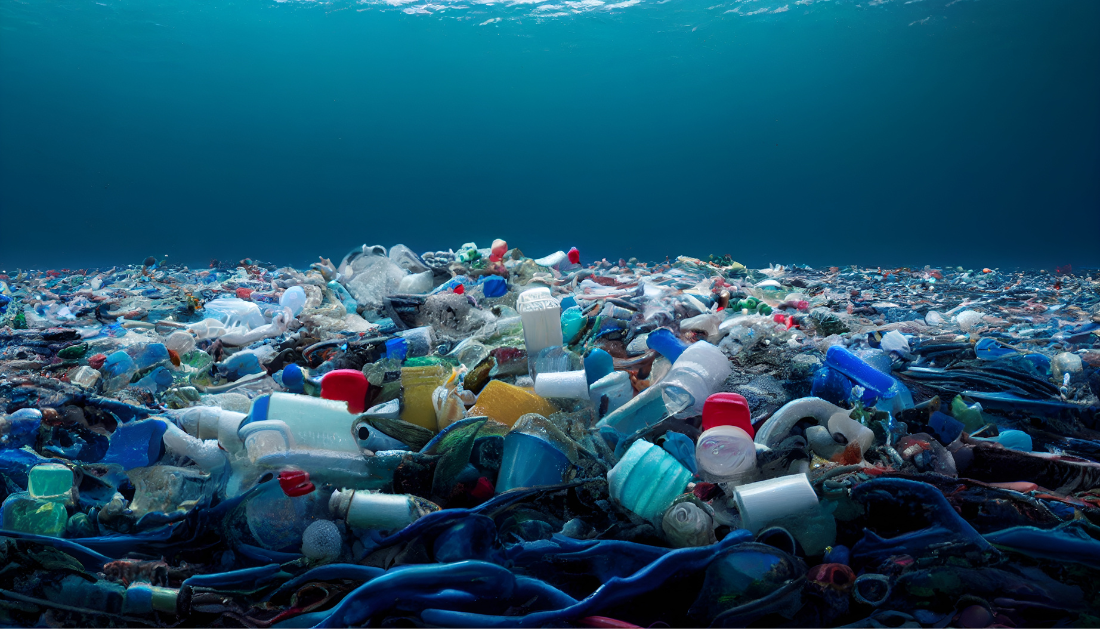
Nanoplastics in Brain Tissue: Emerging Evidence

Nanoplastics in brain tissue have emerged as a growing scientific concern as plastic production exceeds 400 million tons annually worldwide. In a recent viewpoint published in the Journal of Clinical Investigation, researchers synthesized emerging human, animal, and molecular evidence suggesting that ultra-small plastic particles may influence neurological disease risk.
Nanoplastics, defined as plastic fragments between 10 nanometers and 1 micrometer, have now been identified in human blood, cardiovascular plaques, and brain tissue. Their detection in neurologically affected tissues has raised urgent questions about whether these materials contribute to neurodegenerative disease processes or simply accumulate as bystanders of modern environmental exposure.
Unlike larger microplastics, nanoplastics possess irregular shapes, fractured surfaces, and lipid-like properties, increasing their biological accessibility. These characteristics may allow them to cross biological barriers, including the blood–brain barrier, although the exact pathways remain unknown.
Experimental findings suggest that nanoplastics may interact with proteins such as α-synuclein, amyloid-β, and tau, all of which are central to neurodegenerative pathology. Electrostatic and hydrophobic interactions may promote protein misfolding and aggregation, hallmarks of conditions such as Alzheimer’s disease and Parkinson’s disease. Brain tissue samples from individuals with Alzheimer’s disease and vascular dementia have shown higher plastic concentrations than neurologically normal controls, though direct causation has not been established.
Detection remains technically challenging. No single analytical method can simultaneously identify particle size, polymer type, concentration, and chemical additives. Despite advances such as Raman-based microscopy and mass spectrometry, variability across studies limits comparability.
From a clinical and public health perspective, nanoplastics represent a potentially modifiable environmental exposure. Inhalation of indoor air particles and ingestion through food, bottled water, and food packaging are considered likely exposure routes. Recent analyses have identified tens of thousands of plastic particles per liter in bottled water, making exposure relevant to everyday patient behaviors.
However, no validated strategies exist to reduce accumulation, and commercial “nanoplastic detox” claims lack evidence. Researchers emphasize that particle characteristics, size, surface charge, polymer composition, and additive release may be more relevant than absolute concentration.
Critical research priorities include clarifying how nanoplastics enter and persist in brain tissue, identifying high-risk polymers, and developing standardized detection protocols. Until these gaps are addressed, definitive conclusions about neurological risk remain premature.
As environmental plastic contamination continues to rise, understanding its neurological implications is essential for clinicians, researchers, and nurses engaged in preventive and translational medicine.

 Epilepsy Drugs May Interact With Hormonal Contraceptives
Key points: Nearly one-third of people.
 Night Shift Work Alters Key Circadian Gene Expression
A recent study published in Frontiers.
 Tirzepatide Weight Loss: Fat Mass and Muscle Findings
Key points Tirzepatide was associated with.
 Coffee and Gut Microbiome: Brewing and Metabolic Effects
Key Points Coffee contains caffeine, chlorogenic.
 Low-Dose Radiation Therapy Shows Promise in Early Knee OA
Key Points Low-dose radiation therapy was.
 Oral Hormone Replacement Therapy Raises Blood Clot Risk
Key Points Oral hormone replacement therapy.
 GLP-1 Health Information: Quality, Completeness, & Engagement
Key Points A study assessed 128.
 DNA Damage Response May Drive Biological Aging
Key Points Chronic DNA damage response.
 Dietary Polyphenol Intake Associated With Lower MCI Odds
Key Points Older adults without mild.
 Maternal Diet Fails to Reduce Infant Egg and Peanut Allergy
Key Points A large Australian randomized.
Leave a Comment