
New Influenza Vulnerability Index Reveals Flu Risk Hotspots

Understanding the drivers of influenza-like illness (ILI) outbreaks is critical for clinicians, epidemiologists, and public health planners. Researchers at Washington University in St. Louis have introduced a new Influenza Vulnerability Index, offering a more targeted method for identifying state-level risk patterns across the United States.
Published in PLOS Computational Biology, the model integrates social, economic, and health indicators to identify regional vulnerability to influenza-like illness. The findings provide a clearer picture of how demographic factors and healthcare access shape disease spread and population risk.
Traditional public health models assessing disease risk often rely heavily on clinical or surveillance data. However, the new index expands the scope by analyzing 39 socioeconomic and health indicators derived from census data.
Using machine learning algorithms, researchers examined complex relationships between factors such as migration trends, health insurance coverage, urban density, and age distribution. This approach captures the multidimensional drivers of infectious disease risk rather than isolating individual variables.
The index highlights how vulnerability arises from a combination of elements—including urbanization, healthcare accessibility, demographic composition, and economic disparities. According to the research team, every state exhibits a unique risk “fingerprint,” demonstrating that influenza susceptibility is shaped by local conditions rather than a single nationwide pattern.
For healthcare professionals and health systems, this insight supports better planning for seasonal influenza preparedness, targeted vaccination strategies, and population-specific risk mitigation.
The study identified several regions with elevated vulnerability to influenza-like illness, each influenced by different contributing factors.
For instance, the District of Columbia ranked among the highest-risk areas. Researchers attribute this to high population density, mobility patterns that facilitate viral transmission, longer commute times, and a significant proportion of uninsured foreign-born residents.
Meanwhile, states such as New Mexico and Arizona showed increased vulnerability linked to different demographics. In these regions, higher proportions of aging populations, female residents, and Hispanic communities, groups with increased risk for influenza complications, play a larger role.
Another example is Michigan, where researchers observed a dual-risk scenario. Urban centers present higher transmission potential, while rural areas face economic challenges and limited healthcare access, creating overlapping risk factors.
The Influenza Vulnerability Index offers policymakers and healthcare leaders a new analytical tool for epidemic preparedness and targeted public health interventions.
By identifying localized vulnerability hotspots, health authorities can prioritize resources such as vaccination campaigns, healthcare access programs, and community outreach efforts. In rural regions, expanding insurance coverage and healthcare connectivity may reduce risk, while urban areas may benefit from strategies addressing crowding and mobility.
Researchers believe the framework could eventually support broader infectious disease preparedness planning, providing a data-driven approach to strengthening public health responses before outbreaks escalate.

 AI Identifies Key Gene Driving Hematopoietic Stem Cell Aging
Key Points AI analysis identified Pbx1.
 Intravenous Iron Improves Recovery After Heart Surgery
Key points A large multicenter randomized.
 Childhood Epilepsy Linked to Lower Educational Achievement
Key Takeaways Childhood epilepsy was associated.
 Laser Treatment for Glioblastoma Shows Survival Benefit
Key Points A multicenter analysis of.
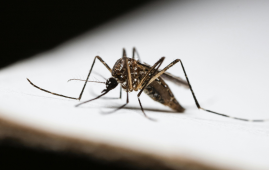 Malaria Vaccination Turns Mosquito Bites Into Immune Boosters
Key takeaways: WEHI researchers developed a.
 Inhaled Cannabis Linked to Fewer Premature Heartbeats
Key Points Habitual cannabis users had.
 Lead Exposure in Indoors and Contamination in Soil
Key Points Lead contamination in soil.
 Early-Life Stress Linked to Lasting Brain Epigenetic Changes
Key Points Early-life stress (ELS) increased.
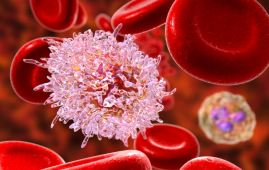 Autophagy Modulation in Cisplatin-Resistant Gastric Cancer
Key Takeaways Autophagy modulation is emerging.
 AI in Women’s Health May Reinforce Gender Bias, Study Warns
Key Takeaways Researchers caution that AI.
Leave a Comment