
New Endometriosis Screening Tool Targets Early Detection

Early recognition of endometriosis remains a persistent clinical challenge. Researchers from the University of Queensland have developed a 5-minute screening tool called the Simplified Adolescent Factors for Endometriosis (SAFE) score, designed to help clinicians quickly identify adolescents and young women at risk of the condition.
Endometriosis occurs when tissue similar to the uterine lining grows outside the uterus, often causing chronic pelvic pain, heavy menstrual bleeding, infertility, and reduced quality of life. Despite its prevalence, diagnosis frequently takes six to eight years, partly due to non-specific symptoms and normalization of menstrual pain.
The SAFE score introduces a rapid clinical screening method that may support earlier referral and intervention in primary care settings.
The SAFE score is a short questionnaire consisting of six targeted questions aimed at identifying symptoms and risk factors associated with endometriosis.
Patients are asked whether they:
Each response contributes to a point-based scoring system, allowing clinicians to estimate the likelihood that a patient may have endometriosis. Higher scores indicate a greater need for specialist evaluation or diagnostic imaging.
The tool was developed using data from more than 9,000 participants in the Australian Longitudinal Study on Women’s Health, enabling researchers to identify patterns and risk indicators associated with the disease.
Importantly, while the screening tool can be used in adults, it was specifically designed to detect risk factors in adolescents soon after the onset of menstruation, when symptoms may first appear.
Endometriosis affects up to 11% of women of reproductive age, yet diagnosis often occurs in the late twenties, frequently when patients begin seeking fertility care.
Delayed diagnosis may occur due to:
Currently, laparoscopy is commonly required to confirm diagnosis, although researchers and clinicians are working toward non-invasive diagnostic approaches such as ultrasound or MRI.
Early detection could significantly influence fertility planning and treatment strategies. Studies suggest that common fertility treatments like ovulation induction may be less effective in patients with endometriosis compared with assisted reproductive options such as IVF.
The research team plans to evaluate the SAFE score in general practice and pelvic pain clinics, while also exploring the feasibility of converting the questionnaire into a digital screening application.
With Endometriosis Awareness Month observed in March, the SAFE screening tool highlights the importance of improving early identification and clinical pathways for patients experiencing chronic pelvic pain.

 Night Shift Work Alters Key Circadian Gene Expression
A recent study published in Frontiers.
 Tirzepatide Weight Loss: Fat Mass and Muscle Findings
Key points Tirzepatide was associated with.
 Coffee and Gut Microbiome: Brewing and Metabolic Effects
Key Points Coffee contains caffeine, chlorogenic.
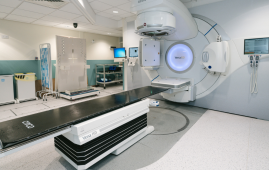 Low-Dose Radiation Therapy Shows Promise in Early Knee OA
Key Points Low-dose radiation therapy was.
 Oral Hormone Replacement Therapy Raises Blood Clot Risk
Key Points Oral hormone replacement therapy.
 GLP-1 Health Information: Quality, Completeness, & Engagement
Key Points A study assessed 128.
 DNA Damage Response May Drive Biological Aging
Key Points Chronic DNA damage response.
 Maternal Diet Fails to Reduce Infant Egg and Peanut Allergy
Key Points A large Australian randomized.
 Psychedelic-Assisted Psychotherapy: Music in Treatment
Key Takeaways Psychedelic-assisted psychotherapy combines psychedelic.
 Cardiovascular Frailty Links Heart Health and Aging
Key Points Cardiovascular frailty may connect.
Leave a Comment