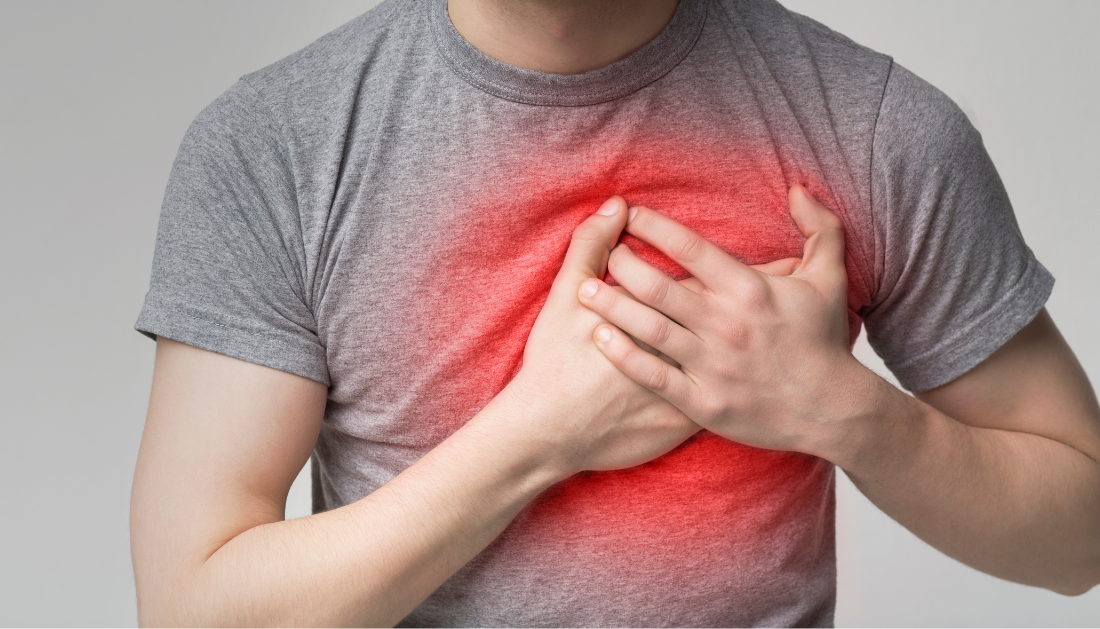
Heatwaves Above 38°C Increase Cardiovascular Risk in Middle-Aged Adults

A recent study published in the American Journal of Preventive Medicine highlights a critical connection between extreme climate events (ECEs) and cardiovascular risk of disease. Using longitudinal datasets (2015–2020) from CHARLS and CLASS, researchers applied spatial and causal analysis to assess how temperature extremes influence CVD prevalence.
Each additional day of extreme heat (>38°C) was associated with 1,128 additional CVD cases per 100,000 population, with a 3.044% increase in individual cardiovascular risk. Extreme cold (<–10°C) and precipitation events also contributed to elevated risk, though with smaller effect sizes.
The findings emphasize that heatwaves are not just environmental hazards; they are direct cardiovascular stressors, particularly in aging populations and high ozone exposure regions.
Interestingly, BMI showed a dual effect:
In extreme heat, body fat may act as a thermal barrier, slightly reducing cardiovascular strain
In extreme cold, higher BMI amplifies cardiovascular stress, increasing blood pressure and viscosity
Additionally, extreme precipitation events, though less spatially predictable, showed significant individual-level cardiovascular impacts, likely due to sudden changes in humidity and temperature.
These findings call for immediate integration of climate intelligence into cardiovascular care strategies. Recommended actions include:
For healthcare professionals, this evidence reinforces the need to consider environmental exposure as a modifiable cardiovascular risk factor, especially in middle-aged and elderly populations.

 Night Shift Work Alters Key Circadian Gene Expression
A recent study published in Frontiers.
 Tirzepatide Weight Loss: Fat Mass and Muscle Findings
Key points Tirzepatide was associated with.
 Coffee and Gut Microbiome: Brewing and Metabolic Effects
Key Points Coffee contains caffeine, chlorogenic.
 Low-Dose Radiation Therapy Shows Promise in Early Knee OA
Key Points Low-dose radiation therapy was.
 Oral Hormone Replacement Therapy Raises Blood Clot Risk
Key Points Oral hormone replacement therapy.
 GLP-1 Health Information: Quality, Completeness, & Engagement
Key Points A study assessed 128.
 DNA Damage Response May Drive Biological Aging
Key Points Chronic DNA damage response.
 Maternal Diet Fails to Reduce Infant Egg and Peanut Allergy
Key Points A large Australian randomized.
 Psychedelic-Assisted Psychotherapy: Music in Treatment
Key Takeaways Psychedelic-assisted psychotherapy combines psychedelic.
 Cardiovascular Frailty Links Heart Health and Aging
Key Points Cardiovascular frailty may connect.
Leave a Comment