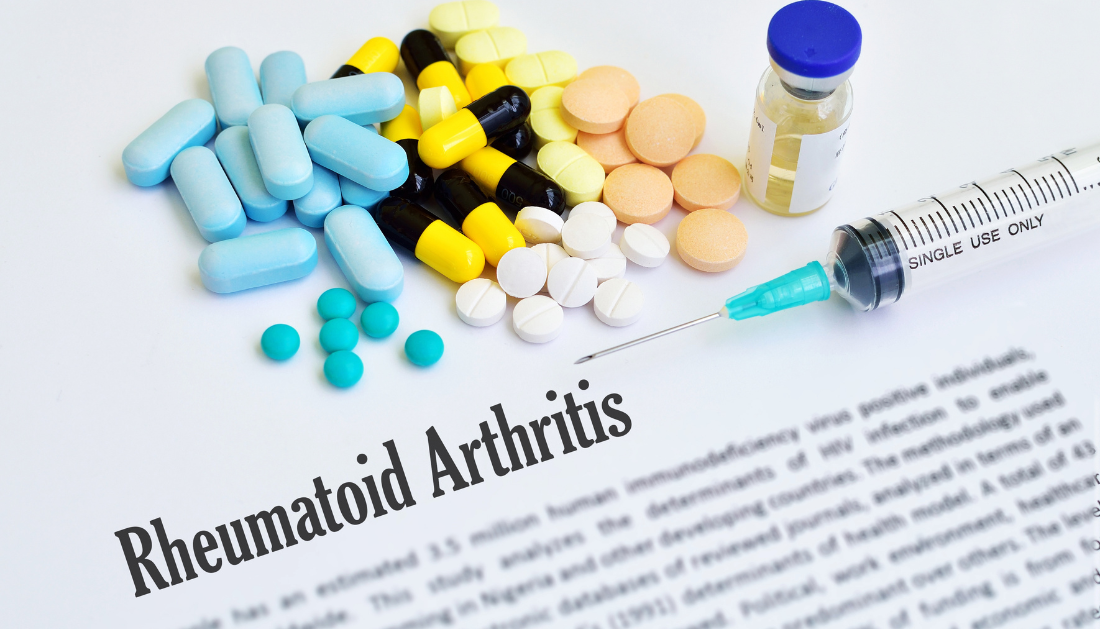
Rheumatoid Arthritis Study Reveals New Immune Cell Driver

Rheumatoid arthritis (RA) has long been recognized as an autoimmune disease characterized by chronic inflammation and progressive joint damage. However, new research published in Science Translational Medicine reveals that a unique population of immune cells, known as SPP1hi macrophages, may play a significant role in driving abnormal joint tissue growth beyond traditional inflammatory pathways.
The discovery offers healthcare professionals fresh insight into how synovial tissue expands and damages cartilage and bone, potentially opening new therapeutic avenues for patients with rheumatoid arthritis.
Researchers at Hospital for Special Surgery (HSS) used advanced spatial transcriptomics to examine human synovial tissue samples from patients with RA. Their analysis identified clusters of SPP1hi macrophages residing within fibrin-rich regions of the synovium.
Fibrin, a protein best known for its role in blood clotting and wound healing, appeared to function as a temporary structural scaffold supporting tissue growth. Within these niches, SPP1hi macrophages demonstrated several important activities:
The findings suggest that immune cells, structural cells, and extracellular matrix components work together to create an environment that encourages excessive tissue growth. This process contributes to the development of pannus, the invasive tissue responsible for cartilage and bone erosion in rheumatoid arthritis.
Although SPP1hi macrophages share similarities with cells involved in fibrotic diseases, researchers observed a distinct pattern in RA tissues. Unlike lung or liver fibrosis, RA tissues did not exhibit extensive collagen accumulation.
Instead, investigators described the process as pro-generative tissue remodeling, resembling an exaggerated wound-healing response. Rather than producing dense scar tissue, these cellular interactions promote persistent tissue expansion within the joint.
This perspective shifts the understanding of RA from a disease driven solely by inflammation to one involving abnormal repair mechanisms that continuously reshape joint tissues.
The study also highlighted the importance of IL-6 signaling in maintaining SPP1hi macrophages. This finding may help explain why IL-6 inhibitors benefit certain patients with rheumatoid arthritis and could support more personalized treatment approaches.
Targeting tissue remodeling pathways alongside inflammation control may provide additional opportunities to slow disease progression and reduce structural joint damage.
Beyond rheumatoid arthritis, similar fibrin-driven remodeling mechanisms have been observed in conditions such as lupus, interstitial lung disease, cancer, and traumatic injury, indicating broader relevance for future research and therapeutic development.

 Nicotine E-Cigarettes Help More Smokers Quit Than NRT
Key Points Nicotine e-cigarettes helped more.
 AI Identifies Key Gene Driving Hematopoietic Stem Cell Aging
Key Points AI analysis identified Pbx1.
 Alzheimer’s Disease Blood Test Receives FDA Clearance
Key Points FDA clears PrecivityAD2, a.
 Intravenous Iron Improves Recovery After Heart Surgery
Key points A large multicenter randomized.
 Childhood Epilepsy Linked to Lower Educational Achievement
Key Takeaways Childhood epilepsy was associated.
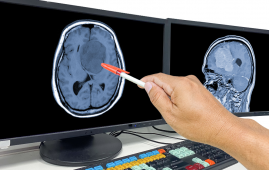 Laser Treatment for Glioblastoma Shows Survival Benefit
Key Points A multicenter analysis of.
 Malaria Vaccination Turns Mosquito Bites Into Immune Boosters
Key takeaways: WEHI researchers developed a.
 Inhaled Cannabis Linked to Fewer Premature Heartbeats
Key Points Habitual cannabis users had.
 Lead Exposure in Indoors and Contamination in Soil
Key Points Lead contamination in soil.
 Early-Life Stress Linked to Lasting Brain Epigenetic Changes
Key Points Early-life stress (ELS) increased.
Leave a Comment