
Smoking and Loneliness: Study Finds Stronger Social Isolation

Smoking and loneliness may be more closely connected than previously recognized, according to a large Europe-wide study presented at the European Respiratory Society (ERS) Congress in Barcelona, Spain. Researchers found that older adults who currently smoke reported greater loneliness than non-smokers and experienced a greater increase in loneliness over 2 years.
The findings challenge the perception of smoking as a social activity and suggest that smoking may affect psychosocial health in addition to physical health. The study included more than 50,000 participants from 15 European countries who took part in the Survey of Health and Ageing in Europe (SHARE).
Researchers assessed loneliness using the UCLA loneliness scale, which considers feelings such as lacking companionship, feeling left out, and feeling isolated from others. The participants had an average age of 67 years, while 22% were current smokers at the beginning of the study.
Current smokers recorded higher loneliness scores than people who did not currently smoke. They also showed larger increases in loneliness during follow-up. These associations persisted after researchers accounted for demographic characteristics and participants’ baseline loneliness.
The researchers observed only slight differences between European regions, suggesting that the relationship between smoking and social isolation may remain broadly consistent across different cultural and social environments.
Dr. Keir Philip, Clinical Lecturer in Respiratory Medicine at Imperial College London’s National Heart and Lung Institute, suggested several possible mechanisms.
Smoking-related illnesses can progressively reduce mobility and physical functioning, making it harder for individuals to participate in social activities or maintain regular contact with others. This reduced participation may contribute to social isolation and loneliness in older adults.
Changes in smoking norms may also play a role. Public smoking restrictions and smoke-free environments in homes and other settings could make social spaces less accessible or appealing to people who smoke, potentially reducing opportunities for interaction.
The findings add to evidence that smoking cessation may have benefits beyond reducing respiratory and cardiovascular risks. Professor Des Cox of University College Dublin, who was not involved in the research, emphasized the importance of helping people quit without stigma.
For healthcare professionals and nurses, the study highlights the value of considering psychosocial health when providing smoking cessation support. Assessing loneliness, social connection, mobility, and other barriers may help clinicians provide more comprehensive care.
As loneliness becomes an increasingly important public health concern, recognizing smoking as a potential contributor could strengthen prevention and cessation strategies. The researchers argue that public health messaging should address both the physical and social consequences of tobacco use.

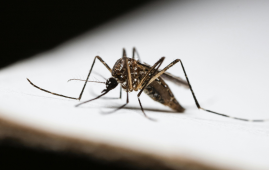 Malaria Vaccination Turns Mosquito Bites Into Immune Boosters
Key takeaways: WEHI researchers developed a.
 Lead Exposure in Indoors and Contamination in Soil
Key Points Lead contamination in soil.
 Drinking Water With Meals Linked to Higher Food Intake
Key Points Summary A new Appetite.
 Cyclosporiasis Risk: Who Faces the Highest Threat?
Key Summary Cyclosporiasis cases are increasing.
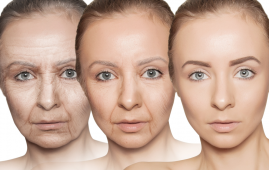 EP2 Receptor Research Opens New Path for Healthy Aging
Key Points Researchers identified the EP2.
 Lifestyle Behaviors and Mood Linked in Daily Life Study
Key Points A 70-day diary study.
 England Obesity Prevalence Climbs to 30%, Lancet Study
Key Points A nationwide study of.
 Kidney Tissue Repair Enhanced by AD-NP1 in Preclinical Study
Key Summary UCLA researchers found that.
 Li-Fraumeni Syndrome Surveillance Improves Survival
Key Summary A Europe-wide study found.
 Women’s Healthcare Advances Through FemTech
Key Summary FemTech has grown from.
Leave a Comment