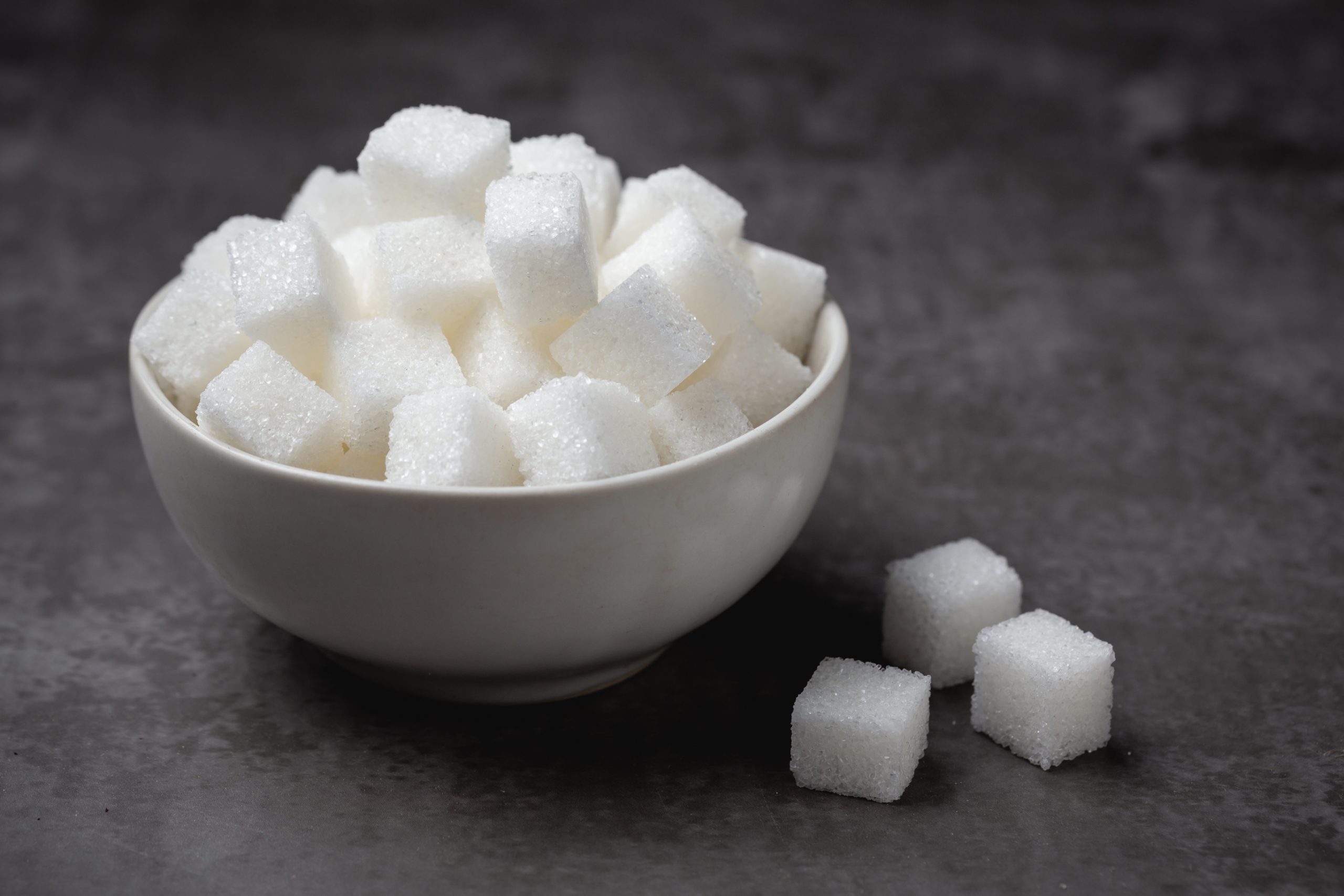
Image by jcomp on Freepik

Researchers from the University of Minnesota Medical School and School of Public Health led a study on the association between dietary intake and cardiovascular disease risk factors, which was published in the International Journal of Obesity. Over a 20-year period, the research team investigated people’s typical dietary intake, with a focus on non-nutritive sweeteners commonly present in artificial sweeteners. Long-term usage of aspartame, saccharin, and diet beverages was connected to increased fat deposits in the abdomen and fat within muscle, according to the researchers. However, the study revealed no link between the artificial sweetener sucralose and these fat volume measurements.
“This study showed that habitual, long-term intake of total and individual artificial sweetener intakes are related to greater volumes of adipose tissue, commonly known as body fat,” said Brian Steffen, PhD, MSCR, a professor in the Department of Surgery at the U of M Medical School and co-investigator on the funded grant. “This was found even after accounting for other factors, including how much a person eats or the quality of one’s diet.”
The study’s findings cast doubt on the American Diabetes Association and American Heart Association suggestions to replace additional sugars with artificial sweeteners. Based on their findings, the researchers propose that alternate ways be considered, as long-term artificial sweetener intake may have negative health repercussions.
“This is an especially timely study, given the World Health Organization’s recent warning of the potential health risks of aspartame,” said Lyn Steffen, PhD, MPH, a professor in the School of Public Health and principal investigator on the study. “These findings underscore the importance of finding alternatives to artificial sweeteners in foods and beverages, especially since these added sweeteners may have negative health consequences.”
More research is needed, according to the researchers, to better understand the link between artificial sweetener consumption and increased body fat. More research is needed to investigate the underlying mechanisms and acquire a better understanding of how eating choices affect metabolic health.
The study was supported by grants from the National Institutes of Health and the National Heart, Lung, and Blood Institute (R21 HL135300 and R01 HL150053, respectively), as well as contracts from the NIH/NHLBI that funded the four field centers.

 Brain-Computer Interface Uses EEG in Unresponsive Patients
Key findings at a glance Mind-controlled.
 Gamma Oscillations Restored in Alzheimer’s Disease Mice
Key takeaways Researchers restored parvalbumin (PV).
 Coffee Consumption Linked to Lower Recurrent VTE Risk
Key points at a glance Study.
 Body Roundness Index Linked to Higher Heart Attack Risk
Key findings at a glance Study.
 Maternal Diet Fails to Reduce Infant Egg and Peanut Allergy
Key Points A large Australian randomized.
 Visual Impairment Linked to Higher Dementia Risk
Key findings at a glance A.
 Long-Acting HIV Treatment May Help Drug-Resistant Cases
Key Takeaways A UCSF study found.
 Night Shift Work Alters Key Circadian Gene Expression
A recent study published in Frontiers.
 Tirzepatide Weight Loss: Fat Mass and Muscle Findings
Key points Tirzepatide was associated with.
 Coffee and Gut Microbiome: Brewing and Metabolic Effects
Key Points Coffee contains caffeine, chlorogenic.
Leave a Comment