
Study: Prevention of dementia using mobile phone applications

Recent findings published in The Lancet Healthy Longevity highlight the potential of a coach-supported mobile health (mHealth) intervention to reduce dementia risk factors in underserved populations. In the multinational PRODEMOS trial, researchers investigated whether this innovative approach could impact dementia risk scores by addressing modifiable factors such as hypertension, diabetes, obesity, and smoking.
The trial, conducted in the UK and China, included 1,488 participants aged 55-75 with at least two risk factors of this neurological condition. Participants were randomized into an intervention group, receiving self-management tools and remote coaching via a mobile app, and a control group, receiving generic health information.
Over a 12-18 month period, results revealed a modest yet statistically significant improvement in the CAIDE (Cardiovascular Risk Factors, Aging, and Dementia Study) dementia risk score in the intervention group compared to the control group (-0.16 points, p=0.02). Although there were no significant changes in systolic blood pressure, total cholesterol, or BMI, the intervention group showed reductions in physical inactivity, smoking, and uncontrolled risk factors. High adherence was observed, with 79% of interventions fully executed as per protocol.
The intervention’s appropriateness and acceptability were positively rated at 85% and 81%, respectively. Despite the logistical challenges, the intervention was cost-effective and feasible to implement. However, the study noted limitations such as low response rates, potential technological inequalities, and the reliance on self-reported data.
Researchers concluded that while the intervention showed modest effectiveness in reducing the risk of dementia, larger and longer-term studies are needed to confirm whether such reductions will translate to actual dementia prevention. The study underscores the importance of combining individual-level interventions with broader systemic changes to have a significant impact on risk reduction for this neurological condition.
To know more about risk of Dementia, an interesting talk by Dr. Barbara Sue Koppel, MD visit – Living with Dementia: A Doctor’s Perspective
For more information: Van Charante et al. (2024) Prevention of dementia using mobile phone applications (PRODEMOS): a multinational, randomized, controlled effectiveness–implementation trial, The Lancet Healthy Longevity. doi: https://doi.org/10.1016/S2666-7568(24)00068-0.

 Brain-Computer Interface Uses EEG in Unresponsive Patients
Key findings at a glance Mind-controlled.
 Gamma Oscillations Restored in Alzheimer’s Disease Mice
Key takeaways Researchers restored parvalbumin (PV).
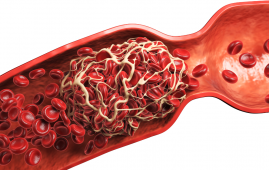 Coffee Consumption Linked to Lower Recurrent VTE Risk
Key points at a glance Study.
 Body Roundness Index Linked to Higher Heart Attack Risk
Key findings at a glance Study.
 Maternal Diet Fails to Reduce Infant Egg and Peanut Allergy
Key Points A large Australian randomized.
 Visual Impairment Linked to Higher Dementia Risk
Key findings at a glance A.
 Long-Acting HIV Treatment May Help Drug-Resistant Cases
Key Takeaways A UCSF study found.
 Night Shift Work Alters Key Circadian Gene Expression
A recent study published in Frontiers.
 Tirzepatide Weight Loss: Fat Mass and Muscle Findings
Key points Tirzepatide was associated with.
 Coffee and Gut Microbiome: Brewing and Metabolic Effects
Key Points Coffee contains caffeine, chlorogenic.
Leave a Comment