
Sudden Cardiac Death in Diabetes: New Danish Evidence

A new Danish nationwide cohort study sheds light on a critical, and often underestimated, threat: sudden cardiac death in diabetes. The findings indicate that individuals with Type 1 diabetes (T1D) and Type 2 diabetes (T2D) experience substantially higher rates of sudden cardiac death (SCD), along with years of life lost, compared with the general population. For clinicians and nurses, these results underscore the need for sharpened risk assessment and earlier prevention strategies.
The research, published in the European Heart Journal, analyzed all deaths in Denmark in 2010, representing a population of 5.5 million. Of the 54,028 deaths that year, 12.7% were classified as sudden cardiac death. Among individuals with diabetes, 97 SCD cases occurred in T1D and 1,149 in T2D.
These findings highlight that patients with diabetes face a 3.7-fold (T1D) and 6.5-fold (T2D) higher SCD risk even after adjusting for cardiovascular comorbidities.
Life expectancy modeling from age 30 revealed:
Although absolute SCD rates are higher in T2D, the relative risk is most significant in younger T1D adults, particularly those aged 30–40 years (22.7× higher than age-matched controls).
For clinicians, these results emphasize the need to broaden SCD prevention beyond traditionally high-risk cardiovascular populations and incorporate diabetes-specific triggers, including hypoglycemia and early vascular disease.
This study provides clear evidence that sudden cardiac death represents a significant, quantifiable contributor to reduced life expectancy in diabetes, reinforcing the need for:
Healthcare professionals can apply these insights to refine clinical decision-making and proactively identify patients needing more targeted monitoring and prevention.

 Visual Impairment Linked to Higher Dementia Risk
Key findings at a glance A.
 Long-Acting HIV Treatment May Help Drug-Resistant Cases
Key Takeaways A UCSF study found.
 Night Shift Work Alters Key Circadian Gene Expression
A recent study published in Frontiers.
 Tirzepatide Weight Loss: Fat Mass and Muscle Findings
Key points Tirzepatide was associated with.
 Coffee and Gut Microbiome: Brewing and Metabolic Effects
Key Points Coffee contains caffeine, chlorogenic.
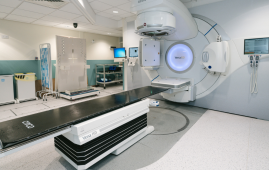 Low-Dose Radiation Therapy Shows Promise in Early Knee OA
Key Points Low-dose radiation therapy was.
 Oral Hormone Replacement Therapy Raises Blood Clot Risk
Key Points Oral hormone replacement therapy.
 GLP-1 Health Information: Quality, Completeness, & Engagement
Key Points A study assessed 128.
 DNA Damage Response May Drive Biological Aging
Key Points Chronic DNA damage response.
 Maternal Diet Fails to Reduce Infant Egg and Peanut Allergy
Key Points A large Australian randomized.
Leave a Comment