Image by Freepik

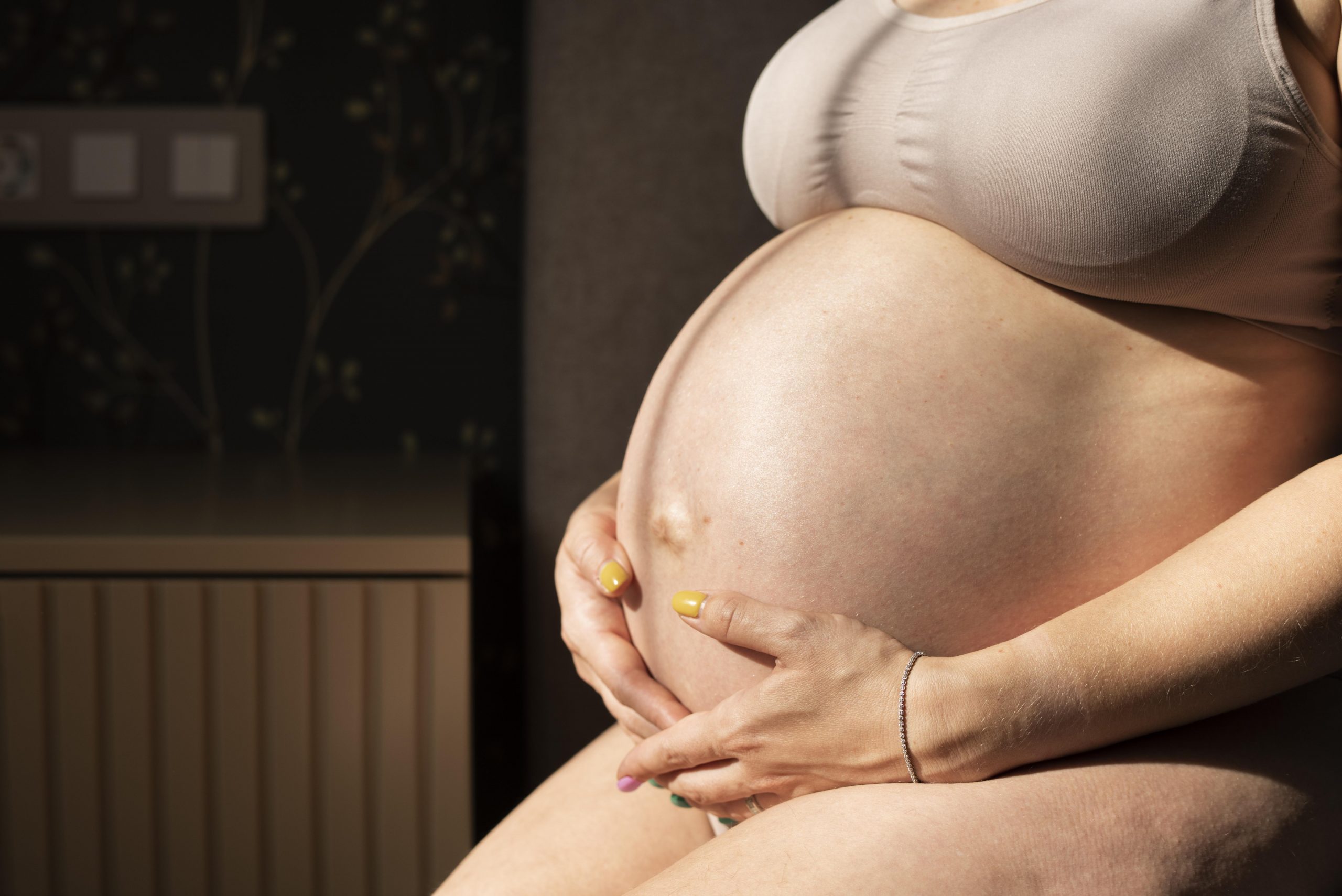
More than 30% of mothers who deliver via cesarean section experience long-term side effects including chronic stomach pain, blood loss, or infertility issues. These signs and symptoms are brought on by an unusual uterine scar. Thanks to a worldwide study led by Amsterdam UMC, this illness is now officially designated as Cesarean Scar Disorder. (CSDi). This acknowledges the issues that women face after a cesarean section. Additionally, it is now possible to compare worldwide studies on CSDi more effectively, which offers a better understanding of available treatments. The study has just been released in JAMA Network Open.
Every year, more than 30,000 women in the Netherlands undergo cesarean sections. Nearly 60% of them experience a “niche,” a uterine wall defect brought on by poor healing. Up to 10,000 of the 18,000 with a niche experience additional symptoms or reproductive issues. Together with other worldwide specialized centers, Amsterdam UMC, a Dutch center of excellence for the treatment of niches, studied these symptoms. There hasn’t been a standard diagnosis for an illness that groups these symptoms together until now. This rendered it impossible to compare research and also kept those who have the illness in the dark.
Saskia Klein Meuleman, a medical researcher, and the gynecologists Robert de Leeuw and Judith Huirne researched pertinent literature and created a study to create a standard definition for disorders connected to niches. This study involved 31 international experts in total, ranging from the United States to China.
All respondents had both published research on the subject and treated at least 50 women annually who had symptoms consistent with the disorder. They agreed on the signs and symptoms that a cesarean scar can produce, the elements that make up the disorder, and the potential contributing causes. A clear image of the situation was painted as a result, based on an international consensus.
Women can now receive an accurate diagnosis thanks to this research, making it simpler for them to access the right treatment. Additionally, women can learn more about the potential long-term side effects of cesarean delivery. “A cesarean section is a very important, and often life-saving, procedure. But it is important that we do not underestimate the effect this operation can have on the long-term quality of life,” adds Klein Meuleman. Before having a cesarean section, women should be made aware of CSDi so that they can, if feasible, consider it in their decision-making. They will be able to seek assistance more quickly if these symptoms develop thanks to this information.

 Visual Impairment Linked to Higher Dementia Risk
Key findings at a glance A.
 Long-Acting HIV Treatment May Help Drug-Resistant Cases
Key Takeaways A UCSF study found.
 Night Shift Work Alters Key Circadian Gene Expression
A recent study published in Frontiers.
 Tirzepatide Weight Loss: Fat Mass and Muscle Findings
Key points Tirzepatide was associated with.
 Coffee and Gut Microbiome: Brewing and Metabolic Effects
Key Points Coffee contains caffeine, chlorogenic.
 Low-Dose Radiation Therapy Shows Promise in Early Knee OA
Key Points Low-dose radiation therapy was.
 Oral Hormone Replacement Therapy Raises Blood Clot Risk
Key Points Oral hormone replacement therapy.
 GLP-1 Health Information: Quality, Completeness, & Engagement
Key Points A study assessed 128.
 DNA Damage Response May Drive Biological Aging
Key Points Chronic DNA damage response.
 Maternal Diet Fails to Reduce Infant Egg and Peanut Allergy
Key Points A large Australian randomized.
Awesome! Its genuinely remarkable post, I have got much clear idea regarding from this post