
Citrus and Grape Compounds for Type 2 Diabetes Prevention

A recent Italian clinical trial published in Frontiers in Nutrition suggests that a daily blend of citrus and grape compounds combined with chromium could normalize blood sugar and improve lipid balance in adults with prediabetes, achieving results faster than dietary changes alone. The findings offer growing evidence that certain nutraceuticals may complement lifestyle interventions in preventing type 2 diabetes.
Prediabetes, or impaired fasting glucose (IFG), affects millions worldwide and significantly increases cardiovascular risk. Although lifestyle changes remain the cornerstone of prevention, adherence challenges often limit success. Researchers from Italy sought to evaluate whether a targeted chromium-flavonoid blend could accelerate improvements in glucose metabolism and lipid control among individuals with IFG following an isocaloric DASH diet.
The randomized, double-blind, placebo-controlled study involved 62 adults (ages 18–75) with IFG. Participants received either a placebo or a supplement containing 250 µg of chromium and 560 mg of flavonoids derived from Citrus limon, Vitis vinifera, and Citrus sinensis over six months.
Results were striking; fasting blood glucose in the supplement group dropped from 114 to 94 mg/dL, reaching normal levels within three months, compared with modest improvements in the placebo group. Additionally, the supplement significantly lowered LDL cholesterol, increased HDL, and reduced triglycerides, demonstrating potential cardiovascular benefits. Notably, all safety markers, including liver and kidney parameters, remained stable, indicating good tolerability.
Lead investigators noted that the synergistic action of hesperidin, flavonoids, and chromium may enhance insulin sensitivity and oxidative balance. These effects could provide a complementary, non-pharmacological tool for metabolic management in people at risk of developing type 2 diabetes.
While the findings are promising, researchers recommend larger, multi-center trials to confirm the supplement’s long-term benefits and generalizability across diverse populations.
For clinicians and nutrition-focused HCPs, this study underscores the potential of bioactive plant compounds in preventive care strategies for prediabetes and dyslipidemia. Integrating evidence-based nutraceuticals with dietary and behavioral counseling could strengthen patient adherence and improve early metabolic outcomes.
Citation: Frontiers in Nutrition – “Impact of a food supplement containing Citrus limon L. Osbeck and Vitis vinifera L. extracts, hesperidin and chromium in combination with an isocaloric diet on glucose and lipid metabolism in subjects with impaired fasting blood glucose.”
Source:

 Brain-Computer Interface Uses EEG in Unresponsive Patients
Key findings at a glance Mind-controlled.
 Gamma Oscillations Restored in Alzheimer’s Disease Mice
Key takeaways Researchers restored parvalbumin (PV).
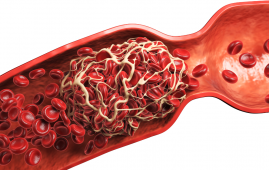 Coffee Consumption Linked to Lower Recurrent VTE Risk
Key points at a glance Study.
 Body Roundness Index Linked to Higher Heart Attack Risk
Key findings at a glance Study.
 Maternal Diet Fails to Reduce Infant Egg and Peanut Allergy
Key Points A large Australian randomized.
 Visual Impairment Linked to Higher Dementia Risk
Key findings at a glance A.
 Long-Acting HIV Treatment May Help Drug-Resistant Cases
Key Takeaways A UCSF study found.
 Night Shift Work Alters Key Circadian Gene Expression
A recent study published in Frontiers.
 Tirzepatide Weight Loss: Fat Mass and Muscle Findings
Key points Tirzepatide was associated with.
 Coffee and Gut Microbiome: Brewing and Metabolic Effects
Key Points Coffee contains caffeine, chlorogenic.
Leave a Comment