
Accelerated Aging and Colorectal Cancer Risk

New research from the Sylvester Comprehensive Cancer Center at the University of Miami suggests that accelerated aging—a biological age exceeding one’s chronological age—may be a significant predictor of early-onset colorectal cancer. Published in Cancer Prevention Research, the findings highlight a potential new avenue for identifying individuals at higher risk through biological age assessments.
Unlike chronological age, biological age is determined by physiological markers influenced by genetics, lifestyle, and environment, analyzed through DNA. Accelerated aging has been previously linked to multiple cancers and overall mortality, underscoring its importance in understanding health risks.
Lead researcher Dr. Shria Kumar emphasized that accelerated aging could serve as a new basis for risk-based colorectal cancer screening. “This concept gives us a way to refine early screening protocols, possibly identifying high-risk individuals under the current recommended screening age of 45,” she explained. Join Family Medicine and Geriatrics 2025 medical conference to elevate your clinical expertise in the geriatric feild.
The study’s results indicate that for every year of accelerated aging, the risk of developing precancerous polyps increases by 16%.
Rates of colorectal cancer in individuals under 50 have been climbing by 2% annually since 2011, according to the American Cancer Society. Alarmingly, nearly half of early-onset cases occur in people under 45, a demographic not always reached by current screening guidelines.
Colonoscopy remains the gold standard for colorectal cancer prevention, offering both detection and removal of polyps. Although non-invasive stool tests provide alternatives, colonoscopy uniquely allows physicians to intervene directly, reducing cancer risk.
The study also identified key risk factors for accelerated aging, including obesity, smoking, and excessive alcohol use. Interestingly, male sex emerged as the strongest predictor for developing polyps, a finding that warrants further investigation.
Dr. Kumar’s team advocates for further research to validate the role of biological age in screening protocols. If integrated effectively, this approach could revolutionize colorectal cancer prevention, offering targeted interventions that improve outcomes for younger populations.
More information: Brown, C. M., et al. (2024) Biological Age Acceleration and Colonic Polyps in Persons under Age 50. Cancer Prevention Research. doi.org/10.1158/1940-6207.capr-24-0317

 Night Shift Work Alters Key Circadian Gene Expression
A recent study published in Frontiers.
 Tirzepatide Weight Loss: Fat Mass and Muscle Findings
Key points Tirzepatide was associated with.
 Coffee and Gut Microbiome: Brewing and Metabolic Effects
Key Points Coffee contains caffeine, chlorogenic.
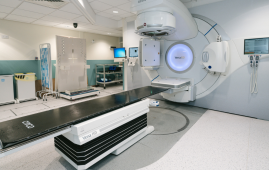 Low-Dose Radiation Therapy Shows Promise in Early Knee OA
Key Points Low-dose radiation therapy was.
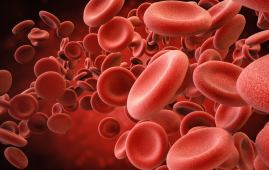 Oral Hormone Replacement Therapy Raises Blood Clot Risk
Key Points Oral hormone replacement therapy.
 GLP-1 Health Information: Quality, Completeness, & Engagement
Key Points A study assessed 128.
 DNA Damage Response May Drive Biological Aging
Key Points Chronic DNA damage response.
 Maternal Diet Fails to Reduce Infant Egg and Peanut Allergy
Key Points A large Australian randomized.
 Psychedelic-Assisted Psychotherapy: Music in Treatment
Key Takeaways Psychedelic-assisted psychotherapy combines psychedelic.
 Cardiovascular Frailty Links Heart Health and Aging
Key Points Cardiovascular frailty may connect.
Leave a Comment