
Image by Rawpixel on Freepik

A tiny chemical has been discovered by Tufts University School of Medicine researchers and collaborators that may be used to treat epileptic patients whose condition has become resistant to the benzodiazepine medications typically used to treat seizures. The study, which used mice and lab cells, was released online on March 7 in Cell Reports Medicine.
Uncontrolled epilepsy can result in frequent, protracted seizures that last five minutes or longer and harm or even kill brain cells. According to estimates, 3.4 million Americans and millions more people throughout the world suffer from the illness.
When the complex, delicate balance of transmission between neurons in the brain breaks, epilepsy results, causing neurons to fire excessively and resulting in convulsions. The transmission of messages between neurons is slowed down by benzodiazepines.
“While seizures can frequently be controlled with medications, up to 30 percent of those with epilepsy develop drug resistance after a period of time,” says study co-first author Krithika Abiraman, a scientist in the Department of Neuroscience at Tufts University School of Medicine.
The scientists were looking for targets in the brain that could restore normal signaling. They focused on a potassium chloride co-transporter called KCC2. In the normal brain, KCC2 helps pump chloride out of nerve cells, which helps break neuronal overfiring.
“Previous research in both rodents and humans had shown that low KCC2 levels and activity in the brain is linked to drug-resistant and prolonged seizures,” explains Shu Fun Josephine Ng, co-first author and a scientist in the Department of Neuroscience. Both Ng and Abiraman work in the laboratory of Stephen Moss, professor of neuroscience at the School of Medicine, program faculty at Tufts Graduate School of Biomedical Sciences, and the corresponding author of the study.
More than a million substances were tested by AstraZeneca collaborators in an effort to find a family of substances that could be able to influence KCC2 function in the brain.
When combined with benzodiazepines, Compound 350, one of the compounds evaluated by the researchers, reduced the activity of mice with drug-resistant seizures’ seizures.
We also observed that mice treated with the benzodiazepine and Compound 350 had lower cell death in the brain than those treated only with the benzodiazepine,” said Ng, adding that this was most likely because rodents treated with both drugs were not having as many seizures.
The small molecules we have identified have the capacity to be developed as first-in-class drugs to alleviate drug-resistant epilepsies and neurodegenerative disorders,” says Moss. “In collaboration with Ovid Therapeutics, these compounds are now under clinical development.”

 EEG Monitoring for Cybersickness: New Study Findings
Key takeaways Researchers at the University.
 Brain-Computer Interface Uses EEG in Unresponsive Patients
Key findings at a glance Mind-controlled.
 Gamma Oscillations Restored in Alzheimer’s Disease Mice
Key takeaways Researchers restored parvalbumin (PV).
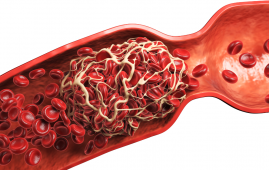 Coffee Consumption Linked to Lower Recurrent VTE Risk
Key points at a glance Study.
 Body Roundness Index Linked to Higher Heart Attack Risk
Key findings at a glance Study.
 Maternal Diet Fails to Reduce Infant Egg and Peanut Allergy
Key Points A large Australian randomized.
 Visual Impairment Linked to Higher Dementia Risk
Key findings at a glance A.
 Long-Acting HIV Treatment May Help Drug-Resistant Cases
Key Takeaways A UCSF study found.
 Epilepsy Drugs May Interact With Hormonal Contraceptives
Key points: Nearly one-third of people.
 Night Shift Work Alters Key Circadian Gene Expression
A recent study published in Frontiers.
Leave a Comment