
Exercise During Chemotherapy Helps Patients Stay Active

Key Points Summary
Exercise during chemotherapy supports physical and cognitive health, according to new findings from a nationwide clinical trial led by researchers at the Wilmot Cancer Institute at the University of Rochester.
The study highlights how a structured, home-based exercise prescription helped patients undergoing chemotherapy maintain daily activity levels and report better cognitive clarity compared with patients receiving standard care without exercise.
Published in the March issue of the JNCCN – Journal of the National Comprehensive Cancer Network, the research underscores the growing role of exercise oncology as an important component of supportive cancer care.
Chemotherapy-related cognitive impairment, often referred to as “chemo brain,” affects a significant portion of patients undergoing cancer treatment. Researchers estimate that up to 75% of cancer patients experience cognitive difficulties, including brain fog, reduced concentration, and challenges managing daily tasks such as medications or finances.
Lead investigator Karen Mustian, PhD, MPH, and colleague Po‑Ju Lin, PhD, MPH, RD, examined whether a structured exercise prescription could help address these symptoms.
Their program, known as EXCAP (Exercise for Cancer Patients)-was developed in collaboration with specialists from the American College of Sports Medicine. The program includes:
Researchers note that even mild-to-moderate exercise may produce meaningful benefits by supporting immune health and reducing inflammation.
The phase 3 clinical trial enrolled nearly 700 patients across 20 community oncology clinics in the United States, all of whom were receiving chemotherapy for the first time.
Participants were randomly assigned to either:
Key findings included:
According to Lin, the results emphasize the importance of structured exercise guidance, noting that patients without an exercise prescription often experience both declining activity and worsening cognitive symptoms.
Interestingly, the benefits of exercise were most pronounced among patients receiving chemotherapy every two weeks, compared with patients treated on three- or four-week cycles.
Researchers suggest this difference may relate to variations in drug toxicity or side-effect profiles, which could influence patients’ ability to stay physically active during treatment.
Regardless of treatment schedule, investigators emphasize that non-pharmacologic strategies, including exercise, mindfulness, and cognitive training, offer accessible and low-cost options for managing chemotherapy-related symptoms.
Guidelines for physical activity during cancer treatment are also supported by the National Comprehensive Cancer Network, which encourages clinicians to discuss safe exercise options such as walking and resistance training with patients undergoing therapy.

 Physical Activity Guidelines Gap: Walking is Insufficient
Quick Summary Walking remains the most.
 Breast Cancer Risk Rises with Aging Tissue Changes
Key Highlights A 3-million-cell atlas reveals.
 Type 2 Diabetes Risk Rising in Genetically Susceptible
Quick Summary Rising type 2 diabetes.
 Female Microbiome Shaped by Diet, Stress, Unhealthy Lifestyle
Quick Summary Lifestyle factors significantly influence.
 Transcatheter Valve-in-Valve Improves Mitral Outcomes
Key Highlights Transcatheter mitral valve-in-valve (mVIV).
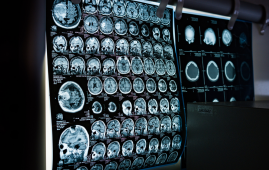 Stroke Rehabilitation: Early High-Intensity Therapy Findings
Key Highlights High-intensity therapy within 2.
 TRPM8 Cold Sensation Mechanism Explained for Pain Care
Quick Summary TRPM8 ion channel converts.
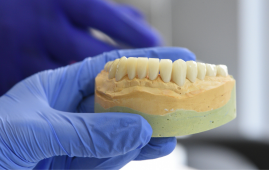 Gum Recession from Snus Confirmed, Caries Risk Debated
Key Highlights Snus use is strongly.
 Hypertensive Disorders of Pregnancy: Role of Daily Activity
Key Points Summary Limiting sedentary time.
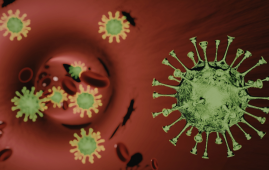 Climate Change Drives Dengue Outbreaks Globally
Key Takeaways Extreme weather significantly increases.
Leave a Comment