Image-by-kjpargetera-on-Freepik

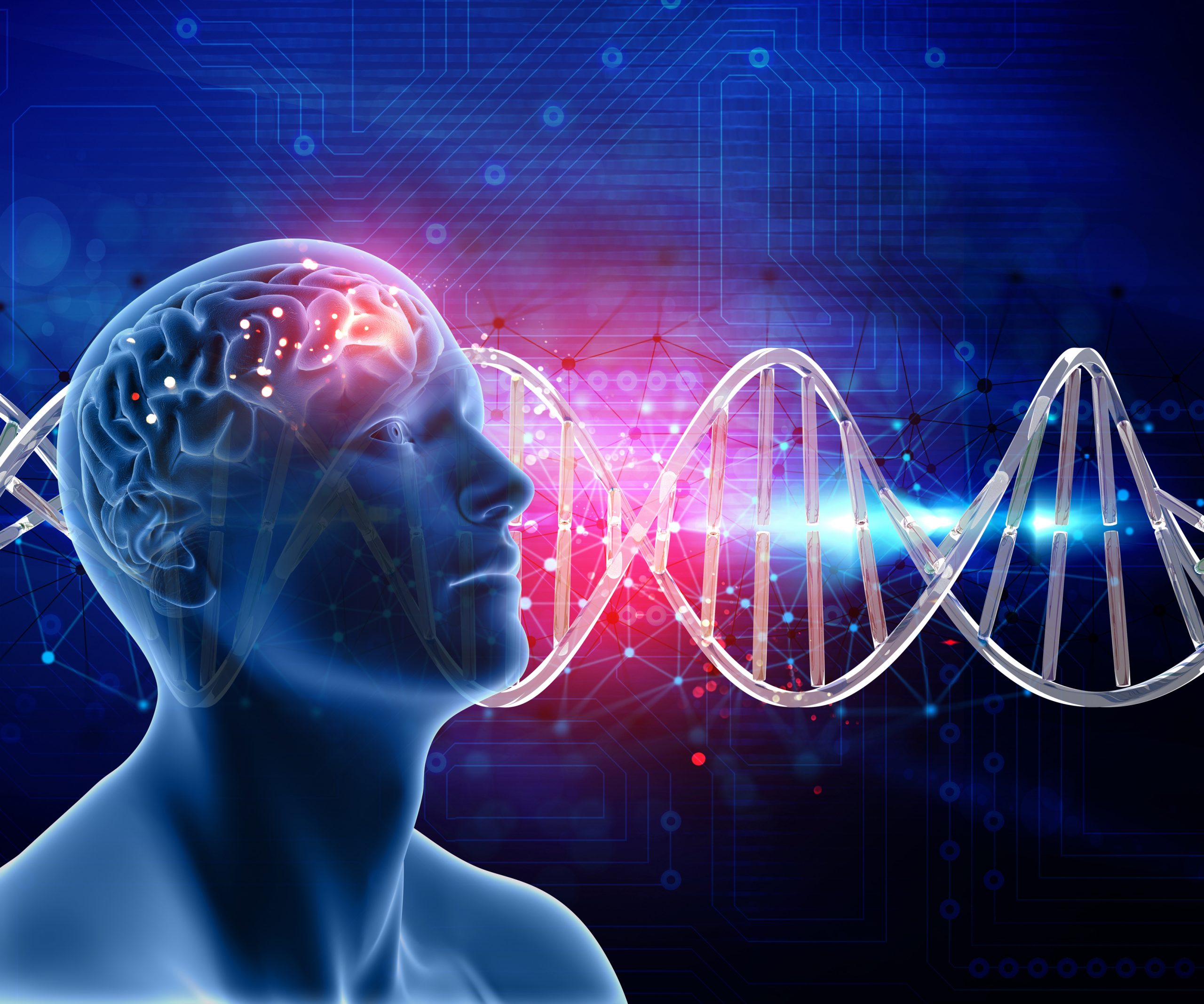
Medical researchers from the Max Planck Institute for Psycholinguistics have discovered structural variations in the human brain’s white matter that are connected to genetic variations that may be the cause of some behavioral traits and brain illnesses.
The team’s study, which was published in Science Advances, details how they utilized a variety of methods to identify genetic characteristics that are associated with connectivity problems between the human brain’s white matter regions, some of which may increase the likelihood of brain illnesses.
Previous studies have demonstrated that one of the main functions of white brain matter is to act as a form of network, carrying neural messages between various regions of the brain. Previous studies have discovered some evidence of connections between a number of brain illnesses and hereditary issues that cause minute differences in the white matter structure. The goal of this new study was to find out more about the relationship between genetic variations in white matter and brain problems.
The team’s analysis of 30,810 brain scans and related genetic data stored in the U.K. Biobank served as the starting point for their work. Diffusion tensor imaging, a type of MRI scan that employs tractography to aid in the visualization of white matter tracts in 3D images, was used to analyze the pictures. Such research aided in identifying structural variances.
They then used the genotyped data to perform a genetic association analysis, and they discovered that they could find 325 loci that might be linked to abnormal white matter architecture.
They discovered that the majority of the genetic variations responsible for them were most active during embryonic and fetal development by comparing the structural differences they discovered with studies by other researchers. Additionally, they discovered some potential connections between the discovered variants (and subsequent structural variations) and brain disorders; they point out that prior studies have demonstrated that many individuals with brain disorders like autism have a decreased number of white matter connections.
The researchers indicate that a risk factor for several brain illnesses is the decrease of white matter connections linked to structural damage brought on by genetic variations.

 Brain-Computer Interface Uses EEG in Unresponsive Patients
Key findings at a glance Mind-controlled.
 Gamma Oscillations Restored in Alzheimer’s Disease Mice
Key takeaways Researchers restored parvalbumin (PV).
 Coffee Consumption Linked to Lower Recurrent VTE Risk
Key points at a glance Study.
 Body Roundness Index Linked to Higher Heart Attack Risk
Key findings at a glance Study.
 Maternal Diet Fails to Reduce Infant Egg and Peanut Allergy
Key Points A large Australian randomized.
 Visual Impairment Linked to Higher Dementia Risk
Key findings at a glance A.
 Long-Acting HIV Treatment May Help Drug-Resistant Cases
Key Takeaways A UCSF study found.
 Night Shift Work Alters Key Circadian Gene Expression
A recent study published in Frontiers.
 Tirzepatide Weight Loss: Fat Mass and Muscle Findings
Key points Tirzepatide was associated with.
 Coffee and Gut Microbiome: Brewing and Metabolic Effects
Key Points Coffee contains caffeine, chlorogenic.
Leave a Comment