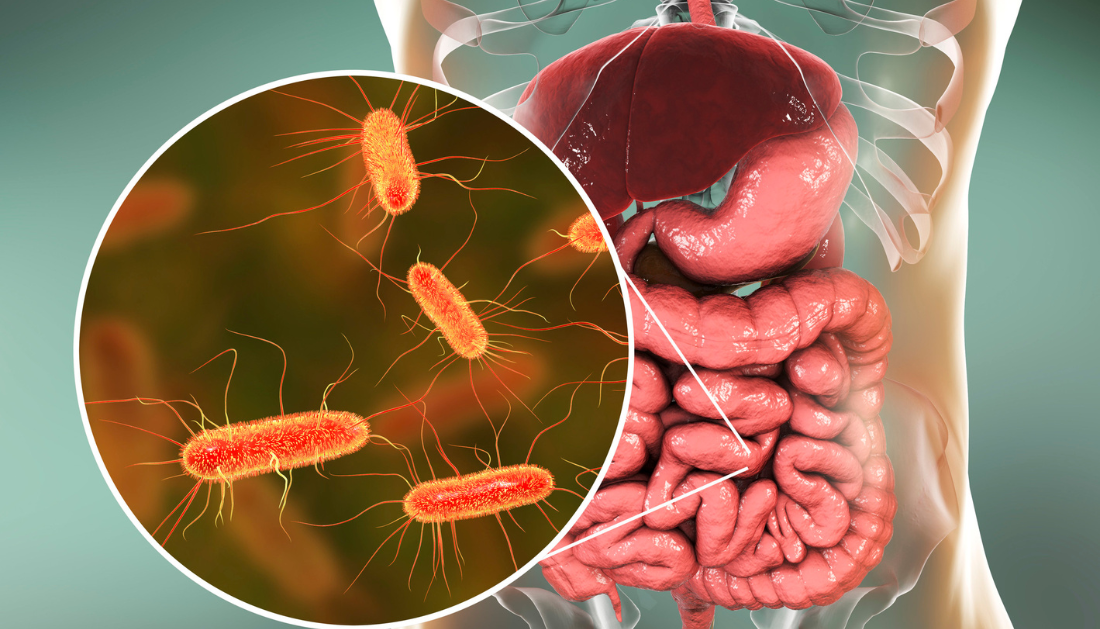
New Findings on Gut Microbiome and Aging Risks

A recent study published in Aging-US reveals new insights into how the gut microbiome influences the aging process and age-related diseases. Conducted by researchers at the Institute for Genetic and Biomedical Research (IRGB), Italy, the study identified specific gut microbiome and metabolic pathways that may impact inflammation, cardiovascular health, and macular degeneration. These findings may pave the way for microbiome-based interventions to help manage age-related conditions.
The gut microbiome, a diverse community of microorganisms in the digestive tract, plays a central role in immune function and metabolic health. With aging, changes in this ecosystem are often linked to inflammation and the development of chronic illnesses.
Using Mendelian Randomization, the researchers analyzed 55,000 potential causal relationships between gut microbial traits and age-related health markers. The study confirmed 91 significant connections, including:
These results were validated in independent datasets, providing strong evidence of a direct gut-brain-heart connection.
This research suggests that gut microbiota could be targeted to delay or reduce age-related inflammation and disease progression. By understanding how gut bacteria interact with genetics, clinicians may develop personalized treatment strategies that incorporate:
While further studies are needed to fully clarify the biological mechanisms, these findings represent a significant step toward precision medicine in aging care.

 Smoking and Loneliness Linked in Large European Study
Key points: A Europe-wide study of.
 Women’s Healthcare Advances Through FemTech
Key Summary FemTech has grown from.
 Mazdutide Shows Significant Weight Loss in Phase 3 Trial
Key Summary Mazdutide, a dual GLP-1.
 Ozone Pollution Reduces Exercise Benefits in Children
Key Summary Vigorous physical activity supports.
 Walking 8,500 Steps May Prevent Weight Regain
Key Points A new meta-analysis presented.
 Hantavirus Cruise Ship Outbreak: WHO Issues Update
Key Points WHO confirmed a cluster.
 Autoimmune Diseases in Women Linked to Gene Regulation
Key Points Researchers identified more than.
 Nutrition Research: Why Context Matters for Healthy Foods
Quick Summary Foods do not have.
 Hyperemesis Gravidarum Genes: Largest GWAS Study
Quick Summary Largest GWAS identifies 10.
 GLP-1 Drug Effectiveness Reduced by Genetic Variants
Key Points Summary Genetic variants in.
Leave a Comment