
Nutrition for High-Intensity Training Performance

A new randomized controlled trial from the University of Vienna highlights how specific foods influence oxidative stress responses during high-intensity training, offering clinically relevant insights for HCPs, sports dietitians, and nurses guiding physically active individuals. Published in Antioxidants, the trial examined how carbohydrate-rich and polyphenol-rich foods modulate reactive oxygen species (ROS) production and recovery in fasted resistance-circuit HIIT sessions.
The study involved 30 sedentary women aged 19–33, who consumed either polyphenol-rich foods (pomegranate juice, blueberries), carbohydrate-rich foods (whole-grain bread, bread rolls), or water after a 12-hour fast. Blood samples were taken at baseline, pre-training, immediately post-training, and 15 minutes into recovery.
Participants who consumed carbohydrate-rich foods experienced a significantly reduced rise in total antioxidant capacity, indicating a measurable decrease in acute oxidative stress during high-intensity training. A mild, non-significant reduction in ROS levels was also observed. Researchers suggest that adequate carbohydrate availability may reduce physiological strain by minimizing mitochondrial ROS production during fasted HIIT.
While carbohydrates appeared protective during the training session, polyphenol-rich foods showed greater benefits during recovery. Pomegranate juice and blueberries significantly reduced ROS levels 15 minutes post-exercise, helping normalize redox balance without suppressing physiological adaptive responses.
Total antioxidant capacity continued increasing in all groups throughout recovery, a pattern consistent with expected redox-system kinetics rather than direct antioxidant effects of the foods themselves.
For clinicians and coaches working with active patients or recreational athletes, these findings offer two clear strategies:
These insights are particularly relevant for individuals performing frequent HIIT or resistance-circuit sessions, where cumulative oxidative stress may impair recovery, muscle function, and training tolerance.
Although conducted in sedentary women under fasted laboratory conditions, the study offers transferable guidance: integrate polyphenol-rich foods around training and tailor carbohydrate intake to energy demands, intensity, and training goals. HCPs can apply these findings to support safer, more effective high-intensity training programs in clinical and athletic settings.

 Hypertensive Disorders of Pregnancy: Role of Daily Activity
Key Points Summary Limiting sedentary time.
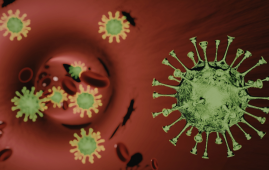 Climate Change Drives Dengue Outbreaks Globally
Key Takeaways Extreme weather significantly increases.
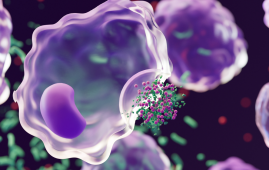 PFK Enzyme Dual Role in Metabolism and Cell Cycle
Key Highlights Phosphofructokinase (PFK Enzyme) shows.
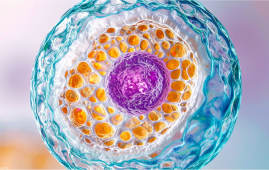 Stem Cell Therapies Course for Parkinson’s Disease Clinicians
Key Summary The International Society for.
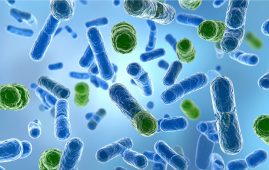 Food Tolerance Mechanism: How T Cells Prevent Allergies
Key Summary Researchers at Stanford University.
 Endometriosis Screening Tool May Cut Diagnosis Delays
Key Points Researchers from the University.
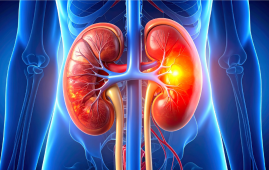 Diabetic Kidney Disease: Combo Therapy Targets Zombie Cells
Key Points Researchers from Mayo Clinic.
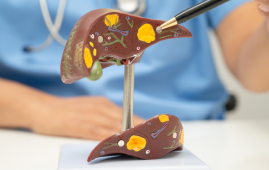 Fragmentome Technology Detects Early Liver Fibrosis
Key Points at a Glance AI-based.
 Dance for Healthy Aging: Study Highlights Benefits
Key Points at a Glance A.
 Breast Cancer Prognosis Linked to High-Fat Diet
Key Points A high-fat diet accelerated.
Leave a Comment