Immune Cell Epigenome and Disease Risk Explained

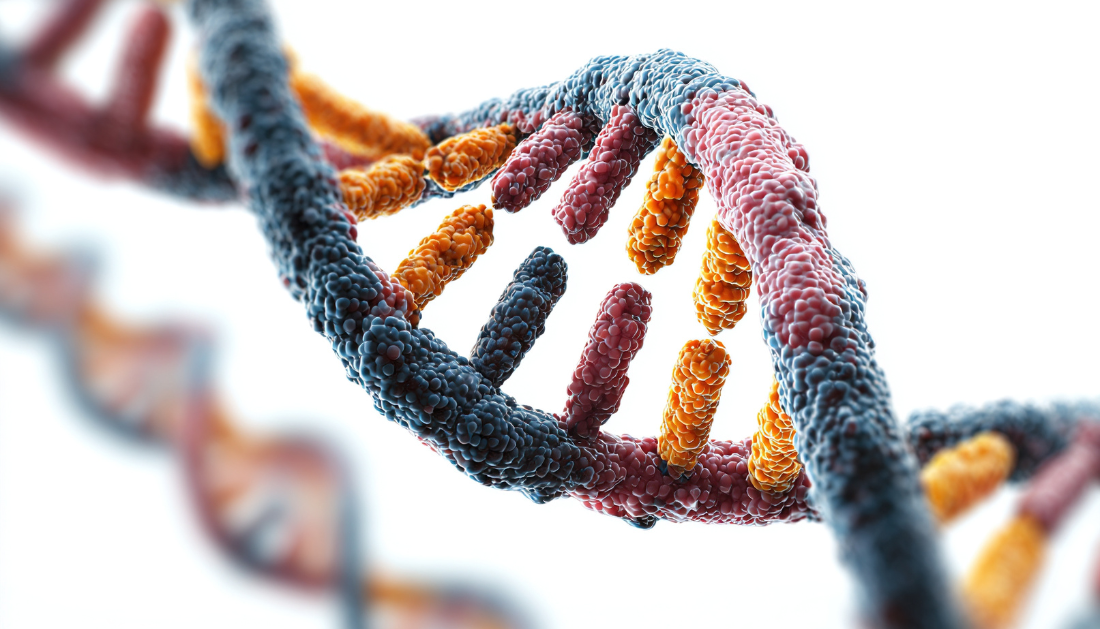
Why do patients infected with the same virus experience vastly different clinical outcomes? According to new research from the Salk Institute, the answer lies in the immune cell epigenome, a molecular layer that records both inherited genetics and lifetime exposures.
Published in Nature Genetics (January 27, 2026), the study presents a comprehensive cell-type–specific epigenetic atlas of immune cells, showing how DNA methylation patterns regulate immune behavior. While DNA sequences remain constant across cells, epigenetic markers determine which genes are active, shaping immune identity and response.
This distinction is especially relevant for clinicians managing variable responses to infections such as COVID-19, influenza, HIV-1, and MRSA, where risk prediction remains challenging.
The researchers analyzed blood samples from 110 individuals with diverse medical histories, including prior infections, anthrax vaccination, and pesticide exposure. Four immune cell types were studied: T cells, B cells, monocytes, and natural killer cells.
The immune epigenome catalog offers a roadmap for linking disease-associated genetic variants to the immune cells where pathology begins. By identifying which cell types are affected by specific epigenetic changes, clinicians may better understand disease susceptibility, prognosis, and therapeutic response.
With expanded datasets, this approach could support infection outcome prediction. For example, shared epigenetic markers among infection survivors could guide early risk assessment and targeted intervention, before severe symptoms develop.
For HCPs and nurses, this research reinforces the importance of integrating genetics, exposure history, and immune profiling into patient evaluation.

 Type 2 Diabetes Risk Rising in Genetically Susceptible
Quick Summary Rising type 2 diabetes.
 Female Microbiome Shaped by Diet, Stress, Unhealthy Lifestyle
Quick Summary Lifestyle factors significantly influence.
 Transcatheter Valve-in-Valve Improves Mitral Outcomes
Key Highlights Transcatheter mitral valve-in-valve (mVIV).
 Stroke Rehabilitation: Early High-Intensity Therapy Findings
Key Highlights High-intensity therapy within 2.
 TRPM8 Cold Sensation Mechanism Explained for Pain Care
Quick Summary TRPM8 ion channel converts.
 Gum Recession from Snus Confirmed, Caries Risk Debated
Key Highlights Snus use is strongly.
 Hypertensive Disorders of Pregnancy: Role of Daily Activity
Key Points Summary Limiting sedentary time.
 Climate Change Drives Dengue Outbreaks Globally
Key Takeaways Extreme weather significantly increases.
 Teen Driving Risks: Parents Underestimate Safety Threats
Key Takeaways Teen driving risks remain.
 PFK Enzyme Dual Role in Metabolism and Cell Cycle
Key Highlights Phosphofructokinase (PFK Enzyme) shows.
Leave a Comment