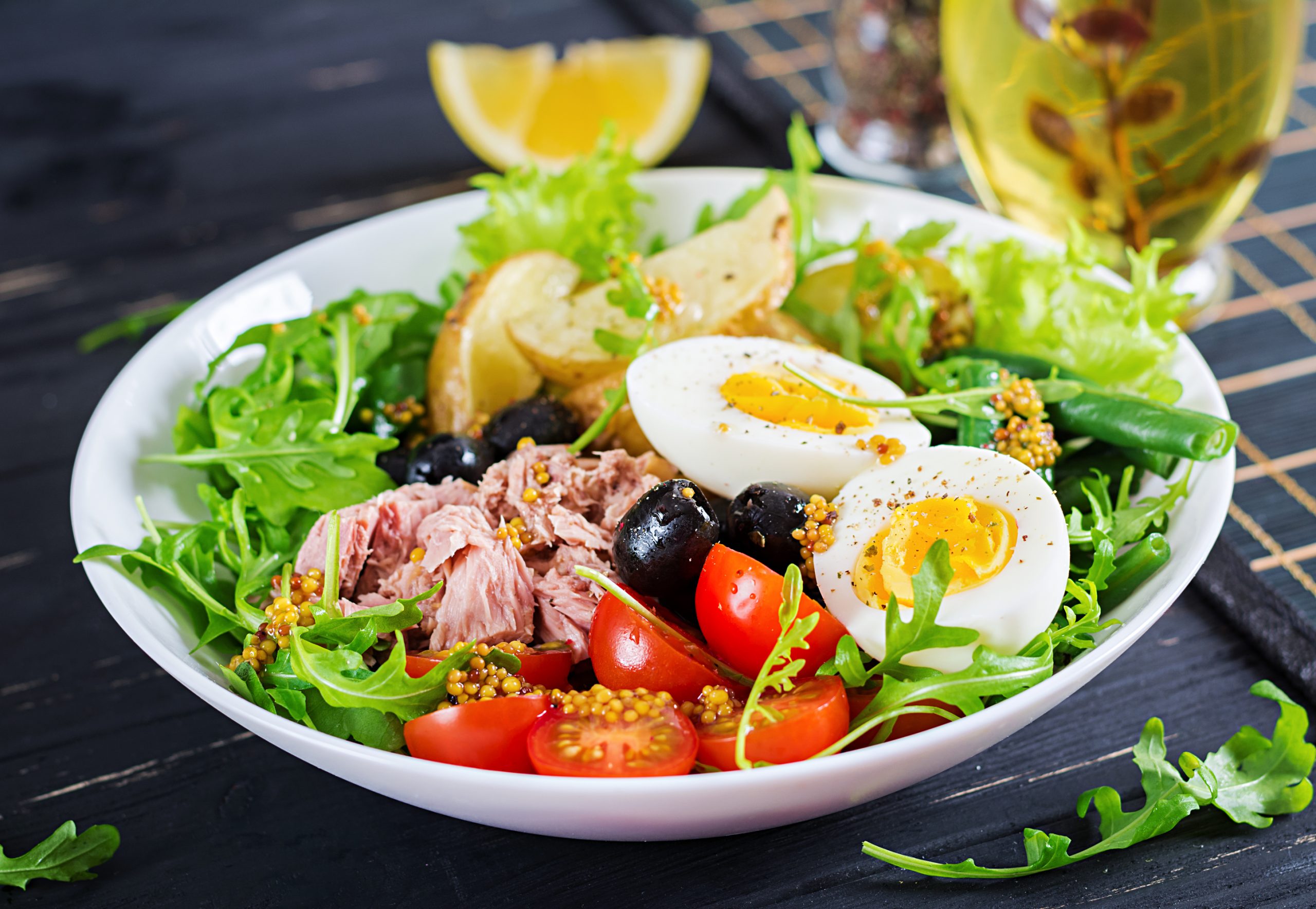
Image by timolina on Freepik

According to dietitians, a keto diet can help you lose up to 10% of your body weight. These high-fat, low-carb diets fool the body into thinking it is burning its own fat. They may also aid in the treatment of a number of malignancies by depriving tumors of the glucose they require to grow. On the surface, this appears to be wonderful. However, evidence reveals that these diets may have a fatal unintended consequence for cancer patients.
Keto diet increases a deadly wasting illness termed cachexia in rats with pancreatic and colorectal cancer. Cachexia patients and mice exhibit loss of appetite, significant weight loss, exhaustion, and immunological suppression. The disease has no effective therapy and kills over 2 million people each year.
“Cachexia results from a wound that doesn’t heal,” Cold Spring Harbor Laboratory (CSHL) Assistant Professor Tobias Janowitz says. “It’s very common in patients with progressive cancer. They become so weak they can no longer handle anti-cancer treatment. Everyday tasks become Herculean labors.”
Janowitz and CSHL Postdoc Miriam Ferrer are aiming to separate the cancer-fighting effects of keto from its potentially fatal adverse effect. They discovered that combining keto with standard medications known as corticosteroids prevented cachexia in cancer mice. The mice survived longer because their tumors reduced. The findings were published in the journal Cell Metabolism.
“Healthy mice also lose weight on keto, but their metabolism adapts and they plateau,” Janowitz explains. “Mice with cancer can’t adapt, because they can’t make enough of a hormone called corticosterone that helps regulate keto’s effects. They don’t stop losing weight.”
Through a mechanism known as ferroptosis, keto causes harmful lipid byproducts to collect in and kill cancer cells. This decreases tumor growth while also causing cachexia. When the deficient hormone was restored with a corticosteroid, keto still shrank tumors but did not initiate cachexia.
“Cancer is a whole-body disease. It reprograms normal biological processes to help it grow,” Ferrer says. “Because of this reprogramming, mice can’t use the nutrients from a keto diet, and waste away. But with the steroid, they did much better. They lived longer than with any other treatment we tried.”
Janowitz and Ferrer are working on cancer cachexia as part of a worldwide Cancer Grand Challenges collaboration. They recently released a comprehensive review of the disorder. The team is now aiming to optimize corticosteroid timing and dosage in order to broaden the window for successful cancer therapy in conjunction with keto.
“We want to push back against cancer even harder, so it grows slower still,” Janowitz says. “If we can broaden this effect, make the treatment more efficient, we can ultimately benefit patients and improve cancer therapeutics.”

 Gamma Oscillations Restored in Alzheimer’s Disease Mice
Key takeaways Researchers restored parvalbumin (PV).
 Coffee Consumption Linked to Lower Recurrent VTE Risk
Key points at a glance Study.
 Body Roundness Index Linked to Higher Heart Attack Risk
Key findings at a glance Study.
 Maternal Diet Fails to Reduce Infant Egg and Peanut Allergy
Key Points A large Australian randomized.
 Visual Impairment Linked to Higher Dementia Risk
Key findings at a glance A.
 Long-Acting HIV Treatment May Help Drug-Resistant Cases
Key Takeaways A UCSF study found.
 Night Shift Work Alters Key Circadian Gene Expression
A recent study published in Frontiers.
 Tirzepatide Weight Loss: Fat Mass and Muscle Findings
Key points Tirzepatide was associated with.
 Coffee and Gut Microbiome: Brewing and Metabolic Effects
Key Points Coffee contains caffeine, chlorogenic.
 Low-Dose Radiation Therapy Shows Promise in Early Knee OA
Key Points Low-dose radiation therapy was.
Leave a Comment