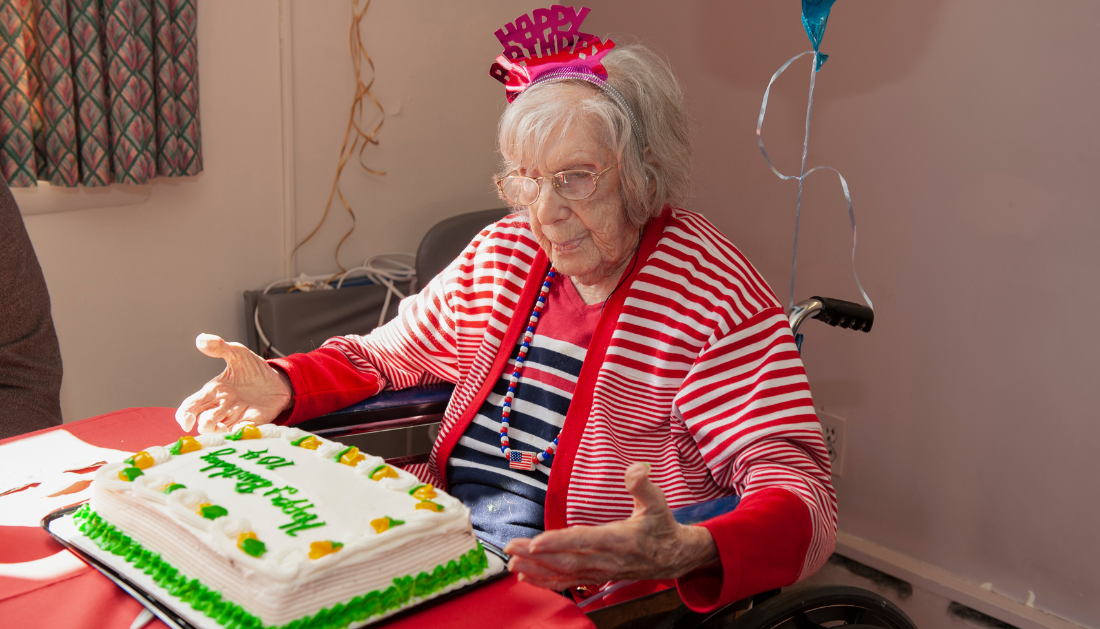
Immune Health Strategies Inspired by Centenarians

A groundbreaking study published in eBioMedicine sheds light on how centenarians maintain robust immune systems well into their 100s. Researchers found that these individuals exhibit a unique balance of immune cells that support cytotoxic defense while minimizing harmful inflammation. This discovery provides a foundation for developing therapies that counteract age-related immune decline, improving infection control and cancer resistance in older adults.
The study compared the immune profiles of centenarians (CENs), their offspring (COs), and younger community controls (CTs) across three cohorts in China and Japan. By integrating single-cell RNA sequencing (scRNA-seq), mass cytometry (CyTOF), and flow cytometry, the team created a comprehensive multi-omics atlas of aging immunity.
Results showed that centenarians have fewer B cells and helper T cells but significantly higher levels of natural killer (NK) cells and cytotoxic T cells. These cells play a vital role in detecting and destroying infected or cancerous cells. Importantly, NK cells in centenarians displayed “youthful” characteristics, including efficient receptor patterns and signaling pathways.
The study also identified that centenarians maintain strong communication between NK and T cells through MHC-I, CD99, and MIF pathways, enhancing immune coordination. Interestingly, RUNX3, a transcription factor linked to cytotoxic activity, was found at higher levels in NK and CD4-positive T cells, suggesting a potential therapeutic target for boosting immune defense in older populations.
These findings challenge the traditional view that the aging immune system simply declines. Instead, centenarians exhibit a streamlined, highly functional immune network that prioritizes surveillance and protection over excessive inflammation. Clinically, this knowledge could guide the design of vaccines, adjuvants, and immune-based therapies aimed at preserving cytotoxic immunity and preventing chronic infections and cancer in aging adults.
Future research will focus on translating these insights into practical interventions to extend healthspan and improve the quality of life for older individuals.
Wang, B., Zhang, Z., Ouyang, Q., Zhang, M., Duan, M., Hu, H., Zhang, Q., Jin, X., Zhang, J., Luo, Q., Sun, D., Li, H., Qu, Z., Chen, X., Gu, Z., & Chen, Y. A comprehensive single-cell atlas of three centenarian cohorts unveils unique natural killer cell signatures and enhanced mutual interactions among peripheral immune cells. eBioMedicine. 120. DOI: 10.1016/j.ebiom.2025.105922, https://www.thelancet.com/journals/ebiom/article/PIIS2352-3964(25)00366-4/fulltext

 Gamma Oscillations Restored in Alzheimer’s Disease Mice
Key takeaways Researchers restored parvalbumin (PV).
 Coffee Consumption Linked to Lower Recurrent VTE Risk
Key points at a glance Study.
 Body Roundness Index Linked to Higher Heart Attack Risk
Key findings at a glance Study.
 Maternal Diet Fails to Reduce Infant Egg and Peanut Allergy
Key Points A large Australian randomized.
 Visual Impairment Linked to Higher Dementia Risk
Key findings at a glance A.
 Long-Acting HIV Treatment May Help Drug-Resistant Cases
Key Takeaways A UCSF study found.
 Night Shift Work Alters Key Circadian Gene Expression
A recent study published in Frontiers.
 Tirzepatide Weight Loss: Fat Mass and Muscle Findings
Key points Tirzepatide was associated with.
 Coffee and Gut Microbiome: Brewing and Metabolic Effects
Key Points Coffee contains caffeine, chlorogenic.
 Low-Dose Radiation Therapy Shows Promise in Early Knee OA
Key Points Low-dose radiation therapy was.
Leave a Comment