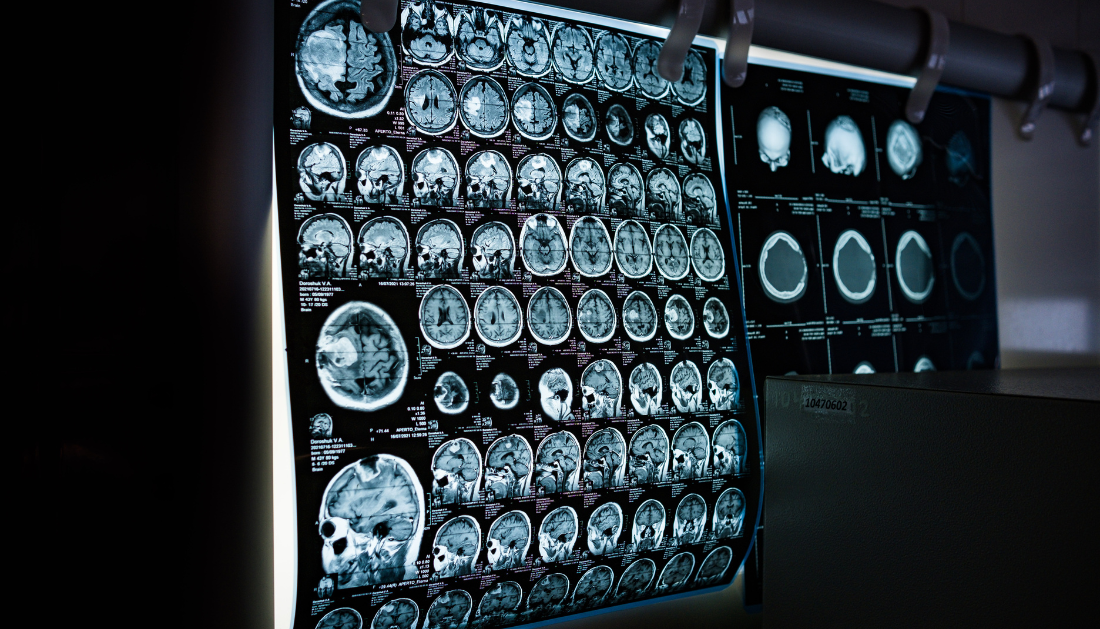
Microplastic Exposure and Parkinson’s Disease: Emerging Neurological Risk

Microplastic exposure and Parkinson’s Disease are now being discussed within the same biological framework. A recent narrative review in npj Parkinson’s Disease synthesizes experimental and mechanistic evidence suggesting that micro- and nanoplastics (MPs/NPs) may interact with core pathological pathways involved in PD.
These microscopic plastic particles, now detected in human blood, liver, and brain tissue, enter the body through ingestion, inhalation, and skin contact. Once internalized, they can cross biological barriers, including the blood–brain barrier, or reach the brain through the olfactory and vagus nerve pathways. Their ability to accumulate in neural tissue positions them as a potential environmental factor in neurodegenerative disease risk.
As global Parkinson’s incidence continues to rise faster than any other neurological disorder, this emerging evidence reframes plastic pollution from an environmental crisis to a potential neurological public health concern.
Mechanistic findings across in vivo, in vitro, and computational models reveal multiple overlapping pathways through which MPs/NPs may contribute to PD pathology:
Nanoplastics interact with hydrophobic regions of alpha-synuclein, accelerating protein aggregation and Lewy body formation. Patient-derived cell models show significant increases in toxic fibril accumulation and reduced lysosomal degradation capacity.
Polystyrene nanoplastics inhibit mitochondrial complex I, reducing ATP production and increasing oxidative stress. This energy failure activates AMPK/ULK1 signaling, triggering excessive mitophagy and neuronal injury, mechanisms strongly associated with dopaminergic neuron loss.
Oral plastic exposure compromises gut barrier integrity, allowing inflammatory mediators and bacterial toxins into circulation. Chronic exposure alters microbiome composition, producing patterns similar to those observed in PD patients, reinforcing the gut–brain signaling link in neurodegeneration.
MPs/NPs impair astrocyte glutamate regulation, promoting excitotoxic neuronal damage. Their capacity to carry heavy metals disrupts iron homeostasis, activating ferroptosis, an iron-dependent cell death pathway implicated in Parkinson’s pathology.
This growing body of evidence establishes biological plausibility for plastic particles as multidimensional neurotoxic agents. While current data remain largely experimental, the convergence of mechanisms, protein aggregation, mitochondrial injury, inflammation, and gut–brain dysfunction aligns directly with established PD biology.
For clinicians, researchers, and public health professionals, this review highlights the need for large-scale prospective human studies integrating environmental exposure data with long-term neurological outcomes. Understanding exposure thresholds and disease risk relationships will be critical for future regulatory frameworks and preventive strategies.
Plastic pollution may no longer be viewed solely as an ecological issue, it is increasingly relevant to neurological disease prevention and population brain health.

 Stroke Rehabilitation: Early High-Intensity Therapy Findings
Key Highlights High-intensity therapy within 2.
 TRPM8 Cold Sensation Mechanism Explained for Pain Care
Quick Summary TRPM8 ion channel converts.
 Gum Recession from Snus Confirmed, Caries Risk Debated
Key Highlights Snus use is strongly.
 Hypertensive Disorders of Pregnancy: Role of Daily Activity
Key Points Summary Limiting sedentary time.
 Climate Change Drives Dengue Outbreaks Globally
Key Takeaways Extreme weather significantly increases.
 Teen Driving Risks: Parents Underestimate Safety Threats
Key Takeaways Teen driving risks remain.
 PFK Enzyme Dual Role in Metabolism and Cell Cycle
Key Highlights Phosphofructokinase (PFK Enzyme) shows.
 Exercise During Chemotherapy Supports Brain Health
Key Points Summary A nationwide clinical.
 Stem Cell Therapies Course for Parkinson’s Disease Clinicians
Key Summary The International Society for.
 Invasive Cosmetic Procedures Raise Patient Safety Concerns
Key Summary Experts publishing in The.
Leave a Comment