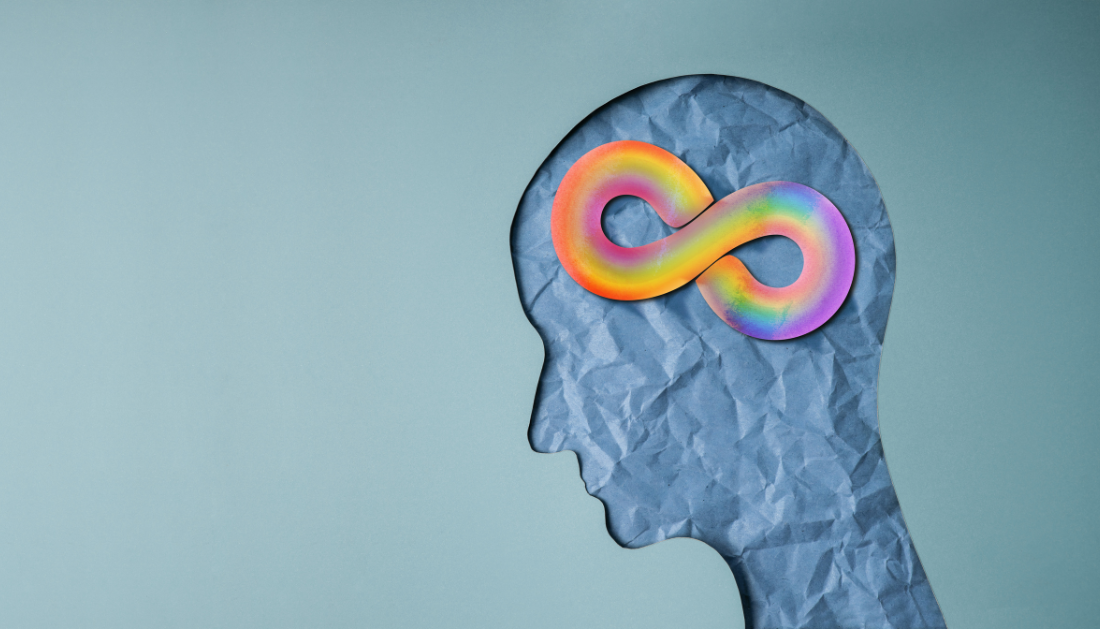
NeuroBridge AI Tool Improves Autism Communication

The NeuroBridge AI tool, developed by researchers at Tufts University, introduces a new direction in autism communication support, training neurotypical individuals to communicate more clearly with autistic people.
Autistic and neurotypical individuals often process language, tone, and intent differently. While neurotypical communication relies heavily on indirect phrasing, tone, and inference, autistic communication often favors clarity, precision, and literal interpretation. These differences can lead to misunderstandings in healthcare, education, workplaces, and social settings.
Rather than asking autistic people to adapt to neurotypical norms, NeuroBridge reverses the approach, helping neurotypical users recognize and adjust their own communication patterns.
NeuroBridge uses large language models to simulate real conversational scenarios personalized for each user. At key points, the system presents three phrasing options that share meaning but differ in clarity and structure.
The platform explains how some responses may create ambiguity, while others promote direct understanding. This design is based on Gricean maxims, which emphasize clarity, relevance, brevity, and order in conversation.
In pilot testing with 12 participants, many users reported realizing how often their everyday phrasing could unintentionally confuse autistic listeners. The system’s feedback helped users recognize how subtle linguistic choices influence interpretation.
This approach supports healthcare professionals, educators, caregivers, and employers seeking better autism communication strategies without placing cognitive burden on autistic individuals.
The NeuroBridge project is grounded in the social model of disability, which views disability as a mismatch between individuals and their environment rather than a personal deficit.
The system was developed with continuous input from autistic volunteers, improving both design sensitivity and real-world relevance. According to the research team, NeuroBridge encourages mutual understanding, respect for neurodiverse communication styles, and healthier interaction dynamics.
For healthcare providers and nurses, this model offers practical relevance, supporting patient communication, interdisciplinary teamwork, and inclusive care delivery.
Tufts University is exploring broader campus adoption of NeuroBridge to support neurodiverse students and staff. Researchers are also evaluating scalable models to assess long-term impact across educational and clinical settings.
As AI learning tools increasingly enter healthcare and accessibility spaces, NeuroBridge demonstrates how technology can support inclusion through communication awareness rather than behavioral conformity.

 Stroke Rehabilitation: Early High-Intensity Therapy Findings
Key Highlights High-intensity therapy within 2.
 TRPM8 Cold Sensation Mechanism Explained for Pain Care
Quick Summary TRPM8 ion channel converts.
 Gum Recession from Snus Confirmed, Caries Risk Debated
Key Highlights Snus use is strongly.
 Hypertensive Disorders of Pregnancy: Role of Daily Activity
Key Points Summary Limiting sedentary time.
 Climate Change Drives Dengue Outbreaks Globally
Key Takeaways Extreme weather significantly increases.
 Teen Driving Risks: Parents Underestimate Safety Threats
Key Takeaways Teen driving risks remain.
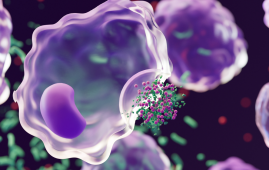 PFK Enzyme Dual Role in Metabolism and Cell Cycle
Key Highlights Phosphofructokinase (PFK Enzyme) shows.
 Exercise During Chemotherapy Supports Brain Health
Key Points Summary A nationwide clinical.
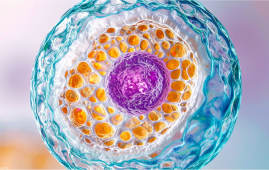 Stem Cell Therapies Course for Parkinson’s Disease Clinicians
Key Summary The International Society for.
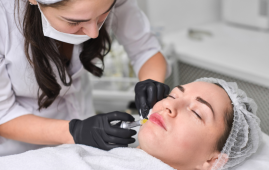 Invasive Cosmetic Procedures Raise Patient Safety Concerns
Key Summary Experts publishing in The.
Leave a Comment