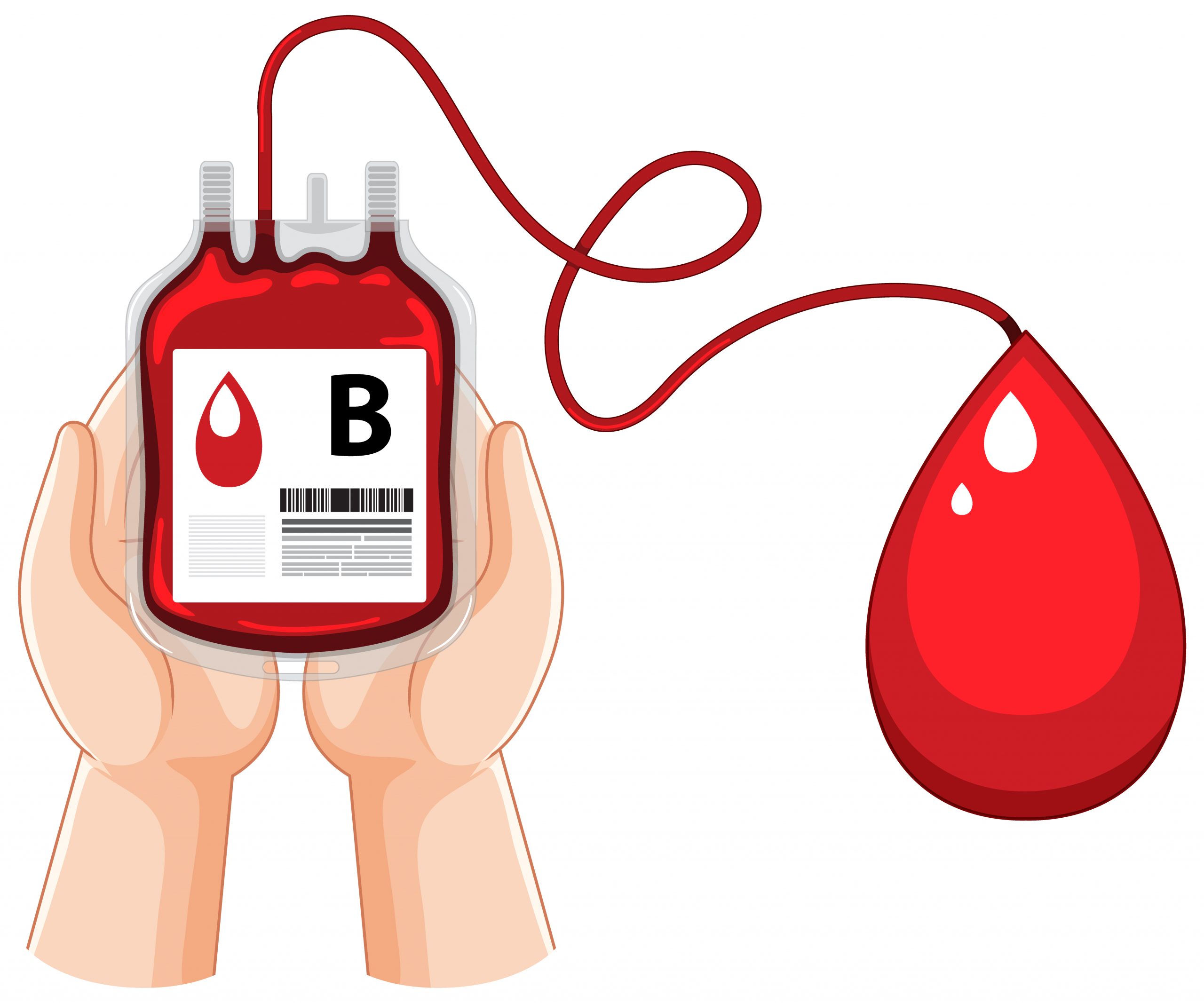
Image by brgfx on Freepik

According to an interdisciplinary team of partners across the United States that includes leaders at the University of Minnesota Medical School, the new technology could transform present blood storage and quality monitoring techniques, enabling improved patient matching and outcomes during blood transfusions. The project, which was directed by scientists from Massachusetts General Hospital, was just published in the PNAS journal.
”Blood transfusion could be transformed by the technology we recommend,” said Susan M. Wolf, JD, a professor of law and medicine at the U of M Medical School and Law School and one of the article’s co-authors.
The current techniques for storing and monitoring blood can be improved with lab-on-a-chip technology and machine learning. This is accomplished by enabling more accurate measurements to evaluate the standard of blood units kept in storage and better match patients with blood units that are available for blood transfusions. The authors claim that very unwell patients, those requiring ongoing transfusions, and those undergoing major procedures may require these cutting-edge technologies in particular.
The report not only outlined a roadmap for suggested modifications to the current system, it also underlined the necessity of ongoing cooperation among scientists, engineers, ethicists, specialists in artificial intelligence, patients, and industry partners to improve current practices.
An interdisciplinary team working on the Engineering Research Center (ERC) for Advanced Technologies for the Preservation of Biological Systems (ATP-BioSM), which is supported by the National Science Foundation, wrote this PNAS publication.
“ATP-BioSM is proud to be part of this work that outlines the future of diagnostics in a blood product. This points the way for microfluidic technologies to improve the use of preserved cell therapy products for better patient outcomes,” said John Bischof, PhD, director of the ERC and the Institute for Engineering in Medicine.
The $26 million NSF grant funding for ATP-BioSM (EEC-1941543) and multiple NIH awards helped to fund this PNAS research in part. Bischof, Wolf, who also chairs the university’s Consortium on Law and Values in Health, Environment, and the Life Sciences, and David McKenna, MD, director of the medical school’s Division of Transfusion Medicine, are researchers from the University of Minnesota Medical School who have contributed to this groundbreaking work. At Massachusetts General Hospital, Ziya Isiksacan, PhD, and Osman Berk Usta, PhD, are the senior and primary authors of this article.

 Gamma Oscillations Restored in Alzheimer’s Disease Mice
Key takeaways Researchers restored parvalbumin (PV).
 Coffee Consumption Linked to Lower Recurrent VTE Risk
Key points at a glance Study.
 Body Roundness Index Linked to Higher Heart Attack Risk
Key findings at a glance Study.
 Maternal Diet Fails to Reduce Infant Egg and Peanut Allergy
Key Points A large Australian randomized.
 Visual Impairment Linked to Higher Dementia Risk
Key findings at a glance A.
 Long-Acting HIV Treatment May Help Drug-Resistant Cases
Key Takeaways A UCSF study found.
 Night Shift Work Alters Key Circadian Gene Expression
A recent study published in Frontiers.
 Tirzepatide Weight Loss: Fat Mass and Muscle Findings
Key points Tirzepatide was associated with.
 Coffee and Gut Microbiome: Brewing and Metabolic Effects
Key Points Coffee contains caffeine, chlorogenic.
 Low-Dose Radiation Therapy Shows Promise in Early Knee OA
Key Points Low-dose radiation therapy was.
Leave a Comment