
Oligometastatic Pancreatic Cancer Gets First Definition

For years, metastatic pancreatic cancer has been considered a stage where curative local treatments, such as surgery, are rarely pursued. Once cancer spreads beyond the pancreas, systemic chemotherapy typically becomes the primary therapeutic option.
However, emerging research has identified a subset of patients with limited metastatic disease, known as oligometastatic pancreatic cancer, who may benefit from combined treatment approaches.
To address the lack of a standardized definition, an international panel of 55 experts across five medical specialties recently established the first consensus criteria through the OligoPanc project. Their findings were published in the leading oncology journal The Lancet Oncology.
According to the expert panel, oligometastatic pancreatic cancer is defined as:
This definition provides clinicians with a clearer framework for identifying patients who may be candidates for combined treatment strategies.
The consensus emphasizes the importance of comprehensive imaging and multidisciplinary evaluation for accurate diagnosis.
Recommended diagnostic tools include:
Experts emphasize that the diagnosis should be confirmed by a multidisciplinary tumor board comprising specialists in surgery, oncology, radiology, and radiation oncology.
This collaborative approach helps determine whether patients meet criteria for an oligometastatic stage and whether local treatment strategies are warranted.
The consensus group also reviewed clinical scenarios to guide treatment decisions.
The panel categorized oligometastatic disease into two clinical scenarios:
Synchronous oligometastasis
Metachronous oligometastasis
These recommendations suggest that selected patients with metastatic pancreatic cancer may benefit from local treatment, a concept that challenges traditional treatment approaches.
Pancreatic cancer remains among the most aggressive malignancies with high mortality. The new consensus definition of oligometastatic pancreatic cancer helps clarify which patients may be suitable for combined systemic and local therapy.
For clinicians and researchers, the standardized criteria offer two key benefits:
As research continues, this consensus may help refine treatment pathways and guide future studies exploring surgical and radiotherapeutic interventions in metastatic pancreatic cancer.

 Type 2 Diabetes Risk Rising in Genetically Susceptible
Quick Summary Rising type 2 diabetes.
 Female Microbiome Shaped by Diet, Stress, Unhealthy Lifestyle
Quick Summary Lifestyle factors significantly influence.
 Transcatheter Valve-in-Valve Improves Mitral Outcomes
Key Highlights Transcatheter mitral valve-in-valve (mVIV).
 Stroke Rehabilitation: Early High-Intensity Therapy Findings
Key Highlights High-intensity therapy within 2.
 TRPM8 Cold Sensation Mechanism Explained for Pain Care
Quick Summary TRPM8 ion channel converts.
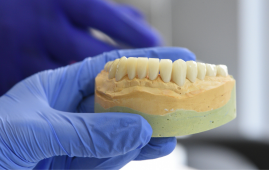 Gum Recession from Snus Confirmed, Caries Risk Debated
Key Highlights Snus use is strongly.
 Hypertensive Disorders of Pregnancy: Role of Daily Activity
Key Points Summary Limiting sedentary time.
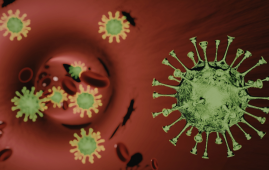 Climate Change Drives Dengue Outbreaks Globally
Key Takeaways Extreme weather significantly increases.
 Teen Driving Risks: Parents Underestimate Safety Threats
Key Takeaways Teen driving risks remain.
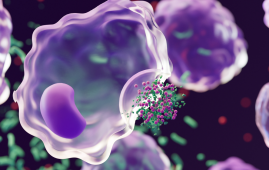 PFK Enzyme Dual Role in Metabolism and Cell Cycle
Key Highlights Phosphofructokinase (PFK Enzyme) shows.
Leave a Comment