
ASF Detection and Control Upgraded in Philippines

The Philippines has unveiled three new technologies to strengthen the detection and management of African Swine Fever (ASF), a highly contagious disease devastating the country’s swine industry. Since 2019, ASF outbreaks have been reported in 76 out of 82 provinces, with six provinces still battling active cases as of last month.
Developed through a collaboration between the Department of Science and Technology (DOST) and BioAssets Corporation, the new interventions include a rapid DNA extraction kit, a real-time detection kit, and a mobile biocontainment laboratory. These tools aim to provide farmers with faster, on-site disease diagnosis and improved outbreak surveillance.
DOST Secretary Renato U. Solidum Jr. emphasized that these initiatives highlight the critical role of science and technology in addressing animal health challenges that threaten food security and the livelihoods of thousands of swine farmers.
While the Philippine government has imported Vietnam’s AVAC ASF LIVE vaccine to curb pig deaths, concerns about its safety have sparked debate among farmers and industry experts. The vaccine, made from the ASFV-G-MGF strain, has faced criticism due to the lack of publicly available trial data.
During a June congressional hearing, Dr. Ferjenel Biron expressed serious reservations about the vaccine’s approval process, noting that two veterinarians had previously deemed it unsafe. Farmer acceptance remains low, with only 5–10% reportedly using the vaccine.
The U.S. Department of Agriculture previously issued a warning about the MGF strain, citing its unstable genome and potential to revert to a more virulent form. Vietnamese officials, however, defend the product, attributing ongoing outbreaks to low vaccination coverage rather than vaccine quality.
With assistance from the UN Food and Agriculture Organization (FAO), the Philippines has adopted a three-pronged strategy focused on prevention, control, and vaccination. Through zoning and checkpoints, over 495 areas have moved from high-risk “red zones” to “pink zones,” signaling reduced infection levels.
FAO representative Lionel Dabbadie stressed the need for a multi-faceted approach combining biosecurity measures, restricted movement of pigs and pork products, and targeted vaccination efforts. He warned that while vaccines are promising, they cannot replace traditional disease control methods such as culling infected animals and strict biosecurity enforcement.

 Gamma Oscillations Restored in Alzheimer’s Disease Mice
Key takeaways Researchers restored parvalbumin (PV).
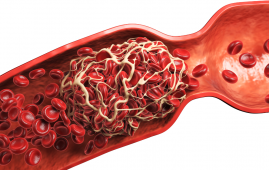 Coffee Consumption Linked to Lower Recurrent VTE Risk
Key points at a glance Study.
 Body Roundness Index Linked to Higher Heart Attack Risk
Key findings at a glance Study.
 Maternal Diet Fails to Reduce Infant Egg and Peanut Allergy
Key Points A large Australian randomized.
 Visual Impairment Linked to Higher Dementia Risk
Key findings at a glance A.
 Long-Acting HIV Treatment May Help Drug-Resistant Cases
Key Takeaways A UCSF study found.
 Night Shift Work Alters Key Circadian Gene Expression
A recent study published in Frontiers.
 Tirzepatide Weight Loss: Fat Mass and Muscle Findings
Key points Tirzepatide was associated with.
 Coffee and Gut Microbiome: Brewing and Metabolic Effects
Key Points Coffee contains caffeine, chlorogenic.
 Low-Dose Radiation Therapy Shows Promise in Early Knee OA
Key Points Low-dose radiation therapy was.
Leave a Comment