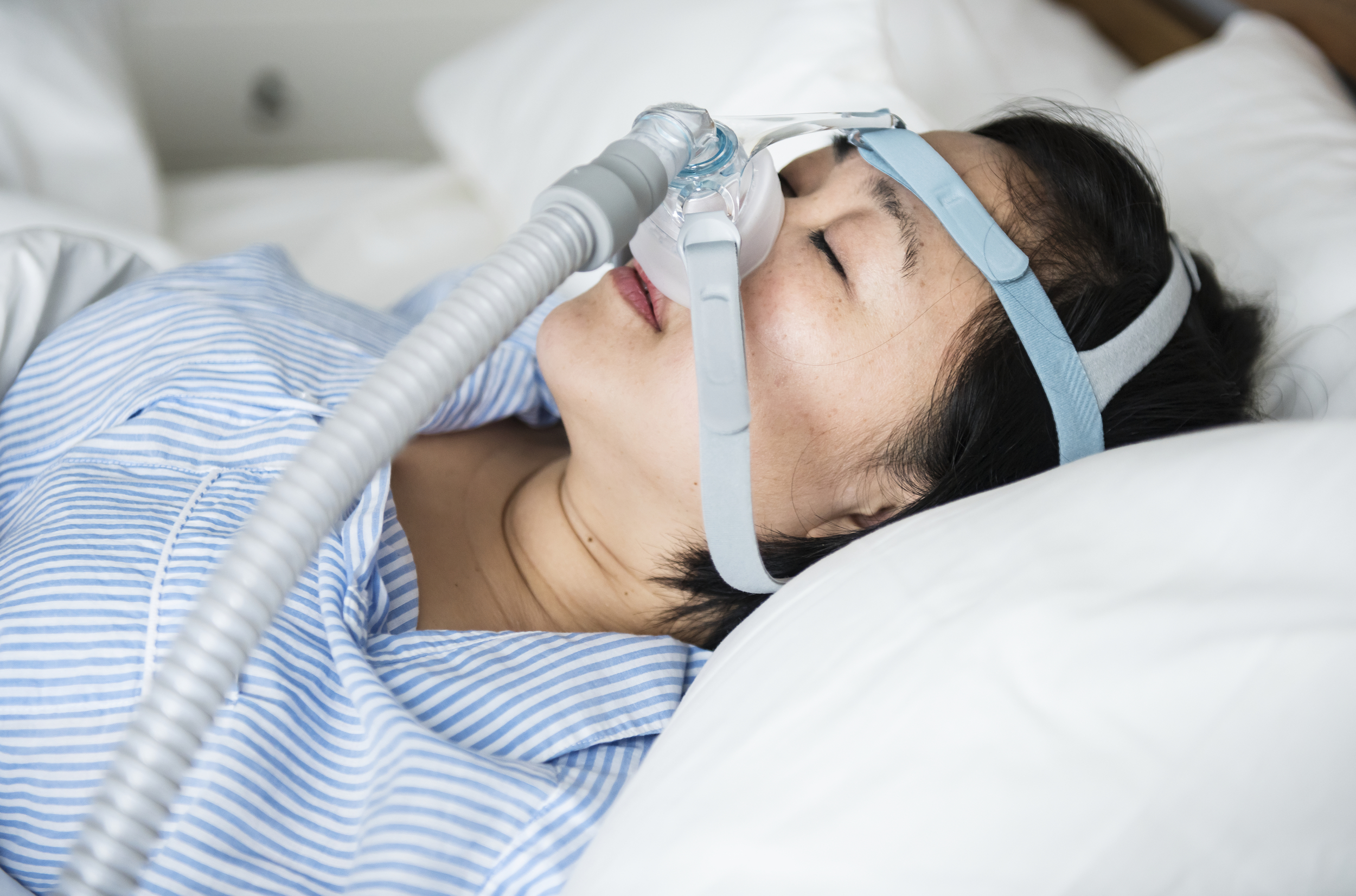
Image by Rawpixel on Freepik

According to a recent study from Columbia University, statins, which lower cholesterol, may prevent heart disease in persons with obstructive sleep apnea, whether or not they use CPAP devices at night. The work has been published in the American Thoracic Society’s Annals publication.
Those with obstructive sleep apnea benefit from CPAP (continuous positive airway pressure) therapy, which enhances sleep quality and lessens daytime weariness. Yet, contrary to what doctors initially believed, CPAP does not improve heart health, according to the results of multiple recent scientific investigations.
Because the illness is known to increase the chance of suffering from a heart attack, stroke, or another catastrophic cardiovascular event, alternative approaches to minimize heart disease in sleep apnea sufferers are urgently needed.
According to a recent study led by Sanja Jelic, MD, associate professor of medicine at Columbia University Vagelos Faculty of Physicians and Surgeons, statins (a type of cholesterol-lowering medication) may be one such approach.
87 individuals with freshly diagnosed obstructive sleep apnea who were receiving CPAP treatment were included in the study. Statins or placebo were administered to the participants in a random order.
Statins, but not CPAP, protected blood vessels from harmful inflammatory changes that take place in persons with the illness, the researchers discovered.
The CD59 protein was the focus of the study because it controls inflammation when it is stable in blood vessels. A prior investigation by Jelic’s lab revealed that when cholesterol levels are low, CD59, which guards cells against complement activity (a collection of proteins that cause inflammation), is more stable. After four weeks of cholesterol-lowering statin medication among study participants, CD59 was stabilized, but not with CPAP alone.
“The effect we found with statins is important,” says Jelic. “Inflammation in the blood vessels is a key step in the progression of cardiovascular disease, so anything that we can do to stabilize CD59 in these patients is likely to be beneficial for heart health.”
However, the researchers also discovered that CPAP raises angiopoietin-2 levels, a different protein linked to inflammation and heart disease. Although elevated angiopoietin-2 has never been observed in CPAP users, it is frequently observed in patients receiving mechanical ventilation. Patients with obstructive sleep apnea in the study had reduced angiopoietin-2 levels after taking statins.
We still believe CPAP is very useful since it improves sleep and reduces daytime fatigue,” Jelic says. “But CPAP also seems to have negative effects on the cardiovascular system. We need to investigate whether we should use more conservative airway pressures or other less-utilized treatments like oral appliances to treat patients with obstructive sleep apnea.”
Before physicians consider using statins to prevent heart disease in their sleep apnea patients, however, clinical trials are needed to confirm that patients using statins will have fewer heart attacks and strokes in the long term, Jelic says.
Currently, statins are prescribed for only 8% to 13% of patients with obstructive sleep apnea.

 Brain-Computer Interface Uses EEG in Unresponsive Patients
Key findings at a glance Mind-controlled.
 Gamma Oscillations Restored in Alzheimer’s Disease Mice
Key takeaways Researchers restored parvalbumin (PV).
 Coffee Consumption Linked to Lower Recurrent VTE Risk
Key points at a glance Study.
 Body Roundness Index Linked to Higher Heart Attack Risk
Key findings at a glance Study.
 Maternal Diet Fails to Reduce Infant Egg and Peanut Allergy
Key Points A large Australian randomized.
 Visual Impairment Linked to Higher Dementia Risk
Key findings at a glance A.
 Long-Acting HIV Treatment May Help Drug-Resistant Cases
Key Takeaways A UCSF study found.
 Night Shift Work Alters Key Circadian Gene Expression
A recent study published in Frontiers.
 Tirzepatide Weight Loss: Fat Mass and Muscle Findings
Key points Tirzepatide was associated with.
 Coffee and Gut Microbiome: Brewing and Metabolic Effects
Key Points Coffee contains caffeine, chlorogenic.
Leave a Comment