New Research Reveals Gut as Key Target for Antidepressants

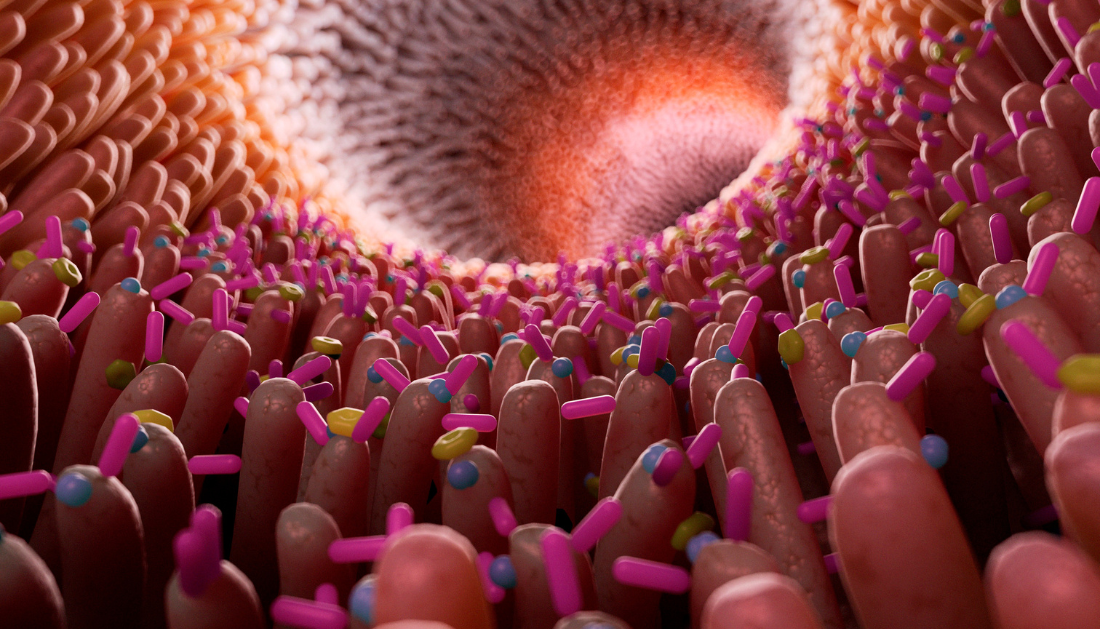
A recent study led by researchers from New York University (NYU) has revealed groundbreaking connections between the gut and brain, offering the potential for more targeted treatments for depression (antidepressants) and anxiety. The findings, published in Gastroenterology, suggest that improving serotonin levels in the gut epithelium could provide relief for mood disorders while minimizing side effects, especially during pregnancy.
The research highlights the gut as a key player in mood regulation, showing that increasing serotonin in the gut’s lining significantly improved anxiety and depression symptoms in animal studies. Furthermore, the study found that pregnant women who used antidepressants, particularly selective serotonin reuptake inhibitors (SSRIs), increased the risk of their babies developing constipation in the first year.
Kara Margolis, director of the NYU Pain Research Center and one of the study’s lead authors, suggests that targeting the gut epithelium with antidepressants might offer advantages over systemic treatments, which can contribute to unwanted gastrointestinal side effects and potential developmental issues in children exposed during pregnancy.
Antidepressants, particularly SSRIs, are widely used to treat anxiety and depression, as well as digestive disorders like irritable bowel syndrome (IBS) and functional constipation. However, while effective, these medications can lead to side effects, including gastrointestinal distress, and, in some cases, exacerbate anxiety, especially early in treatment. Furthermore, SSRIs are known to pass through the placenta, presenting concerns for both maternal and fetal health. Join Innovative Approaches in Psychiatric Care-a cutting edge mental health webinar to delve into the latest trends shaping the future of psychiatric care.
The study involved mouse models, which were genetically modified to lack the serotonin transporter in the gut epithelium. The findings indicated that increased serotonin in the gut led to improvements in mood without the negative effects on digestion and motility seen when the transporter was removed throughout the entire body.
In human studies, researchers followed over 400 pregnant women and their children, with 25% of the women taking antidepressants. The results showed that infants exposed to antidepressants during pregnancy were significantly more likely to develop functional constipation during their first year of life.
Although these findings offer new insights, the researchers stress that this should not immediately alter clinical practices. The known risks of untreated depression during pregnancy must still be considered, and the study encourages further research into selective targeting of serotonin in the gut as a safer alternative for pregnant women.
In conclusion, the study opens promising new possibilities for treating mood disorders, especially during pregnancy, by focusing on the gut epithelium as a targeted and potentially safer treatment site. This approach could lead to more effective therapies with fewer side effects, marking a significant advancement in antidepressant research.
More information: Intestinal Epithelial Serotonin as a Novel Target for Treating Disorders of Gut-Brain Interaction and Mood, Gastroenterology (2024). DOI: 10.1053/j.gastro.2024.11.012. www.gastrojournal.org/article/ … (24)05751-2/abstract

 Brain-Computer Interface Uses EEG in Unresponsive Patients
Key findings at a glance Mind-controlled.
 Gamma Oscillations Restored in Alzheimer’s Disease Mice
Key takeaways Researchers restored parvalbumin (PV).
 Coffee Consumption Linked to Lower Recurrent VTE Risk
Key points at a glance Study.
 Body Roundness Index Linked to Higher Heart Attack Risk
Key findings at a glance Study.
 Maternal Diet Fails to Reduce Infant Egg and Peanut Allergy
Key Points A large Australian randomized.
 Visual Impairment Linked to Higher Dementia Risk
Key findings at a glance A.
 Long-Acting HIV Treatment May Help Drug-Resistant Cases
Key Takeaways A UCSF study found.
 Night Shift Work Alters Key Circadian Gene Expression
A recent study published in Frontiers.
 Tirzepatide Weight Loss: Fat Mass and Muscle Findings
Key points Tirzepatide was associated with.
 Coffee and Gut Microbiome: Brewing and Metabolic Effects
Key Points Coffee contains caffeine, chlorogenic.
Leave a Comment