
Schizophrenia Study: New Brain Network Identified

A new study led by investigators from Brigham and Women’s Hospital has identified a distinct brain network associated with patterns of brain atrophy in schizophrenia. The study, published in Nature Mental Health, combines neuroimaging data from over 8,000 participants across multiple studies, revealing a specific atrophy pattern that is unique to this condition and not seen in other psychiatric conditions.
The research team, led by Dr. Ahmed T. Makhlouf, MD, of the Center for Brain Circuit Therapeutics, found that schizophrenia-related brain atrophy is not localized to isolated brain regions but is connected through a common network. This network includes areas such as the bilateral insula, hippocampus, and fusiform cortex. These findings could guide future clinical trials that will assess brain stimulation sites linked to this schizophrenia-specific network.
The study analyzed data from 90 studies, involving 1,636 patients with newly diagnosed schizophrenia, 2,120 with chronic schizophrenia, and more than 6,000 healthy controls. It also included individuals at high genetic or clinical risk for this disease, helping researchers understand how early-stage brain atrophy may predict the development of the disorder.
By using a technique called coordinate network mapping (CNM), the researchers created a brain map that highlighted overlapping areas of atrophy in affected patients. The resulting network was distinct from those found in patients with other conditions, such as Alzheimer’s disease, major depressive disorder, or substance use disorders. This confirms that the identified network is specific to schizophrenia.
Importantly, the research revealed that this connectivity pattern was consistent across patients at different stages of the disease and those with varying symptoms. Even patients who were on antipsychotic medications showed similar atrophy patterns, indicating that the network is a core characteristic of the disorder.
The findings could inform clinical trials exploring targeted treatments, such as transcranial magnetic stimulation (TMS), aimed at modulating this schizophrenia-specific brain network. Further research into these atrophy patterns, particularly in high-risk individuals, may provide valuable insights into early diagnosis and intervention strategies for this disease.
Dr. Makhlouf concludes, “Our study suggests that schizophrenia may not be a neurodegenerative disorder, but rather a disorder with a unique brain network that could be pivotal for future treatments.” join the International Brain Health Symposium for the latest 2025 neurology updates.
More information: Heterogenous Patterns of Brain Atrophy in Schizophrenia Localize to A Common Brain Network, Nature Mental Health (2024). DOI: 10.1038/s44220-024-00348-5

 Gamma Oscillations Restored in Alzheimer’s Disease Mice
Key takeaways Researchers restored parvalbumin (PV).
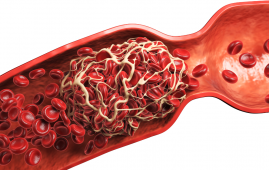 Coffee Consumption Linked to Lower Recurrent VTE Risk
Key points at a glance Study.
 Body Roundness Index Linked to Higher Heart Attack Risk
Key findings at a glance Study.
 Maternal Diet Fails to Reduce Infant Egg and Peanut Allergy
Key Points A large Australian randomized.
 Visual Impairment Linked to Higher Dementia Risk
Key findings at a glance A.
 Long-Acting HIV Treatment May Help Drug-Resistant Cases
Key Takeaways A UCSF study found.
 Night Shift Work Alters Key Circadian Gene Expression
A recent study published in Frontiers.
 Tirzepatide Weight Loss: Fat Mass and Muscle Findings
Key points Tirzepatide was associated with.
 Coffee and Gut Microbiome: Brewing and Metabolic Effects
Key Points Coffee contains caffeine, chlorogenic.
 Low-Dose Radiation Therapy Shows Promise in Early Knee OA
Key Points Low-dose radiation therapy was.
Leave a Comment