
The Buzz About Coffee and Better Cardiovascular Health

A recent review published in Nutrients sheds light on the intriguing relationship between moderate coffee consumption and cardiovascular disease (CVD) prevention. This comprehensive analysis highlights coffee’s potential health benefits, its bioactive compounds, and the need for more research to confirm its effects on heart health.
CVD remains the leading cause of global mortality, accounting for over 17 million deaths annually. Projections suggest this number could reach 23.6 million by 2030. Risk factors include unhealthy diets, smoking, obesity, high cholesterol, and sedentary lifestyles. While dietary approaches like the Mediterranean and DASH diets are well-known for reducing CVD risks, coffee has emerged as a surprising ally in promoting cardiovascular health.
Recent studies suggest that moderate coffee consumption—about three to five cups daily—may lower the risk of CVD, improve arterial function, and reduce mortality rates. Both caffeinated and decaffeinated coffee appear beneficial, though the relationship is complex. Excessive consumption, however, may have neutral or adverse effects.
Coffee’s impact on cardiovascular health extends beyond caffeine. It contains compounds like chlorogenic acids (CGAs), diterpenes, and trigonelline. CGAs may reduce blood pressure and enhance arterial function, while diterpenes can influence cholesterol metabolism. Trigonelline has antioxidant properties that support heart health. These compounds vary based on bean type, roasting, and brewing methods, affecting their cardiovascular benefits.
Caffeine, the most studied component, is metabolized in the liver and can temporarily raise blood pressure in sensitive individuals. However, regular consumption tends to neutralize these effects, making moderate coffee intake safe for most people.
More Information: Farraj, A., Akeredolu, T., Wijeyesekera, A., Mills, C. E. (2024). Coffee and cardiovascular health: a review of the literature. Nutrients. doi:10.3390/nu16244257

 Brain-Computer Interface Uses EEG in Unresponsive Patients
Key findings at a glance Mind-controlled.
 Gamma Oscillations Restored in Alzheimer’s Disease Mice
Key takeaways Researchers restored parvalbumin (PV).
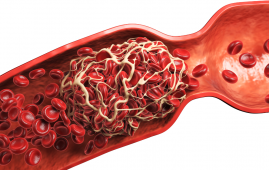 Coffee Consumption Linked to Lower Recurrent VTE Risk
Key points at a glance Study.
 Body Roundness Index Linked to Higher Heart Attack Risk
Key findings at a glance Study.
 Maternal Diet Fails to Reduce Infant Egg and Peanut Allergy
Key Points A large Australian randomized.
 Visual Impairment Linked to Higher Dementia Risk
Key findings at a glance A.
 Long-Acting HIV Treatment May Help Drug-Resistant Cases
Key Takeaways A UCSF study found.
 Night Shift Work Alters Key Circadian Gene Expression
A recent study published in Frontiers.
 Tirzepatide Weight Loss: Fat Mass and Muscle Findings
Key points Tirzepatide was associated with.
 Coffee and Gut Microbiome: Brewing and Metabolic Effects
Key Points Coffee contains caffeine, chlorogenic.
Leave a Comment