
Image by Freepik

Obesity and age are important indicators of the severity of obstructive sleep apnea (OSA) in children, according to a study conducted by UT Southwestern Medical Center and Children’s Health.
The study, which was published in Laryngoscope Investigative Otolaryngology, adds to the growing understanding of obesity’s role in pediatric OSA and its effects on cognitive deficits, impaired academic performance, behavioral problems, and excessive daytime sleepiness, as well as its long-term impact on cardiovascular health.
OSA is a sleep condition defined by recurring upper airway blockage that interferes with breathing and sleep. Full-night polysomnography, which records brain waves, blood oxygen levels, and heart and breathing rates while sleeping, is used to diagnose it.
The standard treatment for pediatric patients is an adenotonsillectomy, which is the surgical removal of the adenoids and tonsils; nevertheless, some children will continue to have residual OSA following surgery.
“OSA is typically considered a condition that affects adults,” said Romaine F. Johnson, M.D., M.P.H., Professor of Otolaryngology – Head and Neck Surgery at UT Southwestern and a pediatric otolaryngologist at Children’s Health, who led the study. “But with growing rates of childhood obesity, we are seeing increasing numbers of pediatric patients with OSA. Our study suggests that higher levels of obesity and advancing age are key contributors to this issue and that efforts to address childhood obesity can have a positive impact in improving sleep quality and reducing the adverse effects of OSA and residual OSA.”
Dr. Johnson’s team first attempted to better understand the association between socioeconomic status (SES) and pediatric OSA by reviewing the medical records of 249 children aged 18 and under who had a polysomnogram and adenotonsillectomy at Children’s Health over a one-year period.
The area deprivation index (ADI), which describes neighborhood-level disadvantages through 17 socioeconomic variables such as education, employment, and poverty measurements, was utilized by the researchers to assess the effect of SES on pediatric OSA.
“We found that neighborhood-level deprivation, as measured by the ADI ranking, was not a predictor of OSA severity or residual OSA after surgery,” Dr. Johnson noted. “However, we did find that severe OSA was associated with obesity and that residual OSA was associated with being older, with adolescents being the most commonly affected.”
Although the study did not find a direct link between SES and OSA severity, Dr. Johnson believes more research into the issue is needed.
“Understanding how socioeconomic status intersects with pediatric OSA is crucial, as social disadvantages can further affect the consequences of poor sleep quality,” added Dr. Johnson, who is also the Director of Quality and Safety for the Department of Otolaryngology at UTSW. “Children who experience both may be at a higher risk and require targeted interventions.”

 Gamma Oscillations Restored in Alzheimer’s Disease Mice
Key takeaways Researchers restored parvalbumin (PV).
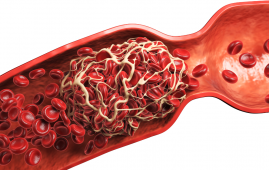 Coffee Consumption Linked to Lower Recurrent VTE Risk
Key points at a glance Study.
 Body Roundness Index Linked to Higher Heart Attack Risk
Key findings at a glance Study.
 Maternal Diet Fails to Reduce Infant Egg and Peanut Allergy
Key Points A large Australian randomized.
 Visual Impairment Linked to Higher Dementia Risk
Key findings at a glance A.
 Long-Acting HIV Treatment May Help Drug-Resistant Cases
Key Takeaways A UCSF study found.
 Night Shift Work Alters Key Circadian Gene Expression
A recent study published in Frontiers.
 Tirzepatide Weight Loss: Fat Mass and Muscle Findings
Key points Tirzepatide was associated with.
 Coffee and Gut Microbiome: Brewing and Metabolic Effects
Key Points Coffee contains caffeine, chlorogenic.
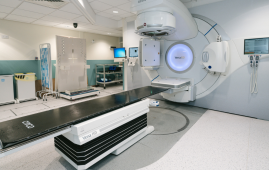 Low-Dose Radiation Therapy Shows Promise in Early Knee OA
Key Points Low-dose radiation therapy was.
Leave a Comment