

New research from the University of Michigan reveals a sobering truth: young adult cancer survivors face lifelong mental health challenges. Despite surviving cancer, many continue battling depression and anxiety well into their later years. While anxiety may level out with age, depression shows a persistent, U-shaped pattern—deepening over time and especially in mid to late adulthood.
Young Adult Cancer Survivors Mental Health Risks
According to the study published in JAMA Network Open, over 2.1 million U.S. cancer survivors who were diagnosed between ages 15–39 experience elevated psychological distress. Researchers analyzed mental health responses from nearly 40,000 participants using data from the Health and Retirement Study, representing over 100 million Americans aged 50+.
Using growth curve models, the study tracked depression and anxiety trajectories in three distinct groups:
-
Those diagnosed with cancer in adolescence or young adulthood
-
Those diagnosed in adulthood
-
Individuals with no cancer history
The results? Depression symptoms among young adult survivors followed a U-shaped curve, worsening in later years, while anxiety symptoms gradually stabilized—suggesting a degree of resilience.
Why Mental Health Support Must Be Ongoing
“The stressors related to cancer experiences leave a lasting mark,” said Dr. Anao Zhang, lead author and U-M social work professor. Issues such as fertility loss, cardiotoxicity, and financial burdens further compound mental health concerns during critical life stages.
Alarmingly, this group reported worse psychological outcomes in middle and older adulthood compared to others, even those diagnosed with cancer later in life. These findings underscore the necessity for long-term mental health care tailored specifically for this population.
The Road Ahead for Survivors and Clinicians
The researchers urge oncologists and care providers to proactively monitor mental health in young cancer survivors—not just during treatment, but long after remission. With the number of survivors rising, so too must our commitment to their quality of life across the lifespan.
For more information: Zhang, A., et al. (2025). Mental Health Trajectories Among US Survivors of Adolescent and Young Adult Cancer as They Age. JAMA Network Open. doi.org/10.1001/jamanetworkopen.2025.11430.

more recommended stories
 Brain-Computer Interface Uses EEG in Unresponsive Patients
Key findings at a glance Mind-controlled.
 Gamma Oscillations Restored in Alzheimer’s Disease Mice
Key takeaways Researchers restored parvalbumin (PV).
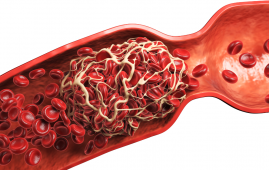 Coffee Consumption Linked to Lower Recurrent VTE Risk
Key points at a glance Study.
 Body Roundness Index Linked to Higher Heart Attack Risk
Key findings at a glance Study.
 Maternal Diet Fails to Reduce Infant Egg and Peanut Allergy
Key Points A large Australian randomized.
 Visual Impairment Linked to Higher Dementia Risk
Key findings at a glance A.
 Long-Acting HIV Treatment May Help Drug-Resistant Cases
Key Takeaways A UCSF study found.
 Night Shift Work Alters Key Circadian Gene Expression
A recent study published in Frontiers.
 Tirzepatide Weight Loss: Fat Mass and Muscle Findings
Key points Tirzepatide was associated with.
 Coffee and Gut Microbiome: Brewing and Metabolic Effects
Key Points Coffee contains caffeine, chlorogenic.
Leave a Comment