Study: Mitochondrial DNA mutations drive aerobic glycolysis to enhance checkpoint blockade in melanoma

Scientists have uncovered an odd discovery that could aid in the identification of people who are up to two and a half times more likely to respond to currently available cancer treatment.
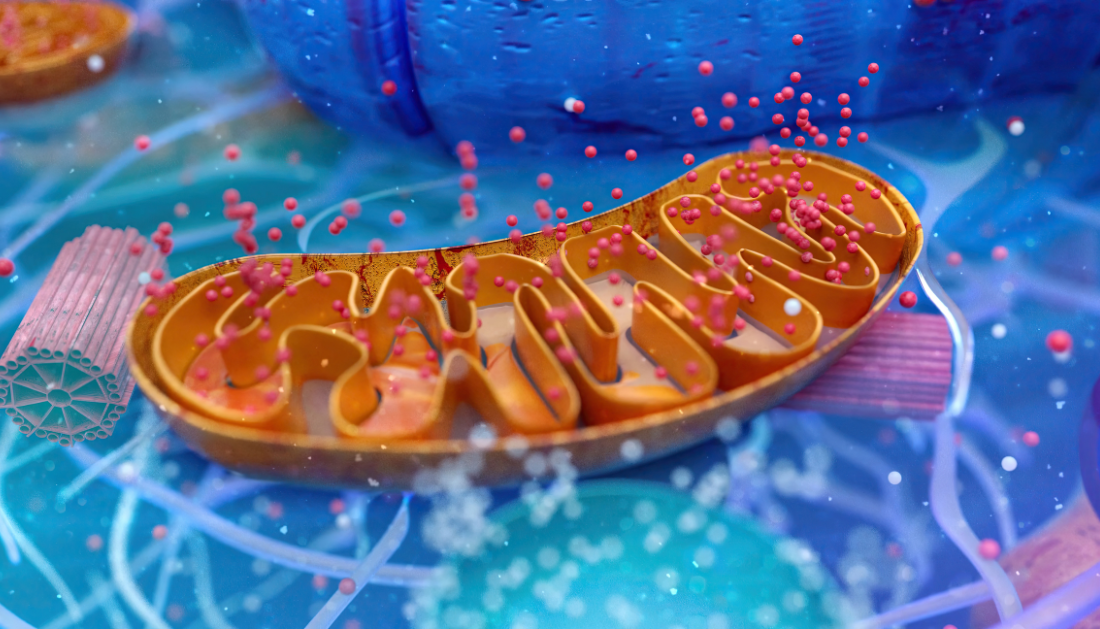
Scientists from the Cancer Research UK Scotland Institute and Memorial Sloan Kettering Cancer Center in the United States have “rewired” the DNA of mitochondria, which are energy producers found in all living cells. They discovered that making mutations in certain regions of this DNA impacts how effectively cancer responds to immunotherapy, which uses the body’s natural defenses to attack cancer cells.
This study opens up new avenues for identifying patients who would benefit the most from immunotherapy by looking for mitochondrial DNA abnormalities. Half of all malignancies contain mitochondrial DNA (mtDNA) mutations, and this study demonstrates for the first time that they can be used to improve cancer treatment.
In the future, combining medicines that mirror the effects of these mutations with immunotherapy may improve the chances of successful cancer treatment for multiple types.
In a publication titled “Mitochondrial DNA mutations drive aerobic glycolysis to enhance checkpoint blockade in melanoma,” published in Nature Cancer, scientists show for the first time a direct link between mitochondrial DNA (mtDNA) mutations and cancer therapy response. Surprisingly, scientists discovered that tumors with high levels of mtDNA mutations are up to 2.5 times more likely to respond to treatment with nivolumab, an immunotherapy medicine.
Nivolumab works by putting a “brake” on the immune system’s ability to assault cancer cells. It is being used to treat a variety of malignancies, including melanoma, lung cancer, liver cancer, and gastrointestinal cancer. The researchers anticipate that in the future, they might routinely test for mitochondrial DNA abnormalities, allowing clinicians to determine which patients will benefit the most from immunotherapy before beginning treatment.
DNA mutations may make treatment-resistant tumors susceptible to immunotherapy, allowing thousands more cancer patients to benefit from this groundbreaking treatment.
Cancer Research Horizons, Cancer Research UK’s innovation arm, has filed patent applications for the technologies that led to the finding. It will assist bring the technology to market, allowing for the development of new medicines that disrupt the energy sources used by cancer to spread and grow. To far, Cancer Research Horizons has introduced 11 novel cancer medications to the market, which have been used in over six million cancer treatment courses globally.
Dr. Payam Gammage, Group Leader at the Cancer Research UK Scotland Institute and the University of Glasgow, and co-lead author of the study, stated, “Cancer is a disease of our own bodies.”Cancer cells might appear to be healthy cells on the outside, making it difficult for human immune systems to recognize and destroy cancer cells.
For more information: Mitochondrial DNA mutations drive aerobic glycolysis to enhance checkpoint blockade in melanoma, Nature Cancer (2024). DOI: 10.1038/s43018-023-00721-w

 Psychedelic-Assisted Psychotherapy: Music in Treatment
Key Takeaways Psychedelic-assisted psychotherapy combines psychedelic.
 Cardiovascular Frailty Links Heart Health and Aging
Key Points Cardiovascular frailty may connect.
 Laser Blended Vision: Simple Test Predicts Success
Key Points A simple phoropter-based test.
 Pink Noise Boosts Brain Waste Clearance During Sleep
Key Points Pink noise delivered during.
 Psilocybin Microdosing Research Raises Key Questions
Key points: Psilocybin microdosing research shows.
 Smoking and Loneliness Linked in Large European Study
Key points: A Europe-wide study of.
 Maternal Illness Linked to Epigenetic Fetal Brain Changes
Maternal illness during pregnancy may influence.
 Rett Syndrome: Carotid Body Linked to Breathing Dysfunction
Key Points Rett syndrome is associated.
 SGLT2 Inhibitors Boost Cardiac Energy Through PANK1
Key Points SGLT2 inhibitors directly activate.
 Daraxonrasib Approved for Metastatic Pancreatic Cancer
Key Points FDA approved daraxonrasib (RASONQUE).
Leave a Comment