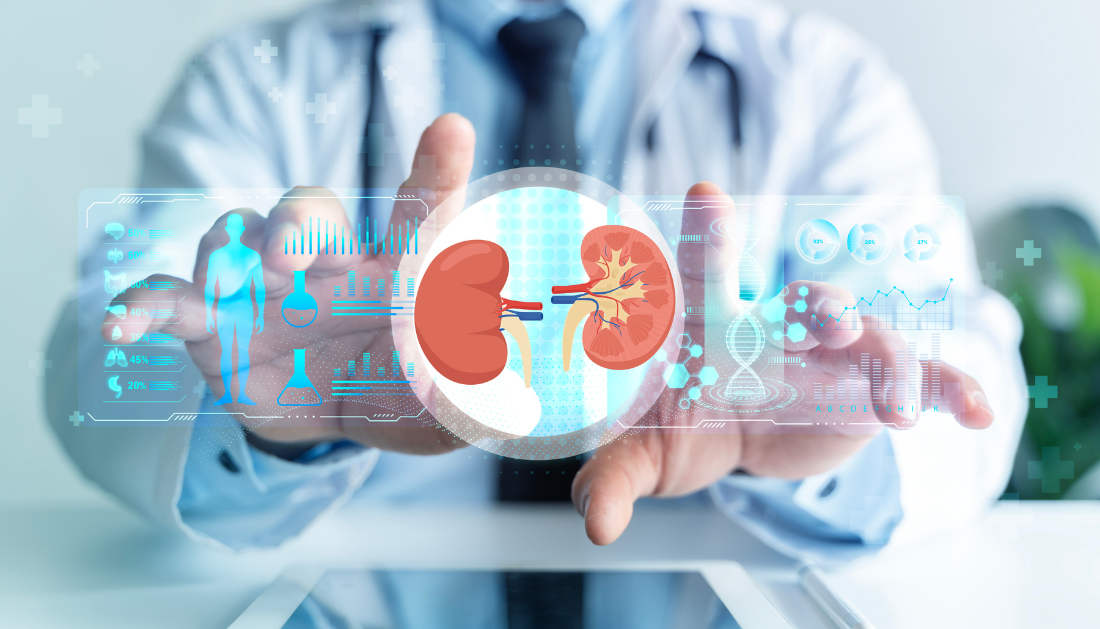
AD-NP1 Kidney Tissue Repair Shows Promise for Renal Regeneration

Researchers at UCLA have reported promising findings that could reshape approaches to regenerative medicine for kidney disease. A monoclonal antibody known as AD-NP1, originally developed to support heart tissue repair after cardiac injury, has demonstrated the ability to enhance kidney tissue repair and regeneration in preclinical studies.
Published in Cell Stem Cell, the study identified ENPP1, a protein produced by injured kidneys, as a key driver of impaired healing. Investigators found that elevated ENPP1 levels trigger a metabolic cascade that disrupts cellular energy production and limits the ability of surrounding healthy cells to regenerate damaged tissue.
The discovery builds on previous cardiovascular research led by UCLA scientist Arjun Deb, whose team previously showed that ENPP1 inhibition improved cardiac healing after injury. The latest findings suggest that the same biological mechanism may influence tissue repair across multiple organs.
To understand ENPP1’s role in renal recovery, researchers examined kidney biopsy samples from patients with chronic kidney disease (CKD). The analysis revealed significantly higher ENPP1 expression in diseased kidney tissue compared with healthy samples.
The team then induced kidney injury in mice through nephrotoxic diets and kidney-damaging medications. Mice genetically unable to produce ENPP1 showed markedly better recovery than control animals. Biomarkers commonly associated with renal dysfunction, including serum creatinine, blood urea nitrogen (BUN), and cystatin C, declined substantially within four weeks, indicating improved kidney function.
Researchers subsequently administered AD-NP1 to mice with induced kidney injury. Within seven days, treated animals demonstrated better renal performance and significantly less fibrotic scarring. Histological analyses also showed increased proliferation of kidney cells involved in tissue repair.
These findings suggest that blocking ENPP1 may remove metabolic barriers that prevent damaged kidneys from regenerating effectively.
The potential implications extend beyond acute injury. Chronic kidney disease affects millions worldwide and often progresses due to persistent inflammation and fibrosis. By reducing scar formation and promoting cellular regeneration, AD-NP1 could offer a novel therapeutic pathway to restore tissue function rather than merely slow disease progression.
Importantly, AD-NP1 is a laboratory-engineered monoclonal antibody designed to specifically target human ENPP1 without affecting other proteins. The therapy recently received FDA authorization for Phase 1 clinical evaluation in cardiac applications, marking an important milestone in its translational development.
While human efficacy studies remain necessary, the results provide encouraging evidence that regenerative therapies targeting ENPP1 may benefit both cardiovascular and renal medicine. Researchers are now planning future clinical investigations to determine whether the therapy can safely improve outcomes in patients with kidney disease.
For nephrologists, regenerative medicine specialists, and healthcare professionals involved in kidney care, AD-NP1 represents an emerging area of interest with potential implications for the management of renal injury and chronic kidney disease.

 Gamma Oscillations Restored in Alzheimer’s Disease Mice
Key takeaways Researchers restored parvalbumin (PV).
 Long-Acting HIV Treatment May Help Drug-Resistant Cases
Key Takeaways A UCSF study found.
 Coffee and Gut Microbiome: Brewing and Metabolic Effects
Key Points Coffee contains caffeine, chlorogenic.
 Low-Dose Radiation Therapy Shows Promise in Early Knee OA
Key Points Low-dose radiation therapy was.
 GLP-1 Health Information: Quality, Completeness, & Engagement
Key Points A study assessed 128.
 DNA Damage Response May Drive Biological Aging
Key Points Chronic DNA damage response.
 Psychedelic-Assisted Psychotherapy: Music in Treatment
Key Takeaways Psychedelic-assisted psychotherapy combines psychedelic.
 Cardiovascular Frailty Links Heart Health and Aging
Key Points Cardiovascular frailty may connect.
 Laser Blended Vision: Simple Test Predicts Success
Key Points A simple phoropter-based test.
 Smoking and Loneliness Linked in Large European Study
Key points: A Europe-wide study of.
Leave a Comment