
Daraxonrasib: New RAS-Targeted Pancreatic Cancer Therapy

Daraxonrasib marks a significant change in the treatment landscape for metastatic pancreatic adenocarcinoma, particularly pancreatic ductal adenocarcinoma (PDAC). The FDA approved the oral RAS(ON) multiselective inhibitor after evidence showed longer survival and improved disease control compared with standard chemotherapy.
RAS signaling plays a central role in pancreatic tumor growth. More than 90% of pancreatic cancers harbor activating RAS mutations, making this pathway an important therapeutic target. Daraxonrasib targets RAS proteins in their active state and is designed to inhibit multiple RAS variants rather than a single mutation.
The randomized, open-label phase 3 RASolute 302 trial included 500 patients with metastatic pancreatic adenocarcinoma whose disease progressed after one prior line of systemic therapy. Participants received either daraxonrasib or physician-selected standard-of-care chemotherapy.
Daraxonrasib produced a median overall survival of 13.2 months, compared with 6.7 months with chemotherapy, corresponding to a hazard ratio for death of 0.40. Median progression-free survival was 7.2 months versus 3.6 months, while the objective response rate was 30% versus 11%.
The trial findings, published in the New England Journal of Medicine, demonstrated statistically significant improvements in overall survival, progression-free survival, and objective response rate with daraxonrasib.
For medical oncologists, oncology nurses, gastroenterologists, and other cancer-care professionals, the approval introduces a new targeted treatment option for previously treated metastatic pancreatic cancer. Patient selection, treatment history, RAS biology, and toxicity monitoring will be important considerations in clinical practice.
Common treatment-related adverse events reported in earlier studies included rash, diarrhea, nausea, stomatitis or mucositis, vomiting, and fatigue. The FDA prescribing information also includes warnings for dermatologic and soft-tissue toxicity, stomatitis and oral disorders, diarrhea, gastrointestinal perforation, interstitial lung disease/pneumonitis, and embryo-fetal toxicity.
For HCPs managing metastatic pancreatic cancer, understanding RAS-directed treatment, molecular testing, efficacy data, and adverse-event management will be increasingly relevant as daraxonrasib enters clinical practice.

 Nicotine E-Cigarettes Help More Smokers Quit Than NRT
Key Points Nicotine e-cigarettes helped more.
 AI Identifies Key Gene Driving Hematopoietic Stem Cell Aging
Key Points AI analysis identified Pbx1.
 Intravenous Iron Improves Recovery After Heart Surgery
Key points A large multicenter randomized.
 Childhood Epilepsy Linked to Lower Educational Achievement
Key Takeaways Childhood epilepsy was associated.
 Laser Treatment for Glioblastoma Shows Survival Benefit
Key Points A multicenter analysis of.
 Malaria Vaccination Turns Mosquito Bites Into Immune Boosters
Key takeaways: WEHI researchers developed a.
 Inhaled Cannabis Linked to Fewer Premature Heartbeats
Key Points Habitual cannabis users had.
 Lead Exposure in Indoors and Contamination in Soil
Key Points Lead contamination in soil.
 Early-Life Stress Linked to Lasting Brain Epigenetic Changes
Key Points Early-life stress (ELS) increased.
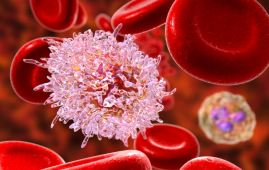 Autophagy Modulation in Cisplatin-Resistant Gastric Cancer
Key Takeaways Autophagy modulation is emerging.
Leave a Comment