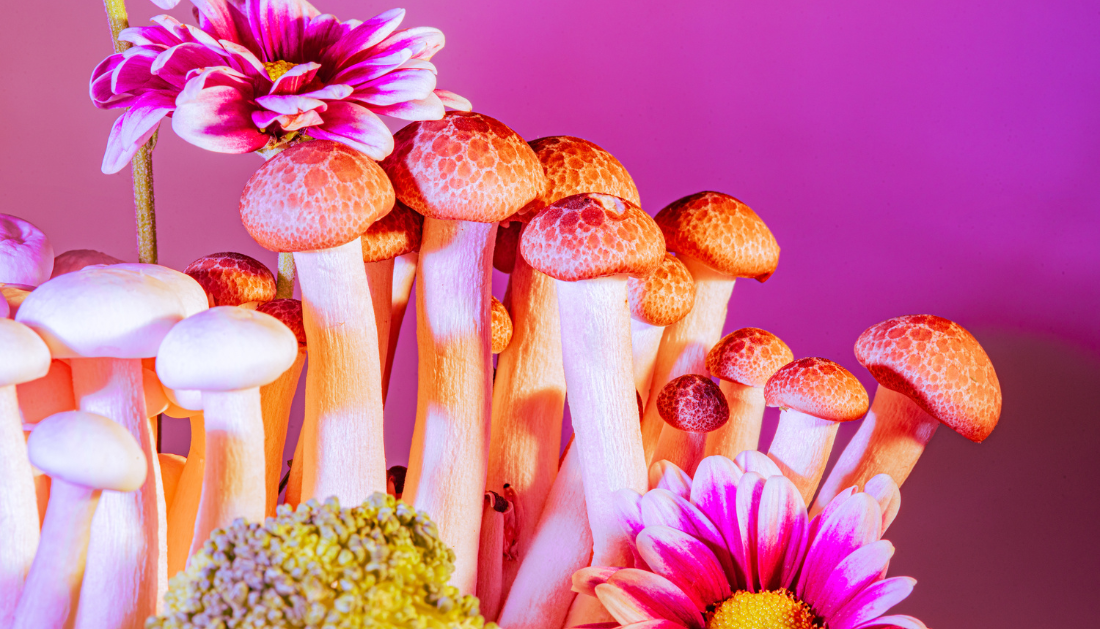
Psilocybin Microdosing: Evidence Remains Inconclusive

Psilocybin microdosing involves repeatedly taking small, generally sub-perceptual amounts of psilocybin-containing mushrooms or truffles. Interest in the practice has grown because of reported effects on mood, focus, creativity, anxiety, and everyday functioning.
However, evidence from full-dose psychedelic-assisted therapy should not automatically apply to microdosing. Most therapeutic psilocybin research uses perceptible doses within structured clinical settings, often alongside psychotherapy.
A systematic review published in Frontiers in Psychiatry examined the available evidence specifically on psilocybin mushroom and truffle microdosing in adults. Researchers searched CINAHL, OVID, ProQuest, PsycINFO, PubMed, and Scopus, with the search updated through June 2026.
The researchers identified 897 references and ultimately included 11 studies published between 2018 and 2024, representing 3,262 participants. Five studies used quantitative methods, including randomized and placebo-controlled designs, while six used qualitative approaches.
Eight studies reported at least one perceived benefit, including improvements in well-being, mood, energy, sleep, anxiety, depression, focus, motivation, creativity, empathy, and social connection. Some reports also described effects on physical functioning and sensory perception.
Yet the findings were far from consistent. Some studies found no significant improvement, while others reported negative outcomes such as mental confusion, reduced inhibitory control, or psychosis-like experiences. One report also described suicidal ideation, panic attacks, intense anxiety, sensory distortion, and worsening of Crohn’s disease at higher doses.
Importantly, 86% of reported motivations for microdosing were non-medical, while only 14% related to medical diagnoses, primarily mental health conditions.
The review does not establish psilocybin microdosing as an effective or safe treatment for depression, anxiety, cognitive concerns, or other health conditions. Researchers highlighted small and uneven samples, heterogeneous dosing protocols, reliance on self-reported outcomes, and high or unclear risk of bias.
For HCPs and nurses, these findings reinforce the importance of asking patients about psychedelic use and discussing potential risks without assuming that anecdotal benefits reflect clinical efficacy.
What are the next research priorities for psilocybin microdosing? Researchers recommend well-designed randomized controlled trials, standardized dosing protocols, diverse clinical populations, and comprehensive adverse-event monitoring to determine whether reported benefits represent genuine pharmacological effects or are partly driven by expectancy and placebo responses.

 Maternal Illness Linked to Epigenetic Fetal Brain Changes
Maternal illness during pregnancy may influence.
 SGLT2 Inhibitors Boost Cardiac Energy Through PANK1
Key Points SGLT2 inhibitors directly activate.
 Daraxonrasib Approved for Metastatic Pancreatic Cancer
Key Points FDA approved daraxonrasib (RASONQUE).
 Nicotine E-Cigarettes Help More Smokers Quit Than NRT
Key Points Nicotine e-cigarettes helped more.
 AI Identifies Key Gene Driving Hematopoietic Stem Cell Aging
Key Points AI analysis identified Pbx1.
 Intravenous Iron Improves Recovery After Heart Surgery
Key points A large multicenter randomized.
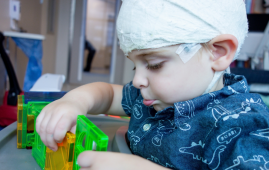 Childhood Epilepsy Linked to Lower Educational Achievement
Key Takeaways Childhood epilepsy was associated.
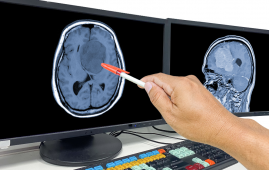 Laser Treatment for Glioblastoma Shows Survival Benefit
Key Points A multicenter analysis of.
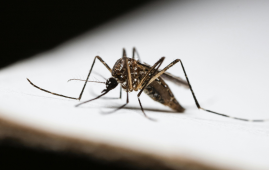 Malaria Vaccination Turns Mosquito Bites Into Immune Boosters
Key takeaways: WEHI researchers developed a.
 Inhaled Cannabis Linked to Fewer Premature Heartbeats
Key Points Habitual cannabis users had.
Leave a Comment