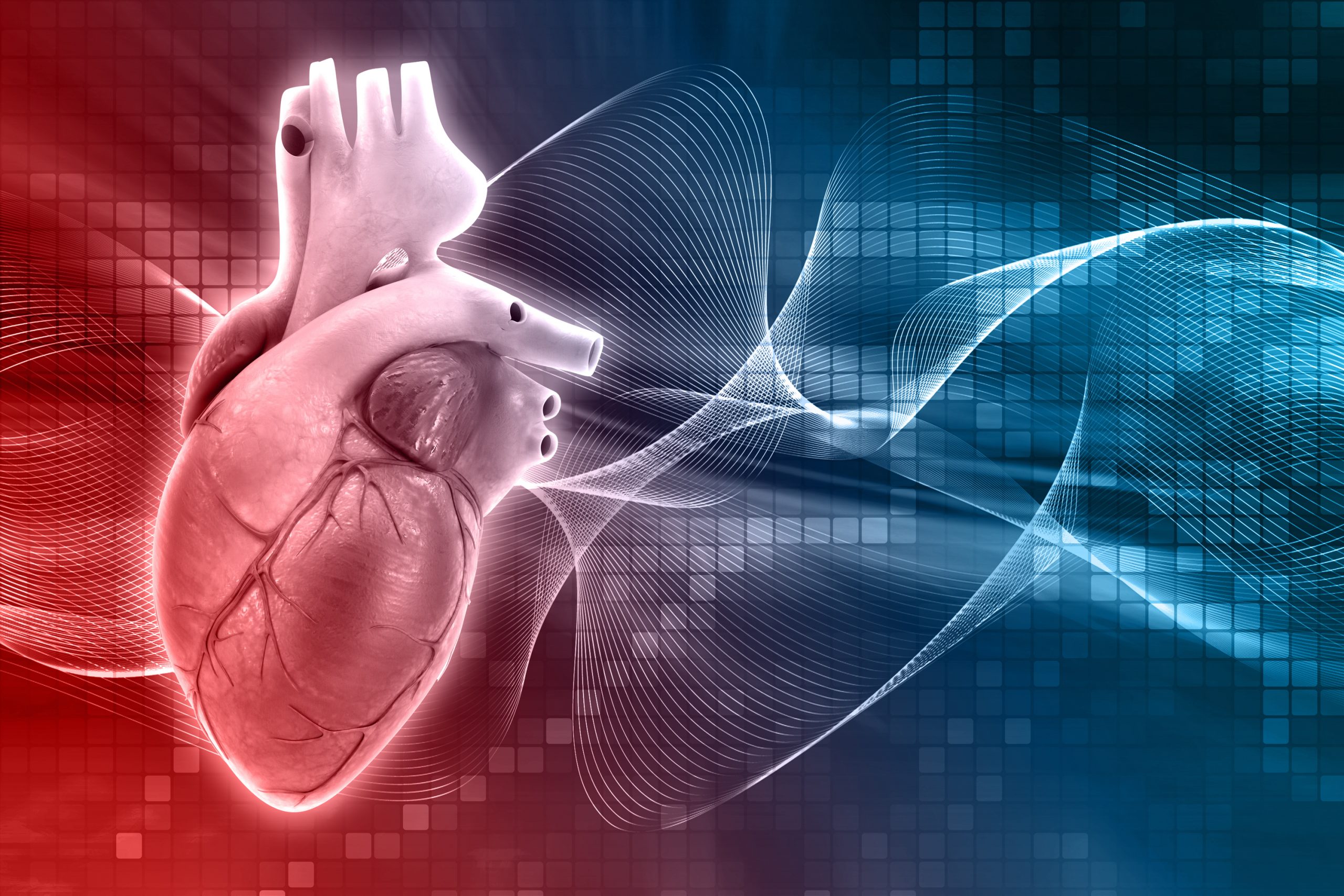
Image by Kjpargeter on Freepik

Patients with atrial fibrillation (AFib) have palpitations, shortness of breath, and an elevated risk of stroke. Cardiologists increasingly utilise catheter ablation, which uses minor burns or freezing to break up the electrical signals inside the heart that are responsible for the erratic beats, to treat symptoms when medicine or other treatments are ineffective.
The strongest proof to date that the operation is safe and effective has been presented by researchers working under the direction of Main Line Health’s Peter Kowey, MD, one of the nation’s foremost authorities on the treatment of arrhythmia.
A recent study showing that the operation is beneficial for the majority of patients and has few adverse effects was published in the Journal of the American College of Cardiology, and Dr. Kowey is the article’s senior author.
Researchers from the Mayo Clinic, Cleveland Clinic, Yale University, Johns Hopkins, and other top institutions conducted the study. As a senior collaborator, Kowey was responsible for much of the process that produced the paper.
“I felt strongly it was a superior treatment option,” said Dr. Kowey, the William Wikoff Smith Chair in Cardiovascular Research at Lankenau Institute for Medical Research, part of Main Line Health. “But you can’t rely solely on personal experience. You need research. And the data from various clinical trials didn’t cover the majority of patients. We needed to create a comprehensive database to allow us to fully analyze the effectiveness and safety of the procedure.”
The American College of Cardiology created the National Cardiovascular Data Registry of Atrial Fibrillation Ablation Procedures—the world’s largest database on ablation—to fill the knowledge gap. It contained information provided by hospitals on 76,000 patients from 2016 to 2020. From 1999 to 2016, Dr. Kowey served as the system chief for cardiovascular care at Main Line Health. He then chaired the combined electrophysiology committee.
Results from the first five years of the registry showed that 92.4% of patients received a successful course of treatment. Less than 1% of patients had serious issues, such as sluggish heart rate and cardiac failure, and only 2.5% of patients suffered any complications at all.
More than 5 million people in the United States and 34 million people globally suffer with the most prevalent type of arrhythmia, known as AFib. It has been linked to dementia, heart failure, and a lower quality of life in addition to stroke.

 Brain-Computer Interface Uses EEG in Unresponsive Patients
Key findings at a glance Mind-controlled.
 Gamma Oscillations Restored in Alzheimer’s Disease Mice
Key takeaways Researchers restored parvalbumin (PV).
 Coffee Consumption Linked to Lower Recurrent VTE Risk
Key points at a glance Study.
 Body Roundness Index Linked to Higher Heart Attack Risk
Key findings at a glance Study.
 Maternal Diet Fails to Reduce Infant Egg and Peanut Allergy
Key Points A large Australian randomized.
 Visual Impairment Linked to Higher Dementia Risk
Key findings at a glance A.
 Long-Acting HIV Treatment May Help Drug-Resistant Cases
Key Takeaways A UCSF study found.
 Night Shift Work Alters Key Circadian Gene Expression
A recent study published in Frontiers.
 Tirzepatide Weight Loss: Fat Mass and Muscle Findings
Key points Tirzepatide was associated with.
 Coffee and Gut Microbiome: Brewing and Metabolic Effects
Key Points Coffee contains caffeine, chlorogenic.
Leave a Comment