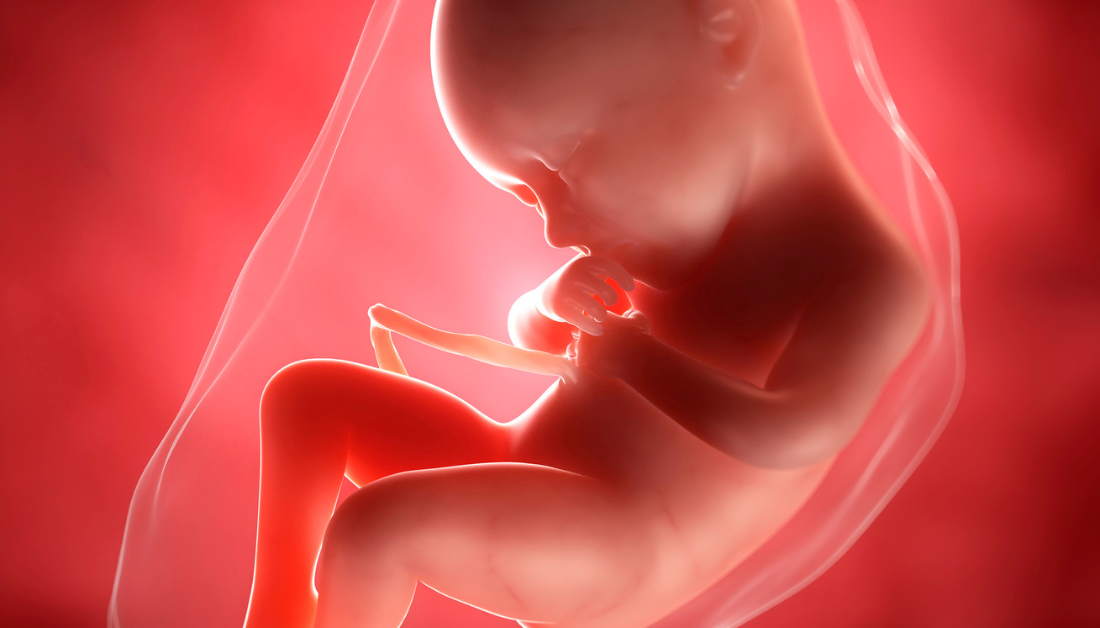
Study: Uncovering developmental time and tempo using deep learning

Animal embryos undergo a series of distinct developmental stages as they progress from a fertilized egg cell to a fully functional organism. This biological process is primarily controlled by genetics and follows a similar pattern across various animal species. However, there are variations in the specifics, both between different species and among embryos of the same species. For instance, the pace at which individual embryonic stages are completed can differ. These differences in embryonic development play a significant role in driving evolution, potentially leading to the emergence of new traits and thereby promoting evolutionary adaptations and biodiversity. Understanding the mechanisms of evolution greatly depends on studying the embryonic development of animals. To objectively and efficiently record differences in embryonic development, such as the timing of developmental stages, researchers at the University of Konstanz, led by systems biologist Patrick Müller, are developing and utilizing methods based on artificial intelligence (AI). In their recent article in Nature Methods, they outline a new approach that autonomously captures the pace of development processes and identifies characteristic stages without human intervention, standardizing the process across species boundaries.
Each embryo possesses unique characteristics
Our current understanding of animal embryogenesis and individual developmental stages stems from microscopic observations and detailed descriptions of embryos at various stages of development. Thanks to these meticulous efforts, reference books containing standardized depictions of individual embryonic stages are now available for numerous animal species.
However, embryos often do not look exactly the same under the microscope as they do in the schematic drawings. And the transitions between individual stages are not abrupt, but more gradual.”
Patrick Müller, systems biologist

 Gamma Oscillations Restored in Alzheimer’s Disease Mice
Key takeaways Researchers restored parvalbumin (PV).
 Coffee Consumption Linked to Lower Recurrent VTE Risk
Key points at a glance Study.
 Body Roundness Index Linked to Higher Heart Attack Risk
Key findings at a glance Study.
 Maternal Diet Fails to Reduce Infant Egg and Peanut Allergy
Key Points A large Australian randomized.
 Visual Impairment Linked to Higher Dementia Risk
Key findings at a glance A.
 Long-Acting HIV Treatment May Help Drug-Resistant Cases
Key Takeaways A UCSF study found.
 Night Shift Work Alters Key Circadian Gene Expression
A recent study published in Frontiers.
 Tirzepatide Weight Loss: Fat Mass and Muscle Findings
Key points Tirzepatide was associated with.
 Coffee and Gut Microbiome: Brewing and Metabolic Effects
Key Points Coffee contains caffeine, chlorogenic.
 Low-Dose Radiation Therapy Shows Promise in Early Knee OA
Key Points Low-dose radiation therapy was.
Leave a Comment