
Image by mrsiraphol on Freepik

The effects of air pollution on the risk of atrial fibrillation (AF) have been linked in research led by China’s Huazhong University of Science and Technology. In a report published in PNAS titled “Air pollution, genetic susceptibility, and the risk of atrial fibrillation: A large prospective cohort study,” the team discovers that long-term exposure to air pollutants raises the risk of AF, especially among persons with high genetic susceptibility.
Air pollution has long been linked to cardiovascular disease. Recent research has connected short-term exposure to these contaminants to acute AF exacerbations. Twin studies imply that genetic predisposition plays a significant role in the risk of AF, however these risk factors account for only around half of all AF cases.
The current study focuses on the cumulative damage caused by long-term exposure to these pollutants, revealing a link between increased concentrations of particulate matter with aerodynamic diameters smaller than 2.5 m (PM2.5), particulate matter with aerodynamic diameters larger than 10 m (PM10), nitrogen dioxide (NO2), and nitrogen oxide and the underlying genetic risk of AF.
Despite the visual haze caused by smoke, dust, or car emissions, particle pollution is made up of microscopic non-visible components less than 10 m in size that can pass deep into the lungs. The typical width of human hair is approximately 70 m.
Depending on the source, the particles can be hundreds of different substances. Direct emissions from agricultural, automobile, industrial, fire, and construction sites will reflect what is produced by those sources. More environmentally complex sources, such as those produced by power plants, heavy industries, and automobiles, can undergo interactions in the atmosphere, producing compounds such as sulfur dioxide and nitrogen oxides.
The UK Biobank, a study cohort of over 500,000 adults aged 37 to 73 from across the United Kingdom, was utilized to develop a polygenic risk score that combines numerous genetic variations associated with AF. Those with a medium or high genetic risk had an increased chance of AF, as expected.
When genetic vulnerability was combined with high levels of air pollution, people exposed to high levels of air pollution with high genetic risk had a 149-182% higher incidence of AF than individuals with low genetic risk factors.
The study also discovered a significant additive risk interaction between PM10 and NO2 and genetic risk, with the combined impacts of these pollutants and genetic predisposition accounting for around 16.4-35.1% of instances.
The combined impacts of air pollutants and genetic risk demonstrated a dose-response relationship, such that exposure to high levels of air pollutants combined with a high genetic risk resulted in a high risk of AF.

 Brain-Computer Interface Uses EEG in Unresponsive Patients
Key findings at a glance Mind-controlled.
 Gamma Oscillations Restored in Alzheimer’s Disease Mice
Key takeaways Researchers restored parvalbumin (PV).
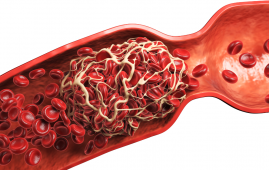 Coffee Consumption Linked to Lower Recurrent VTE Risk
Key points at a glance Study.
 Body Roundness Index Linked to Higher Heart Attack Risk
Key findings at a glance Study.
 Maternal Diet Fails to Reduce Infant Egg and Peanut Allergy
Key Points A large Australian randomized.
 Visual Impairment Linked to Higher Dementia Risk
Key findings at a glance A.
 Long-Acting HIV Treatment May Help Drug-Resistant Cases
Key Takeaways A UCSF study found.
 Night Shift Work Alters Key Circadian Gene Expression
A recent study published in Frontiers.
 Tirzepatide Weight Loss: Fat Mass and Muscle Findings
Key points Tirzepatide was associated with.
 Coffee and Gut Microbiome: Brewing and Metabolic Effects
Key Points Coffee contains caffeine, chlorogenic.
Leave a Comment