
Image by rawpixel.com on Freepik

Alternative gene splicing, which occurs during gene expression, has been revealed by researchers at Indiana University School of Medicine to influence a person’s risk of alcohol use disorder (AUD). Their findings were just published in the journal Molecular Psychiatry.
“AUD is a common and complex genetic disorder that happens people experience problems related to alcohol use disorder,” said Rudong Li, Ph.D., a postdoctoral fellow in the YunLong Liu, Ph.D. Laboratory and lead author of the paper. “This discovery has revealed a novel perspective about AUD and opens up new possibilities for finding new therapeutics.”
Alternative splicing of RNA regulates the transfer of genetic information from DNA to gene expression and has been linked to a variety of complicated diseases, particularly neurological or brain problems. The researchers used statistical genetics to identify exons on the genes that are skipped and may contribute to AUD risk. They discovered 27 exon skipping events that affect AUD risk using laboratory models.
“This is the first time that we’ve seen how the exon inclusion on specific genes can potentially lead to addiction,” said Yunlong Liu, Ph.D., director of the Center for Computational Biology and Bioinformatics and senior author of the study. We used novel computational methods for understanding the roles of alternative splicing in complex disease by innovatively combining transcriptomics data from post-mortem brain tissues with genome-wide association studies (GWAS) data on disease traits.
Future study, according to Li, should focus on the unique genes or regions of special interest in the genes to better understand molecular pathways in complex diseases such as AUD and other substance use disorders and potentially develop new therapies.
“This discovery could change people’s understanding of AUD and the science behind it,” said Li.

 Gamma Oscillations Restored in Alzheimer’s Disease Mice
Key takeaways Researchers restored parvalbumin (PV).
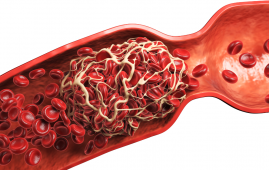 Coffee Consumption Linked to Lower Recurrent VTE Risk
Key points at a glance Study.
 Body Roundness Index Linked to Higher Heart Attack Risk
Key findings at a glance Study.
 Maternal Diet Fails to Reduce Infant Egg and Peanut Allergy
Key Points A large Australian randomized.
 Visual Impairment Linked to Higher Dementia Risk
Key findings at a glance A.
 Long-Acting HIV Treatment May Help Drug-Resistant Cases
Key Takeaways A UCSF study found.
 Night Shift Work Alters Key Circadian Gene Expression
A recent study published in Frontiers.
 Tirzepatide Weight Loss: Fat Mass and Muscle Findings
Key points Tirzepatide was associated with.
 Coffee and Gut Microbiome: Brewing and Metabolic Effects
Key Points Coffee contains caffeine, chlorogenic.
 Low-Dose Radiation Therapy Shows Promise in Early Knee OA
Key Points Low-dose radiation therapy was.
Leave a Comment