
Anemia in China: Geographic and Metabolic Factors in Women

A recent population-based study conducted in China sheds light on the prevalence and risk factors of anemia among women of reproductive age, offering important insights for future health interventions. Anemia, particularly caused by iron deficiency, remains a major public health concern worldwide, affecting over 571 million women. The study, which analyzed data from the Meinian Healthcare Group system between 2019 and 2021, aimed to estimate anemia prevalence, investigate geographic variations, and explore the association between anemia and metabolic factors such as overweight and obesity.
The study focused on non-pregnant women aged 18-49, defining anemia as a hemoglobin concentration <120.0 g/L. It categorized anemia into mild, moderate, and severe, with moderate and severe cases combined into moderate and worse anemia. The study revealed that the overall prevalence of anemia in China is 15.8%, with 41.5% of cases classified as moderate and worse. Anemia was more common among older women, particularly those aged 40-44 years, and geographic disparities were noted, with the highest prevalence found in Xizang and the lowest in Guizhou.
The research also identified a positive association between anemia and impaired kidney function and a history of cesarean delivery. Interestingly, while overweight and obesity were negatively associated with overall anemia, they were positively correlated with moderate and worse anemia. This suggests that metabolic factors play a significant role in anemia prevalence, underlining the importance of addressing both anemia and metabolic disorders in comprehensive health strategies.
Despite limitations, such as focusing on urban areas and a lack of clinical records to identify anemia subtypes, the study provides essential data on the scope of anemia among women of reproductive age in China. It emphasizes the need for targeted intervention strategies that consider geographic and metabolic factors to reduce anemia’s burden. Join HerHealth Oncology Congress to get the latest information and healthcare guidelines for better patient outcomes.
More Information: Bao, H., et al. (2024). Prevalence of anemia of varying severity, geographic variations, and association with metabolic factors among women of reproductive age in China: a nationwide, population-based study. Frontiers of Medicine. doi.org/10.1007/s11684-024-1070-x.

 Gamma Oscillations Restored in Alzheimer’s Disease Mice
Key takeaways Researchers restored parvalbumin (PV).
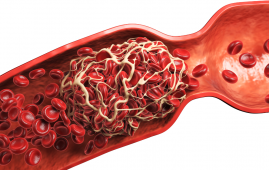 Coffee Consumption Linked to Lower Recurrent VTE Risk
Key points at a glance Study.
 Long-Acting HIV Treatment May Help Drug-Resistant Cases
Key Takeaways A UCSF study found.
 Tirzepatide Weight Loss: Fat Mass and Muscle Findings
Key points Tirzepatide was associated with.
 Coffee and Gut Microbiome: Brewing and Metabolic Effects
Key Points Coffee contains caffeine, chlorogenic.
 Low-Dose Radiation Therapy Shows Promise in Early Knee OA
Key Points Low-dose radiation therapy was.
 GLP-1 Health Information: Quality, Completeness, & Engagement
Key Points A study assessed 128.
 DNA Damage Response May Drive Biological Aging
Key Points Chronic DNA damage response.
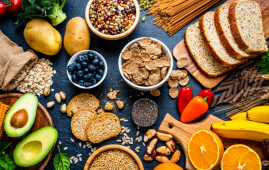 Dietary Polyphenol Intake Associated With Lower MCI Odds
Key Points Older adults without mild.
 Psychedelic-Assisted Psychotherapy: Music in Treatment
Key Takeaways Psychedelic-assisted psychotherapy combines psychedelic.
Leave a Comment