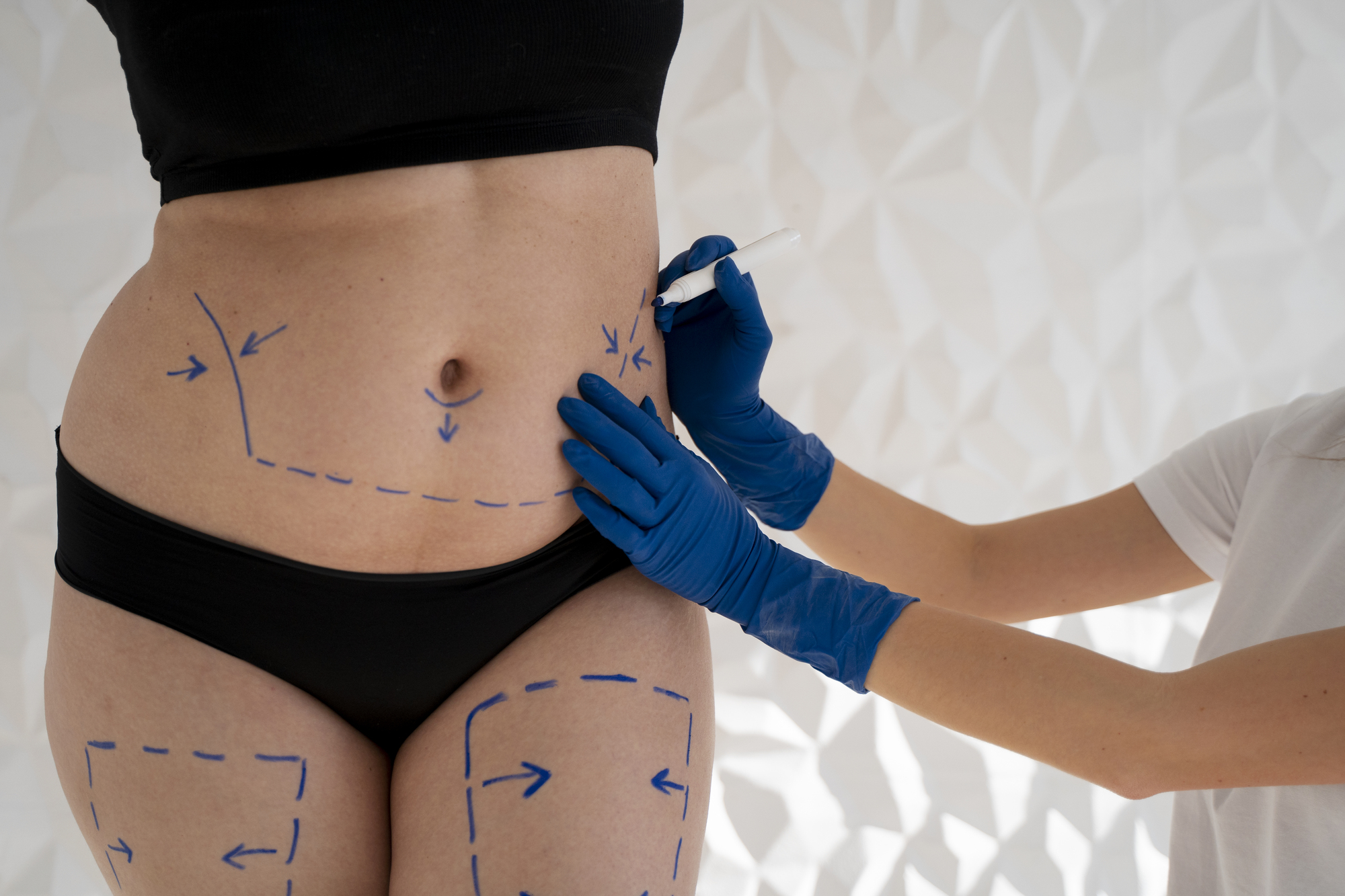
Image by Freepik

According to a Michigan Medicine study, bariatric surgery may help more than 100 million obese Americans overcome diabetes-related issues, including the regeneration of damaged nerves.
Over 120 individuals who underwent bariatric surgery for obesity were monitored by a study team under the direction of the University of Michigan Health Department of Neurology for more than two years after the treatment. According to findings reported in Diabetologia, all metabolic risk factors for developing diabetes, such as excessive glucose and lipid levels, improved apart from blood pressure and total cholesterol.
Researchers discovered that patients with peripheral neuropathy, a disorder characterized by damage to the nerves that go from the spinal cord all the way to the hands and feet, exhibited improvements two years after having bariatric surgery. “Our findings suggest that bariatric surgery likely enables the regeneration of the peripheral nerves and, therefore, may be an effective treatment for millions of individuals with obesity who are at risk of developing diabetes and peripheral neuropathy,” said senior author Brian C. Callaghan, M.D., M.S., a neurologist at the University of Michigan Health and the Eva L. Feldman, M.D., Ph.D., Professor of Neurology at U-M Medical School.
Diabetes, which affects more than 30 million Americans, is the primary risk factor for peripheral neuropathy, with obesity coming in second.
By performing skin biopsies that reveal the number of nerve fibers in the thigh and leg, researchers evaluated two key indicators of peripheral neuropathy in obese people. The thigh’s nerve fiber density increased two years following bariatric surgery, whereas the leg’s nerve fiber density remained unchanged.
In comparison to earlier studies of medicinal weight reduction, bariatric surgery resulted in superior metabolic improvements and even bigger improvements in peripheral neuropathy when doctors help patients reach their weight loss goals.
“Given the natural history of peripheral neuropathy decline in patients with obesity, even stability in nerve fiber density may be considered a successful result,” said first author Evan Reynolds, Ph.D., lead statistician for the NeuroNetwork for Emerging Therapies at Michigan Medicine. “Therefore, our findings of stability of nerve fiber density in the leg and improvement in nerve fiber density at the thigh indicate that bariatric surgery may be a successful therapy to improve or reverse peripheral neuropathy for patients with long-term metabolic impairment.”
Presently, pain management strategies for peripheral neuropathy include topical analgesics, oral painkillers like gabapentin and sodium channel blockers, and non-medical approaches including exercise and cognitive behavioral therapy.

 Brain-Computer Interface Uses EEG in Unresponsive Patients
Key findings at a glance Mind-controlled.
 Gamma Oscillations Restored in Alzheimer’s Disease Mice
Key takeaways Researchers restored parvalbumin (PV).
 Coffee Consumption Linked to Lower Recurrent VTE Risk
Key points at a glance Study.
 Body Roundness Index Linked to Higher Heart Attack Risk
Key findings at a glance Study.
 Maternal Diet Fails to Reduce Infant Egg and Peanut Allergy
Key Points A large Australian randomized.
 Visual Impairment Linked to Higher Dementia Risk
Key findings at a glance A.
 Long-Acting HIV Treatment May Help Drug-Resistant Cases
Key Takeaways A UCSF study found.
 Night Shift Work Alters Key Circadian Gene Expression
A recent study published in Frontiers.
 Tirzepatide Weight Loss: Fat Mass and Muscle Findings
Key points Tirzepatide was associated with.
 Coffee and Gut Microbiome: Brewing and Metabolic Effects
Key Points Coffee contains caffeine, chlorogenic.
Leave a Comment