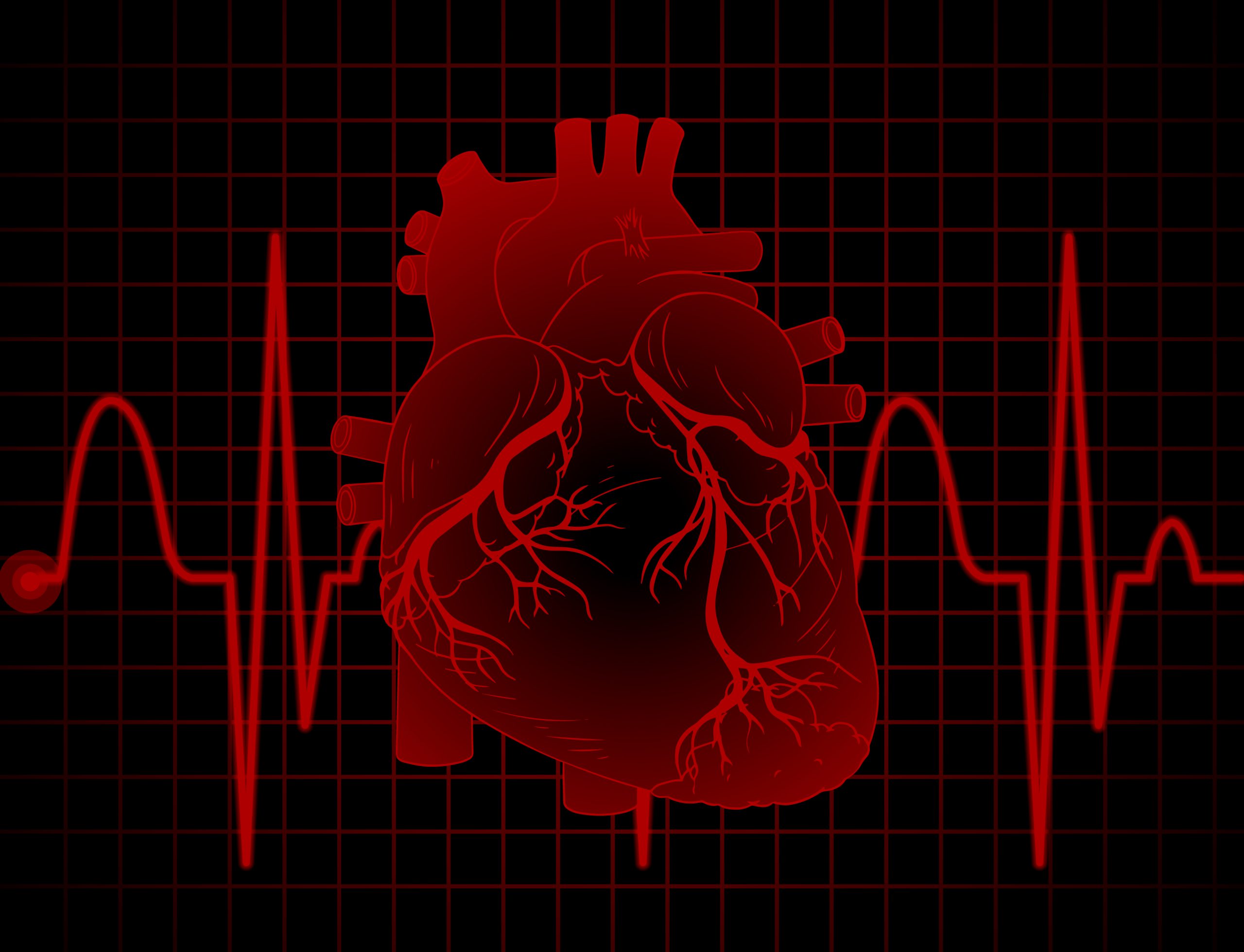
Image by brgfx on Freepik

A standard bone density test for osteoporosis can also reveal an elevated risk of a heart attack due to the presence of calcium in the aorta. However, deciphering these images requires expertise and can take time.
According to new study from a multi-institution cooperation, including Harvard Medical School and Hebrew SeniorLife, this calcification test score may be determined fast using machine learning, eliminating the need for a person to analyze the scans.
“This development paves the way for use in routine clinical settings with little or no time to generate the useful calcification score that predicts heart attacks,” said Douglas Kiel, HMS professor of medicine and director of the Musculoskeletal Research Center at Hebrew SeniorLife and an author on the paper.
Abdominal aortic calcification (AAC) assessment using bone density machine pictures is time-consuming and requires meticulous training. As a result, when these images are collected in clinical practice, AAC grading is not commonly conducted. The ML-AAC-24 machine-learning algorithms for AAC assessment were created, verified, and tested in a real-world scenario utilizing a registry study of 8,565 older men and women. Greater ML-AAC-24 scores were related with a significantly increased risk of cardiovascular disease and a worse long-term prognosis.
“During DXA scans obtained for bone-mineral density testing, vascular calcification of the aorta can be seen and quantified. This study developed a machine-learning algorithm to automatically determine the severity of the calcification that corresponds closely with the manual reading that is far more time-consuming to perform,” said co-first author Naeha Sharif of Edith Cowan University in Australia.

 Brain-Computer Interface Uses EEG in Unresponsive Patients
Key findings at a glance Mind-controlled.
 Gamma Oscillations Restored in Alzheimer’s Disease Mice
Key takeaways Researchers restored parvalbumin (PV).
 Coffee Consumption Linked to Lower Recurrent VTE Risk
Key points at a glance Study.
 Body Roundness Index Linked to Higher Heart Attack Risk
Key findings at a glance Study.
 Maternal Diet Fails to Reduce Infant Egg and Peanut Allergy
Key Points A large Australian randomized.
 Visual Impairment Linked to Higher Dementia Risk
Key findings at a glance A.
 Long-Acting HIV Treatment May Help Drug-Resistant Cases
Key Takeaways A UCSF study found.
 Night Shift Work Alters Key Circadian Gene Expression
A recent study published in Frontiers.
 Tirzepatide Weight Loss: Fat Mass and Muscle Findings
Key points Tirzepatide was associated with.
 Coffee and Gut Microbiome: Brewing and Metabolic Effects
Key Points Coffee contains caffeine, chlorogenic.
Leave a Comment