
Chronic Cannabis Use Tied to Painful Vomiting Disorder

A new study published in the Annals of Emergency Medicine highlights a serious and often overlooked consequence of daily cannabis use: cannabinoid hyperemesis syndrome (CHS). This condition, characterized by severe nausea, uncontrollable vomiting, and intense abdominal pain, is leading to an increasing number of emergency room visits and hospitalizations.
Researchers from George Washington University conducted one of the largest studies on CHS to date, analyzing data from 1,052 self-reported cases. Their findings suggest that CHS could be a hidden but significant public health burden as cannabis use increases.
“Many patients don’t realize their symptoms are cannabis-related,” says lead researcher Dr. Andrew Meltzer.
Survey results revealed:
Long-term use before CHS onset:
-44% of patients had used cannabis for over 5 years before symptoms began
Cannabis is widely known for its anti-nausea properties, especially for chemotherapy patients. However, in some individuals, long-term, frequent cannabis use triggers the opposite effect, leading to cyclical vomiting and pain. The exact cause remains unclear, but potential mechanisms include cannabinoid receptor desensitization and changes in gut motility.
Physicians must recognize CHS and educate patients on the risks. Many users are unaware that cannabis is causing their symptoms, leading to misdiagnosis and repeated ER visits.
“The only proven treatment for CHS is stopping cannabis use,” Meltzer explains.
As cannabis legalization and daily use increase, CHS may become a more frequent and costly public health issue. Future research is needed to understand why some users develop CHS while others do not, and to explore effective treatment options beyond cessation.
More Information: Cannabinoid Hyperemesis Syndrome is Associated with High Disease Burden: An Internet-based survey, Annals of Emergency Medicine (2025). DOI: 10.1016/j.annemergmed.2025.01.008

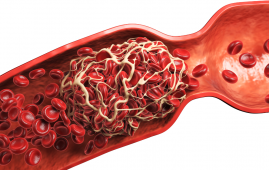 Coffee Consumption Linked to Lower Recurrent VTE Risk
Key points at a glance Study.
 Tirzepatide Weight Loss: Fat Mass and Muscle Findings
Key points Tirzepatide was associated with.
 Dietary Polyphenol Intake Associated With Lower MCI Odds
Key Points Older adults without mild.
 Smoking and Loneliness Linked in Large European Study
Key points: A Europe-wide study of.
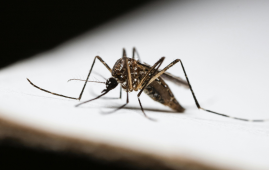 Malaria Vaccination Turns Mosquito Bites Into Immune Boosters
Key takeaways: WEHI researchers developed a.
 Lead Exposure in Indoors and Contamination in Soil
Key Points Lead contamination in soil.
 Drinking Water With Meals Linked to Higher Food Intake
Key Points Summary A new Appetite.
 Cyclosporiasis Risk: Who Faces the Highest Threat?
Key Summary Cyclosporiasis cases are increasing.
 EP2 Receptor Research Opens New Path for Healthy Aging
Key Points Researchers identified the EP2.
 Lifestyle Behaviors and Mood Linked in Daily Life Study
Key Points A 70-day diary study.
Leave a Comment